
Optimizing Modern Tram Systems: Urbos Tram Advancements
Revolutionize your tram system! Discover how advanced technologies like CBTC and Urbos Trams boost efficiency, safety, and passenger satisfaction.
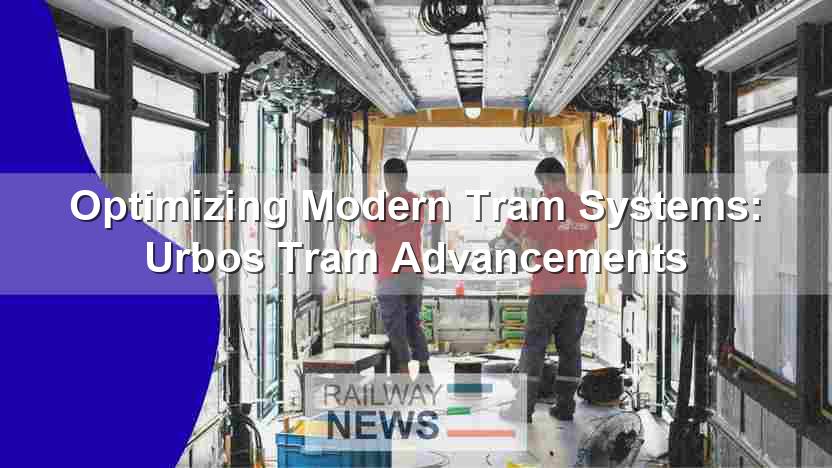
The rapid growth of urban populations necessitates efficient and sustainable public transportation solutions. Tram systems, with their capacity for high passenger throughput and integration with existing urban fabric, are experiencing a renaissance. This article explores the key aspects of optimizing modern tram networks, exploring technological advancements, infrastructure considerations, and operational strategies. We will examine how factors such as vehicle technology (including the popular Urbos Trams), network design, and passenger experience impact the overall effectiveness and sustainability of these crucial transit arteries. The discussion will extend beyond simple operational efficiency to encompass broader societal benefits, such as reduced congestion, improved air quality, and enhanced accessibility for all citizens. Understanding these interconnected elements is vital for creating truly optimized and future-proof tram systems that meet the challenges of a rapidly evolving urban landscape. This examination aims to provide valuable insights for urban planners, transport authorities, and rail industry professionals involved in the design, implementation, and operation of modern tram networks.
Technological Advancements in Tram Design and Operation
Modern tram systems benefit significantly from technological advancements. The introduction of lightweight yet robust materials has led to improved energy efficiency, while advanced braking systems enhance safety and reduce wear and tear on components. Additionally, the implementation of sophisticated signaling and control systems, often employing Communication-Based Train Control (CBTC) technology, allows for increased capacity and reduced headway (the time interval between successive trains). This contributes to a more efficient and reliable service. The integration of intelligent transportation systems (ITS) further enhances operational efficiency through real-time monitoring, predictive maintenance, and optimized traffic management. The use of Automatic Train Operation (ATO) and Automatic Train Protection (ATP) systems enhances safety and operational flexibility. This sophisticated technology allows for autonomous operation in certain sections, further improving efficiency and reducing operational costs.
Infrastructure Development and Network Planning
Effective network planning is paramount to the success of any tram system. Careful consideration must be given to route selection, station placement, and integration with other modes of transport. The design of dedicated right-of-way (ROW) is crucial for maximizing speed and reliability, minimizing delays caused by conflicting traffic. Additionally, the integration of modern infrastructure, such as overhead line systems and substations, is essential for ensuring consistent and reliable power supply. Careful consideration must be given to the aesthetics of the infrastructure, minimizing disruption to the urban environment and enhancing the overall appeal of the tram system. The selection of appropriate track gauge and the type of track itself are also critical for optimizing operational efficiency and minimizing maintenance requirements.
Enhancing the Passenger Experience
A positive passenger experience is crucial for attracting and retaining ridership. This includes providing comfortable and accessible vehicles, clear and informative signage, and efficient ticketing systems. Real-time information displays, both on board and at stations, are essential for keeping passengers informed about delays and service disruptions. Improved accessibility features, including ramps, level boarding, and dedicated spaces for wheelchairs and strollers, are vital for ensuring inclusivity. Additionally, the integration of Wi-Fi and other connectivity services can enhance the overall travel experience, making commutes more productive and enjoyable. Security measures, such as CCTV cameras and emergency communication systems, are also essential for creating a safe and secure environment for passengers.
Sustainability and Environmental Impact
Modern tram systems are increasingly recognized for their positive environmental impact. Electric trams, powered by renewable energy sources, produce zero tailpipe emissions, contributing to improved air quality in urban areas. Additionally, the efficient use of energy and the potential for regenerative braking systems further reduce their carbon footprint. The use of sustainable materials in the construction of trams and infrastructure also minimizes environmental impact. By prioritizing sustainable design and operation, tram systems can contribute significantly to the overall sustainability goals of cities. The integration of smart energy management systems allows for optimized energy consumption and reduces the overall operating costs, making the system more environmentally and economically viable. This is especially true when considering advanced models such as Urbos Trams, known for their efficiency and environmental friendliness.
You might be interested in:
Last May 2019, we covered the amazing €386 million Jokeri Light Rail project, a collaborative success story in Finnish rail infrastructure. Click here to read – Jokeri Light Rail: Helsinki’s Collaborative Transit Success
Conclusion
Optimizing modern tram systems requires a holistic approach encompassing technological innovation, strategic infrastructure development, and a passenger-centric operational philosophy. This article has explored the interconnectedness of these elements, highlighting the importance of advancements in tram design, efficient network planning, enhanced passenger experience, and sustainable practices. The adoption of cutting-edge technologies such as CBTC (Communication-Based Train Control), ATO (Automatic Train Operation), and ATP (Automatic Train Protection) systems significantly improves operational efficiency, safety, and reliability. Additionally, the strategic design of dedicated ROW (right-of-way) and integration with other transport modes are crucial for maximizing the effectiveness of the network. Creating a positive passenger experience, through features such as comfortable vehicles, real-time information systems, and enhanced accessibility, is paramount for attracting and retaining ridership. Finally, the commitment to sustainability, through the use of renewable energy sources and environmentally friendly materials, further solidifies the long-term viability and positive societal impact of modern tram systems. By embracing these multifaceted strategies, cities can harness the full potential of tram systems to create efficient, sustainable, and truly passenger-focused urban transport solutions. The success stories of projects like the Jokeri Light Rail demonstrate the potential for collaborative efforts to deliver significant improvements in urban mobility. The adoption of modern tram technologies, including the energy-efficient features of Urbos Trams, will be essential in developing successful future tram projects, ultimately improving the quality of life for urban dwellers. The future of urban transport hinges on the ability to seamlessly integrate innovative technologies with effective planning and a commitment to sustainable practices. The continuous evolution and optimization of tram systems are vital to meeting the growing transportation needs of burgeoning urban centers worldwide.

Railway infrastructure, rolling stock and transport technologies specialist focused on global rail industry developments, high-speed rail systems, signaling technologies and freight transportation. Covering railway investments, public transport modernization, rail operations and international mobility projects across Europe, Asia and North America.
RELATED POSTS

October 8, 2026 1:15 pm
Alstom secured a €1bn contract to build 13 automated trains,...

October 1, 2026 7:09 am
United States regulators confirmed a September 30 deadline for the...

October 8, 2026 12:18 pm
Siemens Mobility signed an agreement with VinSpeed to supply 350...

October 4, 2026 5:14 pm
Alstom secured a CA$4.7 billion order from VIA Rail Canada...

October 5, 2026 6:12 pm
AECOM and Jacobs secured a contract in September 2026 to...

October 1, 2026 12:13 am
Illinois approved $1.5 billion annually for the Northern Illinois Transit...