
Optimizing Global Rail: Systems, Predictive Maintenance, Networks
Optimize railway performance today. Learn how integrated systems, like ETCS and predictive maintenance, are revolutionizing modern networks. Discover how!
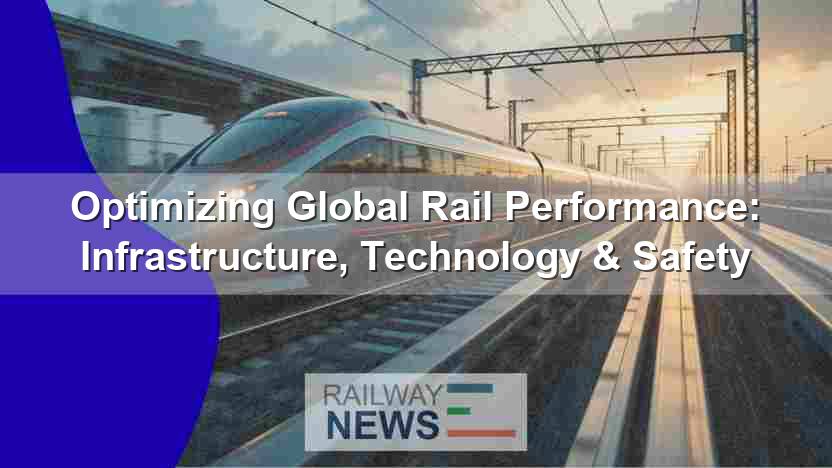
The global railway industry is undergoing a period of significant transformation, driven by technological advancements, increasing passenger and freight demand, and the need for enhanced safety and efficiency. This article explores the key factors influencing railway performance, examining the crucial interplay between infrastructure, rolling stock, signaling systems, and operational procedures. We will analyze the challenges and opportunities presented by these elements, and explore the strategic measures to improve overall efficiency and safety within modern railway networks. The increasing importance of integrated systems, such as advanced signaling and communication technologies, will be explored, alongside the imperative to optimize the operational strategies employed in different regions. The adoption of innovative technologies, like AI-powered predictive maintenance and real-time traffic management systems, promises to revolutionize railway operations, and this article will assess their potential impact.
Infrastructure Optimization and its Impact
Railway infrastructure plays a pivotal role in determining the overall performance of a system. Efficient track maintenance, including timely repairs and upgrades, directly affects train speeds and reliability. Proper ballast management, drainage systems, and the use of advanced track monitoring technologies can significantly minimize delays and disruptions, contributing to a smoother and safer passenger experience. Investments in new lines and upgrades to existing routes, especially in densely populated areas, are critical to accommodating increasing demand and improving journey times. The alignment of tracks and their maintenance directly impact train stability and operational speeds.
Rolling Stock Innovations and Performance Enhancement
The advancement of rolling stock is crucial in enhancing railway performance. Modern trains are increasingly equipped with advanced features like high-speed capabilities, enhanced passenger comfort, and efficient energy consumption. The optimization of train designs, including aerodynamic shapes and lightweight materials, helps to improve energy efficiency and overall performance. Factors such as train weight, axle load, and overall design directly impact the ability of the infrastructure to support higher speeds and frequencies, a crucial element in addressing modern travel needs. The implementation of features like regenerative braking systems and intelligent power management also plays a vital role in this enhancement. Examples of modern train innovations include the Shinkansen (bullet train) and the Azuma train, high-speed lines and their rolling stock designs.
Signaling and Communication Systems: A Crucial Element
Advanced signaling systems are essential for ensuring safe and efficient train operations. Integrated communication systems for train control, maintenance, and passenger services contribute significantly to improved efficiency and safety. The modernization of communication systems, using technologies such as GSM-R (Global System for Mobile Communications-Railway) and advanced fiber optic networks, allows for real-time data exchange and enhances control over train movements, minimizing delays and maximizing safety margins. The adoption of European Train Control System (ETCS) standards and its integration across diverse railway networks enhances interoperability and improves operational efficiency. The transition from traditional signaling systems to modern ones is pivotal for long-term sustainability, especially given the increasing demands of high-speed and frequent service.
Operational Strategies and Procedures
Operational strategies significantly influence railway performance. Optimized scheduling and train frequency, based on demand and real-time data, play a vital role in minimizing delays and maximizing capacity utilization. The adoption of advanced dispatching and traffic management systems, incorporating real-time data from various sources, is instrumental in enhancing operational control and response to disruptions. Effective maintenance scheduling and predictive maintenance strategies reduce unplanned downtime and enhance the operational availability of trains and infrastructure. The use of data analytics to improve scheduling, route optimization, and preventative maintenance plans improves efficiency and reduces costs. Crew scheduling and optimization techniques ensure adequate staffing levels for optimal train operations without compromising safety.
Conclusions
This analysis highlights the complex interplay of factors affecting railway performance. From infrastructure optimization to rolling stock innovation, signaling systems, and operational strategies, each component plays a vital role in the overall effectiveness and safety of modern railway networks. The challenges presented by increasing passenger and freight demands, the need for enhanced safety protocols, and the integration of cutting-edge technologies underscore the importance of a holistic approach to railway management. Implementing advanced signaling systems, such as ETCS, allows for higher train speeds and frequencies, leading to increased efficiency. Additionally, the development of smart infrastructure and predictive maintenance strategies can minimize delays and maintenance costs. The Azuma train, for instance, embodies the culmination of these advancements. Its sophisticated engineering, coupled with precise operational protocols, exemplifies the potential of integrated systems to achieve optimal performance and efficiency. Ultimately, optimizing railway performance is not just about technological advancement; it is about integrating these advancements with effective operational strategies and a commitment to safety, leading to a smooth, reliable, and sustainable railway system.
You might be interested in:
Last April 2019, we covered a major upgrade to UK rail radios. Click here to read – Siemens Upgrades UK Rail Radios: £36M Safety Boost

Railway infrastructure, rolling stock and transport technologies specialist focused on global rail industry developments, high-speed rail systems, signaling technologies and freight transportation. Covering railway investments, public transport modernization, rail operations and international mobility projects across Europe, Asia and North America.
RELATED POSTS

October 8, 2026 1:15 pm
Alstom secured a €1bn contract to build 13 automated trains,...

October 1, 2026 7:09 am
United States regulators confirmed a September 30 deadline for the...

October 4, 2026 5:14 pm
Alstom secured a CA$4.7 billion order from VIA Rail Canada...

October 5, 2026 6:12 pm
AECOM and Jacobs secured a contract in September 2026 to...

October 1, 2026 12:13 am
Illinois approved $1.5 billion annually for the Northern Illinois Transit...

October 5, 2026 1:13 pm
New York MTA confirmed a late 2026 DEIS release for...