
Trimble GEDO IMS: Optimizing Global Rail Operations
Optimize your railway operations with integrated management systems. Trimble GEDO IMS delivers real-time data and predictive maintenance, boosting efficiency and safety. Discover how!
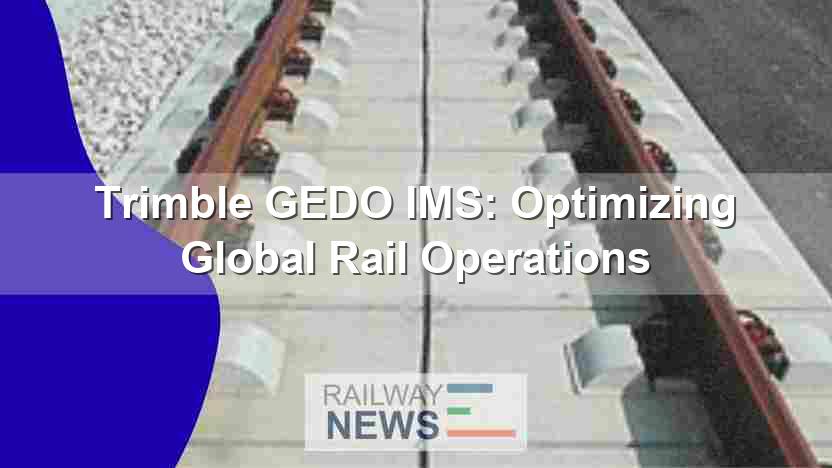
The modern railway industry is undergoing a significant transformation, driven by the need for greater efficiency, safety, and cost-effectiveness. This transformation is heavily reliant on integrated management systems (IMS) that connect various aspects of railway operations. From track maintenance and signaling to scheduling and passenger services, these systems offer a holistic view, enabling railways to optimize resource allocation, reduce operational costs, and enhance the overall passenger experience. This article will delve into the crucial role of integrated management systems in modern railway operations, exploring their capabilities, benefits, and the challenges associated with their implementation and integration.
The Importance of Real-time Data in Railway Operations
Real-time data is paramount to efficient railway operations. Accurate and up-to-the-second information regarding train locations, track conditions, signal status, and potential disruptions is essential for proactive decision-making. Integrated management systems are designed to gather and process this data, providing a detailed view of the entire network. This allows railway operators to optimize train schedules, reroute trains around obstacles, and ensure timely passenger arrival and departures. Timely information on asset maintenance needs is also vital to proactive asset management. A sophisticated system can analyze historical data and anticipated demands to predict maintenance needs and optimize schedules to minimize disruptions to rail traffic.
Enhanced Safety and Reliability through Predictive Maintenance
Safety and reliability are paramount in the railway industry. Integrated management systems play a crucial role in enhancing these aspects. By monitoring critical railway infrastructure components, such as tracks, signals, and rolling stock, these systems can predict potential failures and initiate timely maintenance interventions. This proactive approach minimizes the risk of unexpected disruptions and ensures the reliable operation of the railway network. Using sensor data and machine learning algorithms, the system can forecast potential issues and alert personnel in advance. This capability improves safety and reliability significantly by preventing costly and potentially dangerous equipment failures.
Streamlining Operations with the Trimble GEDO IMS System
The Trimble GEDO IMS System is a prime example of how advanced technology can revolutionize railway operations. This system integrates various data streams, including train location, track conditions, and signal status, providing a holistic view of the railway network. This allows for optimized scheduling, real-time adjustments to operational plans, and proactive identification of potential issues. Its ability to analyze historical data and anticipate future demands allows for predictive maintenance, preventing potential disruptions and ensuring the highest levels of safety and reliability. By centralizing data collection and analysis, the Trimble GEDO IMS System helps railway operators make informed decisions rapidly, improving efficiency and customer satisfaction. This detailed data collection and analysis feature is a crucial component of the system’s success.
Conclusion: The Future of Railway Management
To summarize, integrated management systems are transforming the railway industry, enabling unprecedented levels of efficiency, safety, and reliability. These systems provide a centralized platform for collecting, analyzing, and utilizing real-time data from various sources throughout the railway network. This detailed approach allows for proactive decision-making, optimized resource allocation, and a more seamless passenger experience. The ability to predict maintenance needs and respond to disruptions in real-time leads to a significant reduction in operational costs and potential disruptions. The future of railway management lies in the seamless integration of these sophisticated systems, allowing railways to leverage the full potential of technological advancements. The Trimble GEDO IMS System serves as a compelling example of this trend. By embracing these technologies, railways can not only enhance their operational efficiency but also position themselves to offer superior services and experience to their passengers and shippers. This translates into improved customer satisfaction and a more sustainable future for the industry. The need to constantly adapt to evolving passenger demands, emerging technologies, and environmental constraints underscores the importance of continuous innovation and investment in these advanced systems. As railway networks become more complex and integrated into broader transportation ecosystems, the adoption of robust IMS becomes critical for survival and growth in the industry. Ultimately, the long-term success of any railway system depends on its ability to adapt, innovate, and maintain a high level of responsiveness in the ever-changing landscape of transportation.
You might be interested in:
Last February 2019, we published an article about Tampa International Airport’s SkyConnect APM system upgrade. Click here to read – Tampa Airport Expands SkyConnect: APM System Upgrade

Railway infrastructure, rolling stock and transport technologies specialist focused on global rail industry developments, high-speed rail systems, signaling technologies and freight transportation. Covering railway investments, public transport modernization, rail operations and international mobility projects across Europe, Asia and North America.
RELATED POSTS
September 6, 2026 5:19 am
Hitachi delivered Taiwan's first N700ST high-speed train from Japan in...

September 5, 2026 4:19 pm
CPK launched formal tender talks with four consortia to design...

September 6, 2026 4:12 am
Alstom delivered the first of 100 new G Class trams...

September 5, 2026 7:14 pm
HS2 Ltd signed renegotiated civils contracts with EKFB and Align...
September 6, 2026 1:17 am
Hitachi Toshiba Supreme Consortium confirmed the first of 12 N700ST...
September 6, 2026 6:17 am
Hungary ordered a national ban on most freight trains from...