
ÖBB Stadler KISS: Austrian Double-Deck Train for Rail Capacity & Comfort
ÖBB unveils new double-deck train, boosting Vienna-Salzburg route capacity and comfort. Stadler’s KISS trainsets, starting late 2026, will enhance accessibility and sustainability.
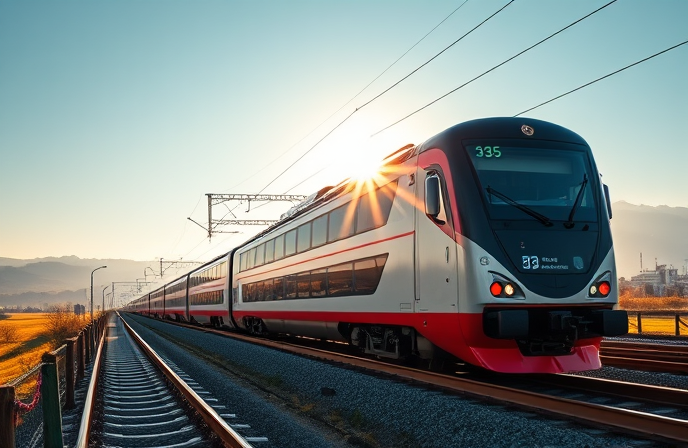
ÖBB and Stadler Unveil Next-Generation Double-Decker Train for Enhanced Long-Distance Travel
Austrian Federal Railways (ÖBB), in collaboration with Stadler, has officially introduced a new double-deck train poised to revolutionize long-distance travel. The unveiling, held in Vienna, showcased the new KISS trainsets, set to commence operations on the Vienna-Salzburg route from late 2026. This marks a significant step towards bolstering capacity, enhancing passenger comfort, and promoting sustainable mobility within Austria. The new trains, designed for speeds up to 200 km/h, will increase seating capacity by approximately 20%, representing a major upgrade for the busy Western main line. The unveiling featured ÖBB CEO Andreas Matthä, Stadler Chairman Peter Spuhler, and Austrian Federal Minister Peter Hanke, signifying the importance of this project. This article will delve into the key features and implications of this new rolling stock, exploring its impact on ÖBB’s modernization plans and the future of Austrian rail transport.
Capacity Boost and Enhanced Accessibility
A total of 14 six-car KISS trainsets have been ordered by ÖBB. Each train will accommodate 486 passengers, significantly increasing capacity on the Vienna-Salzburg route, a critical artery in Austria’s rail network. The design prioritizes accessibility, with low-floor entry areas and wide, barrier-free doors ensuring seamless boarding and alighting for passengers with reduced mobility, as well as facilitating easy access for those with bicycles, pushchairs, and luggage. This design addresses the increasing demand for accessible travel options and aligns with ÖBB’s commitment to inclusive public transport. This accessibility upgrade also simplifies the work of train attendants and offers improved passenger flow.
Passenger Comfort and Modern Amenities
The new KISS trainsets have been meticulously designed to meet modern passenger expectations for long-distance rail travel. Each train features designated quiet zones situated in the end cars, providing a sanctuary for passengers seeking a more tranquil journey. Family-friendly compartments located in the middle carriages cater to the needs of families travelling with children. Amenities extend to onboard catering, with vending machines offering snacks and drinks, and dedicated areas for bicycles. Passengers can also enjoy modern conveniences such as onboard Wi-Fi, real-time travel updates displayed on passenger information monitors, and fully air-conditioned interiors. Additionally, each train is equipped with eight restrooms, including an accessible toilet, enhancing the overall travel experience. Secure luggage racks and conveniently located USB charging ports and power sockets further contribute to a comfortable and connected journey.
Technological Advancements and Design Features
The KISS trains incorporate numerous design features to improve operational efficiency and enhance the passenger experience. The double-deck design itself, while offering increased capacity, also contributes to a more efficient use of existing infrastructure. The trains are engineered to adhere to the latest European Union (EU) safety standards. Additionally, the trains are equipped with advanced diagnostic systems to improve reliability and maintenance. The choice of the KISS design is due to its established performance history and reliability, ensuring smooth integration into ÖBB’s existing fleet. These new trains are designed to work efficiently alongside ÖBB’s existing Railjet rolling stock, supporting an improved network.
Sustainability and Strategic Significance
The introduction of the KISS double-deck trains is a crucial element of ÖBB’s broader modernization strategy, which is focused on increasing passenger capacity and comfort while simultaneously advancing the country’s sustainability and mobility goals. By increasing the capacity of the Vienna-Salzburg route, ÖBB aims to attract more travelers to rail, reducing reliance on private vehicles and contributing to a reduction in carbon emissions. This initiative highlights ÖBB’s ongoing commitment to environmental responsibility and supports the Austrian government’s commitment to reduce its environmental footprint through rail transportation. The phased deployment of the new trainsets will optimize service improvements and address passenger demands. The entire project is a key piece of Austria’s overall transport strategy.
Conclusion
The introduction of the new Stadler KISS double-deck trains by ÖBB marks a significant milestone in the evolution of Austrian long-distance rail travel. These trains, with their increased capacity, enhanced accessibility, and modern amenities, will dramatically improve the passenger experience on the busy Vienna-Salzburg route, and will enable ÖBB to meet the growing demand for rail transport. The incorporation of features such as quiet zones, family compartments, and onboard Wi-Fi caters to the diverse needs of modern travelers. Additionally, the focus on sustainability, evidenced by the increased capacity and the reduction of reliance on private vehicles, aligns with both ÖBB’s and the Austrian government’s commitment to environmental responsibility. The phased deployment of the KISS trains will allow ÖBB to gradually integrate the new rolling stock and optimize the travel experience for its passengers. The success of this venture could serve as a model for other railway operators across Europe, highlighting the benefits of investing in modern and passenger-focused rolling stock to boost capacity, convenience, and sustainability in the rail industry.
Company Summary
ÖBB (Austrian Federal Railways) is the national railway company of Austria, providing passenger and freight services across the country and internationally. ÖBB operates an extensive network, including both long-distance and regional rail services. They are focused on modernization, capacity upgrades, and sustainable transport solutions. Stadler is a Swiss manufacturer of railway rolling stock, known for its innovative designs and focus on passenger comfort and operational efficiency. Stadler produces a wide range of trains, including high-speed trains, regional trains, and trams, serving customers around the globe. They are a leading player in the global rail industry.

Railway infrastructure, rolling stock and transport technologies specialist focused on global rail industry developments, high-speed rail systems, signaling technologies and freight transportation. Covering railway investments, public transport modernization, rail operations and international mobility projects across Europe, Asia and North America.
RELATED POSTS

October 8, 2026 1:15 pm
Alstom secured a €1bn contract to build 13 automated trains,...

October 1, 2026 7:09 am
United States regulators confirmed a September 30 deadline for the...

October 4, 2026 5:14 pm
Alstom secured a CA$4.7 billion order from VIA Rail Canada...

October 1, 2026 12:13 am
Illinois approved $1.5 billion annually for the Northern Illinois Transit...
October 5, 2026 1:13 pm
New York MTA confirmed a late 2026 DEIS release for...
October 6, 2026 9:17 am
Illinois approved $1.1M in state funds to upgrade two McHenry...