
NZ Rail’s $935M Upgrade: Jobs, Green Transport
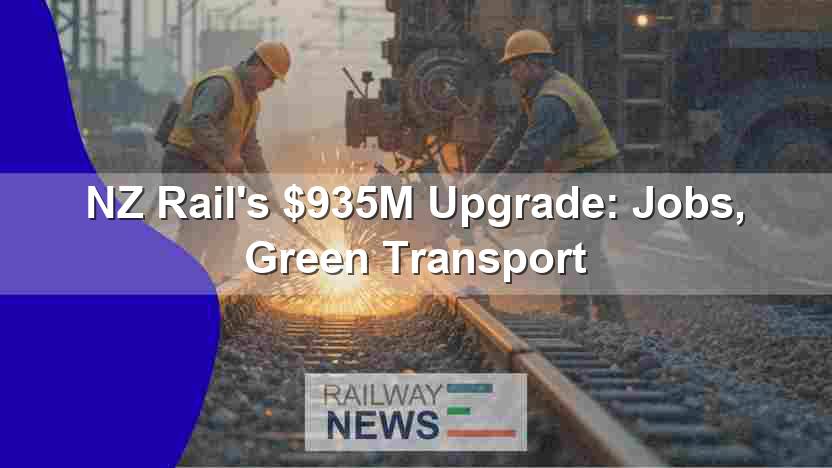
Revitalizing New Zealand’s Rail Network: A $935 Million Investment
New Zealand’s government has embarked on an ambitious plan to modernize and expand its national rail network, committing a substantial NZD 1.3 billion (approximately $935 million USD) to revitalize the rail industry. This significant investment, detailed in Budget 2021, aims to not only improve the efficiency and capacity of the rail system but also contribute significantly to the country’s economic recovery and environmental sustainability goals. The plan encompasses a multifaceted approach, focusing on rolling stock upgrades, infrastructure improvements, and the establishment of modernized rail workshops. This article will delve into the key components of this initiative, exploring its potential impact on job creation, environmental sustainability, and the overall future of rail transportation in New Zealand.
Rolling Stock Modernization and Manufacturing
A major portion of the investment, approximately $520 million (NZD 722.7 million), is earmarked for the acquisition and refurbishment of locomotives and wagons. This involves not only replacing aging rolling stock with modern, more efficient units but also a strategic shift towards domestic manufacturing. The establishment of upgraded domestic rail workshops at Hillside in Dunedin, supported by an investment of $61.17 million (NZD 85 million), will play a crucial role in this process. This facility will not only facilitate the assembly of approximately 1,500 wagons locally, reducing reliance on overseas suppliers but also create around 445 jobs in Dunedin and stimulate growth within the wider supply chain, impacting the civil engineering and construction sectors. This focus on local manufacturing fosters economic growth while contributing to national self-reliance in the rail sector.
Infrastructure Upgrades and Network Expansion
Significant investment, totaling $323 million (NZD 449.9 million), is dedicated to critical infrastructure upgrades. This includes essential track maintenance and improvements to supporting infrastructure. Beyond maintenance, the plan includes strategic expansion projects. Key initiatives include extending electrification from Papakura to Pukekohe, enhancing the future-proofing of Auckland’s City Rail Link (CRL), double-tracking the rail line between Trentham and Upper Hutt, and reopening the Wairoa to Napier line. The addition of 15 new electric trains to Auckland’s network and a third main line from Wiri to Quay Park will significantly enhance passenger transport capacity and efficiency. These projects aim to increase the overall capacity and efficiency of the rail network, enabling the transport of greater volumes of freight and passengers.
Asset Maintenance and Technological Advancements
The plan also allocates nearly $62.83 million (NZD 87.3 million) for the ongoing maintenance of KiwiRail’s existing assets. This includes essential upkeep for locomotives, wagons, ferries, and information technology (IT) systems. This proactive maintenance strategy is crucial for ensuring the reliability and longevity of the existing infrastructure, maximizing its operational lifespan, and minimizing costly emergency repairs. Investing in the upkeep of existing assets alongside the modernization of infrastructure highlights a detailed approach to long-term sustainability within the rail industry.
Environmental Considerations and Economic Benefits
The entire revitalization strategy emphasizes environmental sustainability. The shift to electric locomotives and the increased efficiency of freight transport by rail will significantly reduce carbon emissions. It is estimated that rail freight transport produces at least 70% fewer carbon emissions compared to heavy road freight. This aligns with New Zealand’s commitment to a low-carbon economy, showcasing the potential of rail as a sustainable mode of transportation. Additionally, the creation of numerous jobs throughout the supply chain, combined with the economic stimulus from infrastructure projects, will contribute significantly to New Zealand’s post-COVID-19 economic recovery. The project is not just an infrastructural upgrade, but a catalyst for economic growth and environmental responsibility.
Conclusion
New Zealand’s NZD 1.3 billion investment in its rail network represents a transformative commitment to modernizing its transport infrastructure and boosting its economy. This multifaceted plan, encompassing rolling stock upgrades, infrastructure improvements, and job creation, offers a compelling vision for a sustainable and efficient future. The strategic focus on local manufacturing, through the revitalization of the Hillside Workshops in Dunedin, not only reduces reliance on foreign suppliers but also creates significant employment opportunities within the country. The modernization and expansion of the rail network will significantly enhance freight and passenger transportation capacity, providing greater efficiency and reducing congestion. The emphasis on environmental sustainability, with a notable reduction in carbon emissions compared to road transport, underscores New Zealand’s dedication to a low-carbon future. The success of this initiative will depend on effective project management, strategic collaboration between government agencies and private sector partners, and a continued commitment to the long-term vision of a thriving and sustainable rail system. Ultimately, this substantial investment promises a significant return, enhancing New Zealand’s economic competitiveness while contributing to a greener and more efficient transportation landscape. The detailed breakdown of investment into rolling stock, infrastructure, and maintenance, alongside the strategic emphasis on domestic manufacturing and environmental benefits, showcases a well-considered and detailed plan for the long-term success of New Zealand’s rail industry.

Railway infrastructure, rolling stock and transport technologies specialist focused on global rail industry developments, high-speed rail systems, signaling technologies and freight transportation. Covering railway investments, public transport modernization, rail operations and international mobility projects across Europe, Asia and North America.
RELATED POSTS

October 8, 2026 1:15 pm
Alstom secured a €1bn contract to build 13 automated trains,...

October 1, 2026 7:09 am
United States regulators confirmed a September 30 deadline for the...

October 8, 2026 12:18 pm
Siemens Mobility signed an agreement with VinSpeed to supply 350...

October 4, 2026 5:14 pm
Alstom secured a CA$4.7 billion order from VIA Rail Canada...

October 5, 2026 6:12 pm
AECOM and Jacobs secured a contract in September 2026 to...

October 4, 2026 11:08 pm
Sound Transit confirmed the September 30 opening of Seattle Pinehurst...