
NTSB Confirms 14 Fatalities in US Rail Shoving Moves
NTSB confirmed 14 worker fatalities across 16 US rail shoving probes, urging freight operators to ban staff riding on cars as of September 21, 2026.
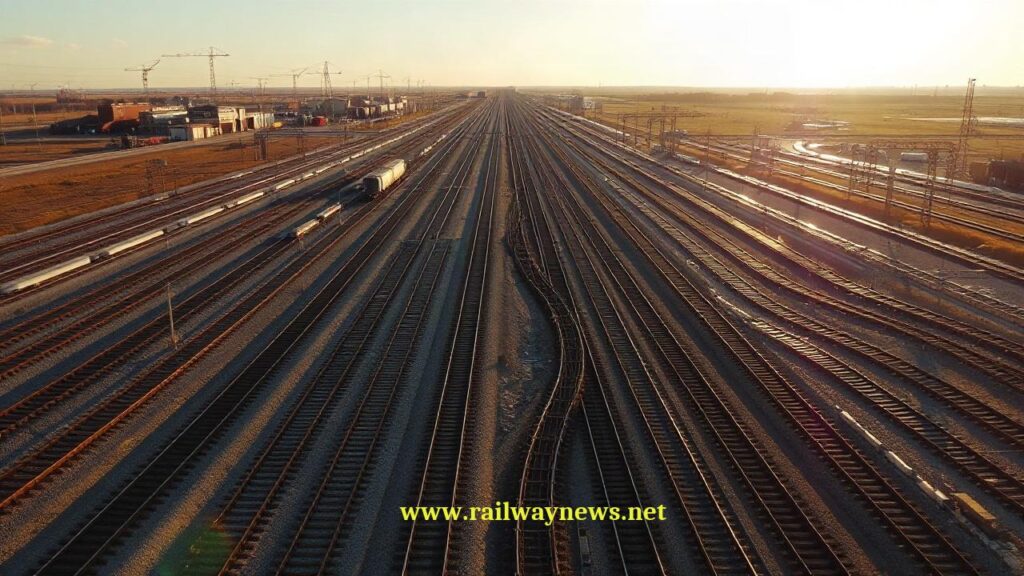
⚡ In Brief: The US National Transportation Safety Board issued urgent safety recommendations on September 21, 2026, advising railroads to eliminate riding on lead railcars during shoving moves after 16 investigations revealed 14 worker fatalities.
WASHINGTON, UNITED STATES – The National Transportation Safety Board (NTSB) issued safety recommendations on September 21, 2026, directing freight railroads to eliminate the practice of workers riding equipment during shoving movements. Federal investigators identified 14 deaths and two serious injuries across 16 formal investigations into shoving operations between October 2020 and mid-2026. The safety board has also opened two additional fatal incident investigations involving shoved equipment since August 2026.
What Does This Regulation Cover?
The NTSB safety advisory establishes operational requirements for point protection during freight train shoving maneuvers to prevent rail yard fatalities. Railroad operators are urged to conduct and formally record site-specific hazard assessments prior to commencing switching moves, rather than placing personnel directly on the stirrup steps or platforms of leading railcars. These safety assessments require operators to evaluate sightlines, highway-rail grade crossings, and track infrastructure conditions during mandatory pre-job crew briefings. The board also recommended deploying ground-based positioning methods, remote surveillance cameras, or wayside telemetry as primary alternatives to physical car-riding point protection. The financial cost of outfitting Class I yards with alternate point-protection infrastructure was not disclosed by federal regulators.
Key Regulatory Data
| Parameter | Value |
|---|---|
| Regulation / Policy Name | NTSB Shoving Movement Worker Protection Recommendations |
| Total Value | Not disclosed |
| Parties Involved | National Transportation Safety Board (NTSB), US Class I and Shortline Railroads, Federal Railroad Administration (FRA) |
| Timeline / Completion | Recommendations issued September 21, 2026; FRA rulemaking timeline not disclosed |
| Country / Corridor | United States / National Rail Network |
How Does This Compare to Global Standards?
North American switching rules differ markedly from European yard operations, where leading railcar riding without direct cab controls is strictly barred under standard shunting safety frameworks. While North American Class I operators have historically allowed ground conductors to control movements via handheld two-way radios while clinging to ladders, European networks mandate ground-level escorting, radio remote control locomotives (RCL), or automated derailment detector systems (Source: Global Railway Review, 2025). Operational pressures on US yard crews intensified following contentious labor contract talks between 2024 and 2025 at Norfolk Southern, BNSF, and CSX, where work rule disputes led to multi-year consolidation agreements designed to update shift practices through 2034. Meanwhile, cross-border data shows Canadian rail operators achieved lower fatal yard casualty rates while increasing private network investment through systematic pre-movement digital verification tools (Source: Railway Association of Canada, 2025).
Editor’s Analysis
The NTSB advisory places heavy regulatory pressure on the Federal Railroad Administration to turn non-binding switching guidance into mandatory federal rail safety rules. Eliminating the riding of exterior car equipment directly impacts Class I operational velocity, forcing carriers to invest in yard track circuits, automated optical sensors, or ground-level work protocols. With global railway system investment expanding from USD 31.1 billion in 2025 toward USD 50.0 billion by 2036, US operators will likely deploy trackside digital monitoring rather than adding yard switching personnel (Source: Future Market Insights, 2025).
FAQ
Q: Why did the NTSB recommend ending worker riding on railcars during shoving moves?
A: Federal investigators documented 14 worker fatalities and two serious injuries across 16 shoving accidents between October 2020 and 2026. Workers positioned on leading cars face severe risks of derailment pinning, grade-crossing impacts with motor vehicles, and equipment falls.
Q: What specific alternatives did the safety board propose for train yard point protection?
A: The NTSB called for documented site-specific hazard reviews, mandatory pre-job safety briefings, and ground-based escorting or trackside technological monitoring. Detailed technical equipment specifications for replacement optical systems were not disclosed in the board’s release.
Q: Are US freight railroads legally forced to ban car riding immediately?
A: The NTSB issues formal safety recommendations but holds no statutory regulatory enforcement power over carriers. Legal mandates require formal rulemaking by the Federal Railroad Administration, which has not officially confirmed an implementation date.

Railway infrastructure, rolling stock and transport technologies specialist focused on global rail industry developments, high-speed rail systems, signaling technologies and freight transportation. Covering railway investments, public transport modernization, rail operations and international mobility projects across Europe, Asia and North America.
RELATED POSTS

October 1, 2026 7:09 am
United States regulators confirmed a September 30 deadline for the...

October 1, 2026 12:13 am
Illinois approved $1.5 billion annually for the Northern Illinois Transit...

October 4, 2026 5:14 pm
Alstom secured a CA$4.7 billion order from VIA Rail Canada...

October 6, 2026 2:14 am
Union Pacific launched export rail shipments with Ferromex to deliver...

October 1, 2026 6:10 am
Amtrak approved a System Expansion Committee on July 30 to...
October 1, 2026 3:12 am
Greenbrier confirmed Brian Comstock as new president and CEO effective...