
Nexus Awards Sella Controls Tyne Wear SCADA System Upgrade
Nexus awarded Sella Controls the SCADA system upgrade for its 1990s-era network on the Tyne and Wear Metro.
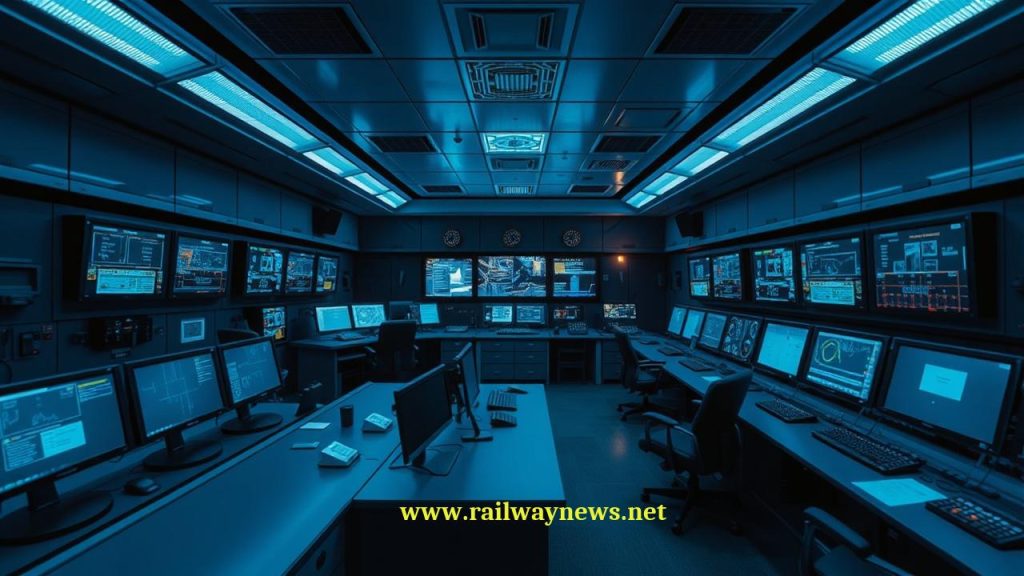
⚡ In Brief: UK Metro operator Nexus is upgrading its 1990s-era SCADA system to a modern digital standard, managed by contractor Sella Controls, to improve remote management of power, alarms, and other key assets across its network.
TYNE AND WEAR, UK – Metro operator Nexus has contracted Sella Controls to replace its mid-1990s Supervisory Control and Data Acquisition (SCADA) system. The upgrade will digitize the control of critical assets including power supplies, lighting, and escalators. The work will necessitate several planned system-wide closures around upcoming bank holidays to facilitate the switchover.
What Are the Technical Specifications?
The new system will replace the existing SCADA infrastructure to provide remote monitoring and control of high and low voltage power supplies, fire and intruder alarms, lighting, lifts, escalators, and tunnel drainage pumps. The solution will utilize modern SCADA software and Remote Terminal Units (RTUs) that are already standard on the UK mainline rail network. The total value of the contract was not disclosed.
Key Technical Data
| Parameter | Value |
|---|---|
| Technology / System Name | Supervisory Control and Data Acquisition (SCADA) System Upgrade |
| Total Value | Not disclosed |
| Parties Involved | Nexus (operator), Sella Controls (contractor) |
| Timeline / Completion | Work requires closures on specific dates around May bank holidays. Full completion date not specified. |
| Country / Corridor | UK / Tyne and Wear Metro |
Where Does This Technology Stand in the Market?
This project is the most significant upgrade to the Metro’s control room since the installation of a £12m computerised signalling control system in 2018. While the SCADA technology from Sella Controls is established on the UK mainline, it competes with systems from major international suppliers. Siemens’ Sitras SCADA, for example, is widely deployed globally and offers integrated power control and traction power management, often as part of a larger operational control suite (Source: Siemens Mobility). Similarly, Hitachi Rail’s Tranista SCADA provides real-time monitoring and is designed for integration with its broader signalling and traffic management platforms (Source: Hitachi Rail).
Editor’s Analysis
This SCADA upgrade aligns with a broader UK trend of digitising legacy rail infrastructure to improve reliability and operational efficiency. While the project proceeds, the wider UK construction sector remains weak, with recent data showing a subdued planning environment and curtailed business confidence (Source: Glenigan, March 2026). This contrast highlights how targeted, critical infrastructure renewals in regulated sectors like rail can advance despite broader market headwinds.
FAQ
Q: Why is the Metro being shut down for this work?
A: System-wide closures are required during early morning and late evening periods to allow engineers to safely switch over from the old SCADA system to the new one. Nexus has scheduled this work around bank holidays to minimise disruption to peak travel times.
Q: What is the total cost of this SCADA upgrade?
A: The total contract value for the SCADA system upgrade has not been publicly disclosed by either Nexus or Sella Controls. The project is described as a “major investment” in new technology.
Q: Will passengers be left without power or a backup system during the upgrade?
A: No, the current SCADA system will remain fully operational until the new system is commissioned and running. Nexus has stated that at no point will the Metro be without a backup or power supply.

Railway infrastructure, rolling stock and transport technologies specialist focused on global rail industry developments, high-speed rail systems, signaling technologies and freight transportation. Covering railway investments, public transport modernization, rail operations and international mobility projects across Europe, Asia and North America.
RELATED POSTS

October 8, 2026 1:15 pm
Alstom secured a €1bn contract to build 13 automated trains,...

October 1, 2026 7:09 am
United States regulators confirmed a September 30 deadline for the...

October 8, 2026 12:18 pm
Siemens Mobility signed an agreement with VinSpeed to supply 350...

October 4, 2026 5:14 pm
Alstom secured a CA$4.7 billion order from VIA Rail Canada...

October 5, 2026 6:12 pm
AECOM and Jacobs secured a contract in September 2026 to...

October 1, 2026 12:13 am
Illinois approved $1.5 billion annually for the Northern Illinois Transit...