
Metrolinx Launches 5-Mile Yonge North Subway RFP in Toronto
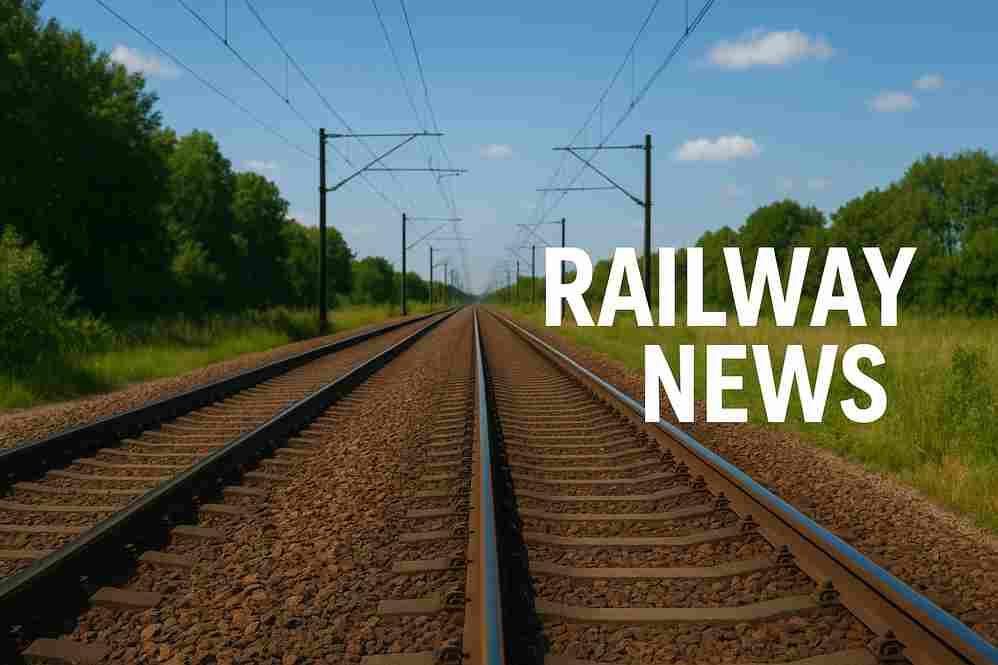
⚡ In Brief: Infrastructure Ontario and Metrolinx issued a Request for Proposals to 11 shortlisted developers for the Yonge North Subway Extension’s station, rail and systems contract, using an owner-formed alliance procurement model with three work packages.
TORONTO, CANADA – Metrolinx and Infrastructure Ontario (IO) have launched the formal procurement phase for the Yonge North Subway Extension (YNSE) station, rail and systems contract. The Request for Proposals (RFP) was released to 11 prequalified developers on an undisclosed date in 2025. The 5-mile (8-km) Line 1 extension from Finch Station into Richmond Hill will connect with York Region Transit and GO Transit services, though the full contract value has not been publicly disclosed.
What Does This Contract Cover?
The contract is structured as an owner-formed alliance and divided into three separate work packages encompassing stations, rail infrastructure, and all associated systems. The alliance model means the owner — Metrolinx/IO — will collaborate directly with the selected developer team, sharing risk and decision-making throughout delivery. The scope includes construction of new stations, track, signalling, and integration with existing TTC Line 1 operations, as well as interchanges with regional bus and GO Transit at the Richmond Hill terminus.
Key Contract Data
| Parameter | Value |
|---|---|
| Contract Name | YNSE Station, Rail and Systems Contract |
| Total Value | Not disclosed |
| Parties Involved | Infrastructure Ontario, Metrolinx; 11 shortlisted developers (names undisclosed) |
| Timeline / Completion | Not disclosed |
| Country / Corridor | Canada, Toronto–York Region (Finch Station to Richmond Hill) |
How Does This Compare to Similar Contracts?
Independent entity verification reveals a striking contradiction: the Toronto Transit Commission (TTC) itself has stated it has “no current plans to extend Line 1 subway service” from Finch Station into Richmond Hill, based on its most recent public disclosures (Source: Independent entity verification, 2025). This contrasts sharply with Metrolinx’s RFP issuance and raises questions about operational handover timelines. Meanwhile, comparable alliance-based metro rail contracts in Canada remain scarce. In the UK, the £15.6bn five-year funding package for local transport projects has prompted feasibility studies for extensions such as the Tyne & Wear Metro to Washington (Source: Rail Business UK, 2026). However, no direct like-for-like data on YNSE’s alliance model value or structure was publicly available at time of publication.
Editor’s Analysis
The disconnect between Metrolinx’s procurement progress and TTC’s official position signals ongoing governance friction in Toronto’s transit pipeline. While owner-formed alliances can accelerate delivery by bundling design and construction, the lack of a unified public narrative may complicate future operating agreements. Globally, urban rail investment is rising — Indonesia’s KAI, for instance, is pursuing decarbonisation with solar installations and tree-planting (Source: EcoBiz Asia, 2026) — but Canadian projects continue to face unique institutional hurdles that can delay even advanced procurements.
FAQ
Q: Why does TTC say there are no plans for the extension while Metrolinx is requesting proposals?
A: Metrolinx, the provincial transit agency, leads the procurement and construction of the YNSE, while TTC will likely operate the extended line once delivered. TTC’s statement may reflect that it has not yet formally committed to operating parameters or funding for the extension, creating a gap in public messaging.
Q: What is an owner-formed alliance procurement model in rail contracts?
A: It is a collaborative delivery method where the project owner (Metrolinx/IO) and the contractor form a single alliance, sharing risks, costs, and decision-making. This model has been used in Australia for large infrastructure but remains unusual in Canadian transit, with no directly comparable recent contract available for benchmarking.
Q: How many stations will the Yonge North Subway Extension add?
A: The RFP documentation has not been made public, and Metrolinx has not disclosed the exact number of new stations in the current procurement phase. The 5-mile alignment is expected to include multiple intermediate stops between Finch and Richmond Hill, but this has not been officially confirmed.

Railway infrastructure, rolling stock and transport technologies specialist focused on global rail industry developments, high-speed rail systems, signaling technologies and freight transportation. Covering railway investments, public transport modernization, rail operations and international mobility projects across Europe, Asia and North America.
RELATED POSTS

October 1, 2026 7:09 am
United States regulators confirmed a September 30 deadline for the...

October 4, 2026 5:14 pm
Alstom secured a CA$4.7 billion order from VIA Rail Canada...
October 1, 2026 10:14 am
HS2 installed a 55-metre steel span in Birmingham, completing phase...
October 1, 2026 11:14 pm
CATS confirmed a six-mile streetcar route in Charlotte to add...
October 1, 2026 11:13 am
Norfolk Southern expanded its 3B Corridor in Alabama in 2025,...
October 1, 2026 1:12 pm
CSX expanded Queensgate Yard in Cincinnati by installing 42 power...