
Metro Trains: Enhancing Rail Safety & Reducing Delays
Metro Trains boosts emergency response, cutting service disruptions on its railway network. Improved protocols, reducing delays from 2023’s 1636 to 790 minutes in 2024.
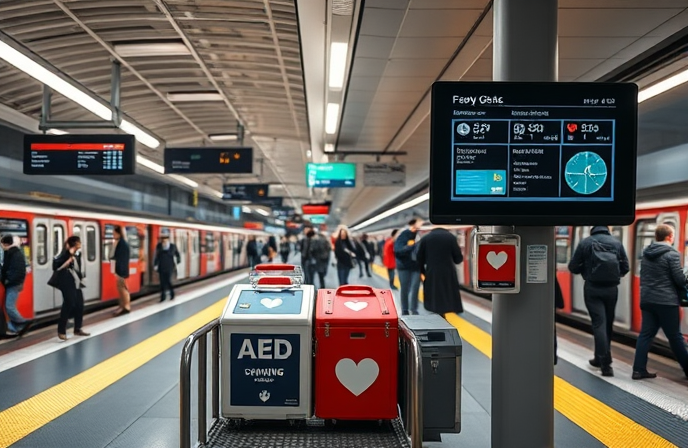
Metro Trains Enhances Emergency Medical Response, Reduces Service Disruptions
In a move reflecting a commitment to passenger safety, Metro Trains has significantly improved its medical emergency response procedures, leading to more efficient assistance and reduced service delays. The enhanced protocols, implemented recently, address a concerning increase in passenger medical incidents. This article will detail the “who”, “what”, “when”, “where”, “why” and “how” of these vital improvements. Specifically, we will examine how Metro Trains is adapting to a rise in medical emergencies on its network, outlining new strategies to expedite assistance and minimize disruptions.
Increasing Demand for Medical Assistance
Metro Trains, a vital component of the urban transport system, experienced a notable surge in passenger medical needs throughout 2024. Over 700 passengers required medical attention during their journeys last year, representing a 14% increase compared to the previous period. The reasons for these incidents are varied and encompass a range of factors including falls, existing medical conditions (both known and previously undiagnosed), dehydration or lack of food, substance abuse, and the adverse effects of weather. Addressing these diverse needs is crucial for ensuring passenger well-being and maintaining operational efficiency across the extensive rail network.
Streamlined Response Protocols and Technology Integration
Metro Trains has implemented a sophisticated, multi-faceted approach to managing medical emergencies. Passengers on trains are instructed to activate the red emergency button, immediately alerting the train driver. At stations, passengers should seek help from station staff or press the “help” button on platforms. Upon notification, Metro’s Control Centre acts as the central coordinating hub, working with station staff, authorized officers, train drivers, and ambulance services. The Control Centre can assess situations, dispatch assistance, and provide critical information to first responders. This coordinated effort ensures a rapid, informed response.
Strategic Deployment of Resources and Defibrillator Accessibility
To expedite medical assistance, Metro Trains has implemented strategic response procedures. Depending on the situation, the Control Centre may direct a train to a major station junction equipped with trained medical personnel, optimizing response times rather than waiting for emergency services at less-equipped stations. All staffed Metro stations are equipped with Automated External Defibrillators (AEDs), providing life-saving capabilities in critical situations. Additionally, frontline staff receive detailed first aid and AED training, ensuring they are fully equipped to handle emergencies and support passengers requiring medical attention. This detailed approach, including the use of AEDs and advanced communication systems, reduces delays in providing critical medical assistance.
Reduced Delays and Operational Improvements
Despite the increase in medical incidents, Metro Trains has significantly reduced service disruptions. In 2023, service delays caused by medical emergencies totaled 1636 minutes. Through enhanced protocols and optimized response strategies, this figure was dramatically reduced to 790 minutes in 2024. This achievement underscores the effectiveness of the new procedures, demonstrating a commitment to both passenger safety and operational efficiency. By focusing on swift and coordinated assistance, Metro Trains is mitigating the impact of medical events on the overall network performance and passenger experience.
Conclusion
Metro Trains’ proactive measures in addressing passenger medical emergencies represent a significant advancement in its operational strategy. By implementing streamlined protocols, leveraging technology, and enhancing staff training, Metro has demonstrably improved its response times and reduced service disruptions. This shift is particularly notable given the increased demand for medical assistance, reflecting a proactive stance on passenger safety and operational efficiency. The industry implications are far-reaching: other rail networks can learn from Metro’s approach, potentially implementing similar protocols to create more resilient and passenger-focused services. Looking forward, the continued integration of technology, enhanced data analysis of medical incidents, and further refinement of training programs will be critical in maintaining and improving the effectiveness of these important protocols, thus ensuring a safer and more reliable transport experience for all passengers.
Company Summary
Metro Trains operates a significant urban rail network, playing a critical role in providing public transportation. Their focus on passenger safety and network efficiency through these improvements demonstrates a commitment to delivering essential services and is critical in the future development and growth of public transportation in the region. The proactive approach in addressing emergency response reflects a dedication to adapting to the evolving needs of its passengers.

Railway infrastructure, rolling stock and transport technologies specialist focused on global rail industry developments, high-speed rail systems, signaling technologies and freight transportation. Covering railway investments, public transport modernization, rail operations and international mobility projects across Europe, Asia and North America.
RELATED POSTS

October 1, 2026 7:09 am
United States regulators confirmed a September 30 deadline for the...

October 8, 2026 1:15 pm
Alstom secured a €1bn contract to build 13 automated trains,...

October 4, 2026 5:14 pm
Alstom secured a CA$4.7 billion order from VIA Rail Canada...

October 1, 2026 12:13 am
Illinois approved $1.5 billion annually for the Northern Illinois Transit...

October 6, 2026 2:14 am
Union Pacific launched export rail shipments with Ferromex to deliver...

October 1, 2026 6:10 am
Amtrak approved a System Expansion Committee on July 30 to...