
Meerut Metro: India’s Rail Revolution
The delivery of Alstom-built trainsets for the Meerut Metro marks a significant milestone in India’s modernization efforts towards self-reliance in rail infrastructure, showcasing advancements in indigenous design and manufacturing while integrating seamlessly into the country’s broader regional transport system.
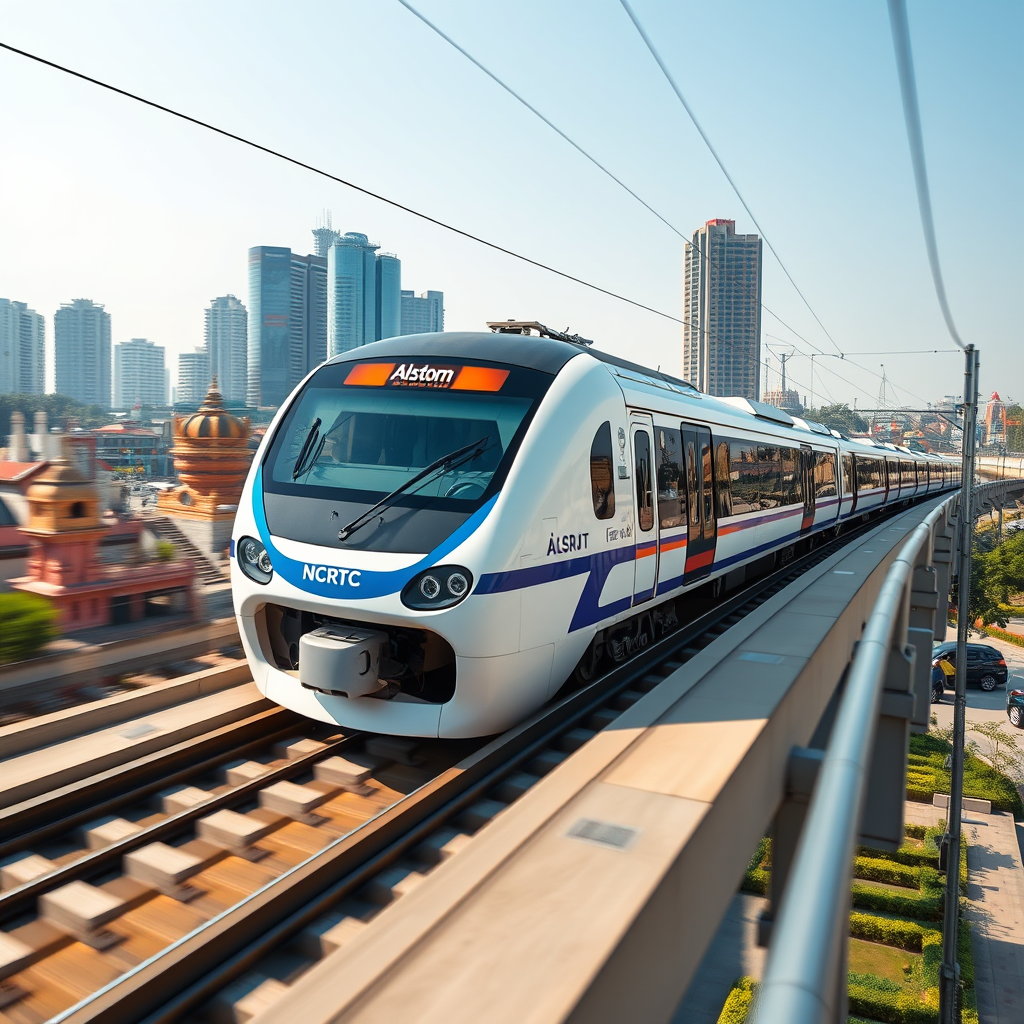
This article examines the recent delivery of the first Alstom-built trainset for the Meerut Metro system, a significant project within India’s broader push towards modernizing its rail infrastructure. The delivery marks a key milestone not only for the Meerut-Delhi corridor but also for India’s “Make-in-India” initiative, showcasing the country’s growing capacity in manufacturing advanced rolling stock. The project’s success rests on several interconnected factors, including the strategic partnership between Alstom and the National Capital Region Transport Corporation (NCRTC), the adoption of advanced technologies, and the integration of the Meerut Metro into the larger Regional Rapid Transit System (RRTS). We will explore these facets to understand the implications of this project for India’s ongoing railway modernization efforts and the potential for future similar endeavors.
Indigenous Design and Manufacturing
The Meerut Metro trainsets, based on Alstom’s Adessia commuter model, represent a significant achievement in India’s pursuit of self-reliance in the rail sector. Designed in Hyderabad and manufactured at Alstom’s facility in Savli, Gujarat, these 10-car sets incorporate a range of modern features, including ample seating, dedicated wheelchair spaces, and Wi-Fi connectivity. This “Make-in-India” focus not only reduces reliance on foreign suppliers but also fosters the growth of domestic engineering and manufacturing capabilities, creating jobs and stimulating economic activity. The project underscores the potential for India to become a global player in the manufacturing of advanced rolling stock.
Integration with the Regional Rapid Transit System (RRTS)
The strategic integration of the Meerut Metro line into the larger RRTS network highlights a forward-thinking approach to urban and intercity rail connectivity. The 25km Meerut line (14.8km elevated, 4.6km underground), connecting Partapur to Modipuram, serves not only local commuters but also facilitates seamless travel to Delhi. This interconnected approach maximizes efficiency, reduces travel times, and provides a detailed transportation solution for the region. The synergy between the Meerut Metro and the RRTS serves as a model for future integrated transport systems across India.
Technological Advancement and Passenger Amenities
Beyond the manufacturing aspect, the Meerut Metro project showcases the adoption of advanced technologies. The integration of Intelligent Transportation Systems (ITS) ensures efficient operation and monitoring of the system. Passenger comfort and convenience are prioritized through features such as ample seating, wheelchair accessibility, and Wi-Fi. The provision of modern amenities enhances the overall passenger experience, promoting ridership and establishing a positive perception of the rail system. This focus on passenger experience is critical to the success and acceptance of any mass rapid transit system.
The “Make-in-India” Initiative and its Broader Impact
The Meerut Metro project aligns perfectly with Prime Minister Modi’s “Make-in-India” policy, aiming to boost domestic manufacturing and reduce reliance on imports. By successfully designing, manufacturing, and deploying these trainsets domestically, India demonstrates its growing capabilities in the rail sector. This contributes not only to national self-reliance but also to the global competitiveness of Indian industries. The success of this project can serve as a template for similar initiatives, accelerating the modernization and expansion of India’s extensive railway network.
Conclusions
The delivery of the first Alstom-built trainset for the Meerut Metro marks a significant milestone in India’s railway modernization efforts. The project’s success stems from a confluence of factors: a strong partnership between Alstom and the NCRTC, a commitment to indigenous manufacturing under the “Make-in-India” initiative, the integration of advanced technologies, and a focus on passenger amenities. The seamless integration of the Meerut Metro with the RRTS signifies a forward-thinking approach to integrated urban and intercity rail transport. The project showcases not only India’s growing capabilities in designing and manufacturing advanced rolling stock but also its commitment to modernizing its transportation infrastructure to meet the demands of a rapidly growing economy. The successful execution of this project serves as a blueprint for future rail development projects across the country, potentially inspiring similar collaborations and innovations, further strengthening India’s rail sector and bolstering its position on the global stage. The focus on passenger comfort, technological advancement, and efficient operations points toward a future where rail travel in India is not just efficient but also a comfortable and enjoyable experience, driving economic growth and improving the quality of life for millions of commuters. This success story underscores the potential for transformative growth within India’s rail industry through strategic partnerships, technological adoption, and a commitment to national self-reliance.

Railway infrastructure, rolling stock and transport technologies specialist focused on global rail industry developments, high-speed rail systems, signaling technologies and freight transportation. Covering railway investments, public transport modernization, rail operations and international mobility projects across Europe, Asia and North America.
RELATED POSTS

October 5, 2026 6:12 pm
AECOM and Jacobs secured a contract in September 2026 to...

October 4, 2026 11:08 pm
Sound Transit confirmed the September 30 opening of Seattle Pinehurst...
October 6, 2026 12:16 am
FTA awarded $233 million in grants to eight US rail...
October 1, 2026 10:14 am
HS2 installed a 55-metre steel span in Birmingham, completing phase...
October 6, 2026 9:17 am
Illinois approved $1.1M in state funds to upgrade two McHenry...
October 5, 2026 3:13 pm
DART launched a 90-day fare enforcement pilot across 5 light-rail...