
Lineas & H.Essers: Rail Freight Revolution in Belgium
Lineas and H.Essers’ Genk Railport revolutionizes Belgian rail freight, slashing road transport and CO2 emissions. Discover how this intermodal game-changer is reshaping European logistics!
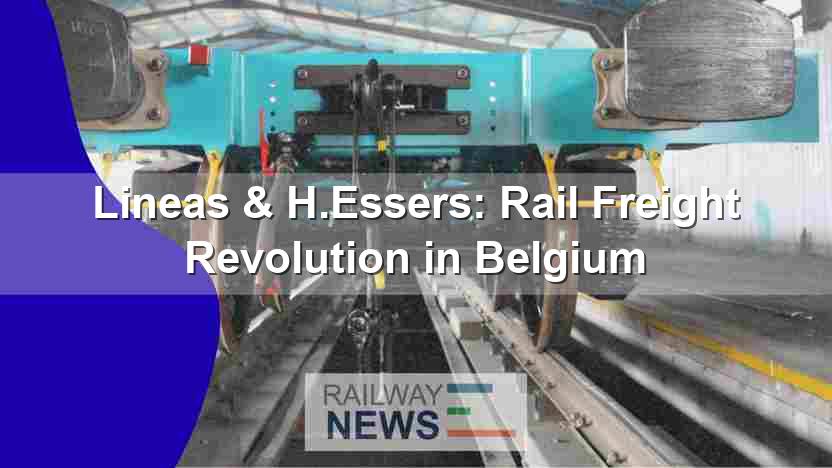
This article explores the significant impact of the newly launched H.Essers Railport Genk, a joint venture between Lineas, a leading European rail freight operator, and H.Essers, a prominent logistics provider. The establishment of this intermodal terminal marks a crucial step towards shifting freight transportation from road to rail, addressing pressing environmental concerns and enhancing logistical efficiency within Belgium and beyond. The strategic collaboration between these two industry giants leverages their respective strengths – Lineas’s extensive rail network and operational expertise and H.Essers’ established logistics network and customer base – to create a more sustainable and efficient freight system. The Genk terminal will serve as a model for future intermodal developments, demonstrating the potential for significant modal shift and illustrating the economic and environmental benefits of prioritizing rail freight. We will analyze the terminal’s operational capabilities, its contribution to reducing carbon emissions, and its potential for expansion and replication across other regions facing similar logistical challenges. The subsequent sections delve into the specific aspects of this innovative venture and assess its long-term implications for the European freight transportation landscape.
Intermodal Efficiency and Modal Shift
The H.Essers Railport Genk is designed to facilitate a seamless transfer of goods between road and rail transport, a key element in promoting intermodal efficiency. By offering a strategically located, well-equipped terminal, the partnership aims to significantly reduce the reliance on road haulage for goods moving to and from the Genk region. This modal shift is expected to replace approximately 9,000 road transports annually, dramatically reducing congestion on Belgian roads and contributing to improved traffic flow. The terminal’s infrastructure is designed to handle various cargo types, including high-value goods requiring secure and temperature-controlled transportation. This versatility ensures broad appeal across various industries, making it a central hub for diverse logistical needs. The integration of this terminal into the existing Lineas Green Xpress Network extends its reach across Europe, expanding opportunities for efficient cross-border rail freight.
Environmental Sustainability and Emission Reduction
The shift from road to rail transport inherently contributes to significant environmental benefits. The projected 90% reduction in CO₂ emissions associated with the H.Essers Railport Genk highlights the initiative’s commitment to environmental sustainability. Rail freight boasts significantly lower carbon emissions per tonne-kilometer compared to road transport, making it a crucial element in achieving broader climate goals. The use of rail also reduces noise pollution and other environmental impacts associated with heavy road traffic, further enhancing the terminal’s positive contribution to sustainable transportation. The terminal’s ability to handle secure and cold-chain transports to countries like Greece and Turkey demonstrates that rail is a viable option even for highly specialized logistical needs.
Strategic Partnerships and Network Expansion
The success of the H.Essers Railport Genk hinges on the strong strategic partnership between Lineas and H.Essers. This collaborative effort combines Lineas’s expertise in rail operations and network infrastructure with H.Essers’s established logistics network and customer relationships. This synergistic approach provides a detailed solution for shippers, streamlining the complexities of intermodal transportation. The joint marketing efforts focused on developing domestic rail connections between Genk and major Belgian port cities (Antwerp, Ghent, Zeebrugge) showcase a commitment to building a robust and integrated rail freight network. The long-standing collaboration between the two companies, including the Belgium-Romania rail freight connection, underlines a shared commitment to building efficient and sustainable supply chains.
Future Implications and Scalability
The H.Essers Railport Genk serves as a pioneering project, demonstrating the potential for significant growth in rail freight. The terminal’s success will undoubtedly encourage similar initiatives in other regions facing similar logistical challenges. The ability to handle various cargo types, including high-value and temperature-sensitive goods, ensures the terminal’s adaptability and broad applicability across different industries. The terminal’s integration into the broader Lineas network facilitates seamless connections throughout Europe, encouraging wider adoption of rail freight. Additionally, the positive environmental impact and efficient logistics are likely to attract further investments in rail infrastructure and foster a wider shift towards sustainable transportation solutions across the continent. The successful replication of this model in other locations could significantly contribute to reducing reliance on road transport and achieving broader sustainability goals within the European Union.
Conclusions
The launch of the H.Essers Railport Genk represents a significant advancement in the European freight transportation landscape. The strategic partnership between Lineas and H.Essers has resulted in a state-of-the-art intermodal terminal designed to significantly reduce the environmental impact of freight transport while simultaneously boosting logistical efficiency. The terminal’s capacity to handle diverse cargo types and its integration with the extensive Lineas network demonstrate a commitment to providing detailed and sustainable transportation solutions. The projected reduction in road transport and CO₂ emissions showcases the considerable environmental benefits of shifting freight from road to rail. The success of this initiative relies on the collaborative efforts of two industry leaders, combining their expertise to create a robust and integrated system. Moreover, the project’s success has profound implications for future developments in the sector, underscoring the potential for widespread replication and the significant contribution that intermodal terminals can make to a more sustainable and efficient transportation network. This model sets a precedent for other regions seeking to mitigate the environmental impact of freight transport and optimize logistical operations. The emphasis on intermodal efficiency, environmental responsibility, and strategic partnerships serves as a blueprint for future initiatives aimed at enhancing the competitiveness and sustainability of European rail freight.

Railway infrastructure, rolling stock and transport technologies specialist focused on global rail industry developments, high-speed rail systems, signaling technologies and freight transportation. Covering railway investments, public transport modernization, rail operations and international mobility projects across Europe, Asia and North America.
RELATED POSTS

October 8, 2026 12:18 pm
Siemens Mobility signed an agreement with VinSpeed to supply 350...

October 5, 2026 6:12 pm
AECOM and Jacobs secured a contract in September 2026 to...

October 4, 2026 11:08 pm
Sound Transit confirmed the September 30 opening of Seattle Pinehurst...
October 5, 2026 1:13 pm
New York MTA confirmed a late 2026 DEIS release for...
October 6, 2026 9:17 am
Illinois approved $1.1M in state funds to upgrade two McHenry...
October 6, 2026 5:12 pm
Cleveland RTA confirmed the deferral of planned bus and rail...