
Italy’s Hydrogen Train Revolution: Alstom Leads the Way
Alstom’s deployment of hydrogen trains in Italy, particularly in Puglia and Lombardy, represents a pivotal step towards decarbonizing the country’s railway network by transitioning from diesel-based locomotives to cleaner hydrogen-powered alternatives. This initiative not only benefits environmental sustainability but also has significant implications for regional economic development and the evolution of railway technology globally.
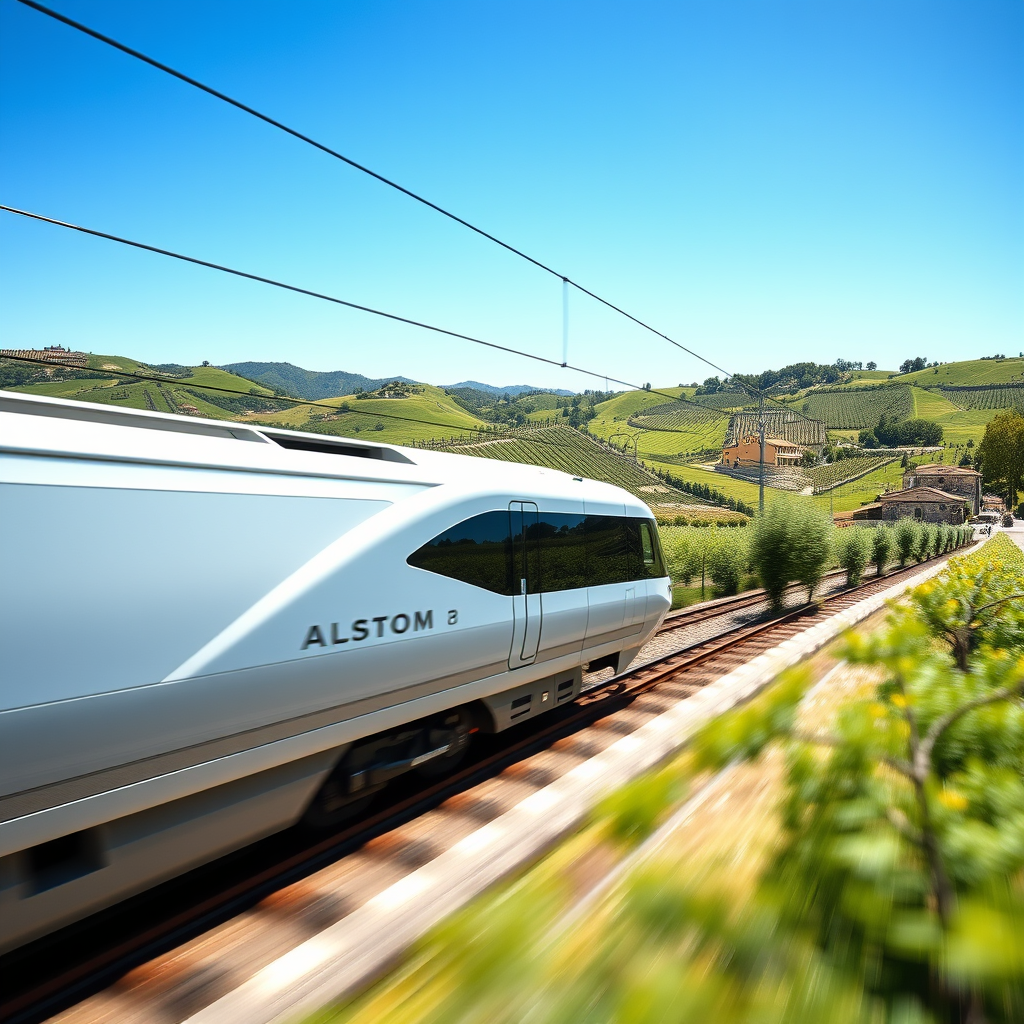
This article examines the significant development of hydrogen train technology in Italy, specifically focusing on Alstom’s recent contracts with the Puglia and Lombardy regions. The introduction of hydrogen-powered trains represents a crucial step towards decarbonizing Italy’s railway network, transitioning from diesel-based locomotives to a cleaner, more sustainable alternative. This shift has considerable implications for environmental sustainability, regional economic development, and the evolution of railway technology itself. We will explore the technological advancements incorporated in these Coradia Stream H trains, the broader strategic implications for the Italian railway system, the economic benefits for the regions involved, and the potential for wider adoption of this technology across Europe and beyond. The success of this initiative will serve as a vital case study for other countries looking to adopt similar strategies in their efforts towards achieving net-zero emissions targets within the rail sector.
Alstom’s Hydrogen Train Deployment in Italy: A Technological Leap
Alstom, a leading global manufacturer of railway equipment, has secured contracts to supply its Coradia Stream H hydrogen trains to both the Puglia and Lombardy regions of Italy. This signifies a major investment in sustainable rail transport within the country. For Puglia, this represents the first introduction of hydrogen trains, replacing existing diesel fleets operated by Ferrovie del Sud Est (FSE). Simultaneously, Lombardy, via Ferrovie Nord Milano (FNM), is receiving an additional order under a pre-existing framework agreement, expanding its hydrogen train fleet. The Coradia Stream H trains, manufactured in Alstom’s Italian plants, are designed for widespread European deployment, showcasing the adaptability and scalability of this technology. Alstom’s commitment to utilizing its established expertise in green traction solutions is paramount in enabling the efficient conversion of existing diesel lines to zero-emission hydrogen operation.
Environmental and Social Impact of Hydrogen Trains
The transition to hydrogen trains offers substantial environmental benefits. By replacing diesel locomotives, these trains significantly reduce greenhouse gas emissions (CO2), contributing to cleaner air and a more sustainable transportation system. The initiative directly addresses Italy’s commitment to reducing its carbon footprint and aligns with broader European Union goals for decarbonizing the transport sector. Beyond environmental benefits, the deployment of hydrogen technology also creates economic opportunities. The contracts stimulate local manufacturing, provide employment opportunities during the manufacturing and operational phases, and foster technological advancement within the Italian railway industry. The long-term sustainability of such investments presents a positive future outlook for the regions’ economies and creates a model for other regions to implement similar projects.
Operational Capabilities and Technological Advancements
The Coradia Stream H trains boast several key features. Their hydrogen fuel cells provide a range exceeding 600 km (approximately 373 miles) on a single tank, making them suitable for extensive regional networks. With a capacity of 260 passengers, these trains offer ample seating and stand-up space, suitable for both commuter and regional services. The planned commencement of operations in Q4 2024 indicates a swift implementation process, demonstrating Alstom’s capabilities in delivering and integrating this innovative technology. The technology’s design scalability across European networks proves its suitability for a variety of different terrains and operational scenarios. The integration of Intelligent Transportation Systems (ITS) could further enhance the efficiency and safety of the trains, particularly in integration with a centralized train control system.
Strategic Implications for the Italian Railway Network and Beyond
Alstom’s hydrogen train deployment in Italy sets a powerful precedent for the wider adoption of this technology across Europe and globally. It demonstrates the feasibility and practicality of transitioning from diesel to hydrogen-powered rail systems. The successful implementation in regions like Puglia and Lombardy will serve as a strong case study for other countries seeking to decarbonize their rail networks. The strategic partnerships formed between Alstom and Italian railway operators highlight the collaborative efforts needed for large-scale technological transformations within the railway sector. This successful transition will influence long-term investment strategies, shaping the future of railway technology and propelling a global shift toward sustainable transportation.
Conclusion
Alstom’s supply of Coradia Stream H hydrogen trains to Puglia and Lombardy marks a pivotal moment in Italy’s journey towards a sustainable and efficient rail network. The successful implementation of this technology offers significant environmental benefits through the reduction of CO2 emissions, replacing diesel-powered trains with a zero-emission alternative. The project also demonstrates the potential for economic growth through the creation of jobs in manufacturing, operation, and maintenance, stimulating regional economies. The operational capabilities of the Coradia Stream H, including its extended range and passenger capacity, make it a viable solution for both regional and commuter services. Moreover, this initiative sets a significant precedent for the broader adoption of hydrogen technology in the European rail sector and globally. This successful case study will influence future investments in sustainable transportation, paving the way for wider adoption and furthering the development of hydrogen fuel cell technology in the railway industry, leading to a cleaner, more environmentally responsible transportation future. The success of this project underscores the importance of collaboration between manufacturers, regional operators, and government bodies in driving the adoption of innovative, sustainable transportation technologies. The ripple effect of this technological shift extends far beyond Italy, showcasing the potential for global decarbonization within the rail industry.

Railway infrastructure, rolling stock and transport technologies specialist focused on global rail industry developments, high-speed rail systems, signaling technologies and freight transportation. Covering railway investments, public transport modernization, rail operations and international mobility projects across Europe, Asia and North America.
RELATED POSTS

October 8, 2026 1:15 pm
Alstom secured a €1bn contract to build 13 automated trains,...

October 1, 2026 7:09 am
United States regulators confirmed a September 30 deadline for the...

October 4, 2026 5:14 pm
Alstom secured a CA$4.7 billion order from VIA Rail Canada...

October 8, 2026 12:18 pm
Siemens Mobility signed an agreement with VinSpeed to supply 350...

October 5, 2026 6:12 pm
AECOM and Jacobs secured a contract in September 2026 to...

October 4, 2026 11:08 pm
Sound Transit confirmed the September 30 opening of Seattle Pinehurst...