
HS2: High-Speed Rail’s Future Trends
High-speed rail: Mastering complex engineering, maximizing economic impact, and ensuring passenger safety. Discover how advancements in track design and signaling systems are shaping the future of rail!
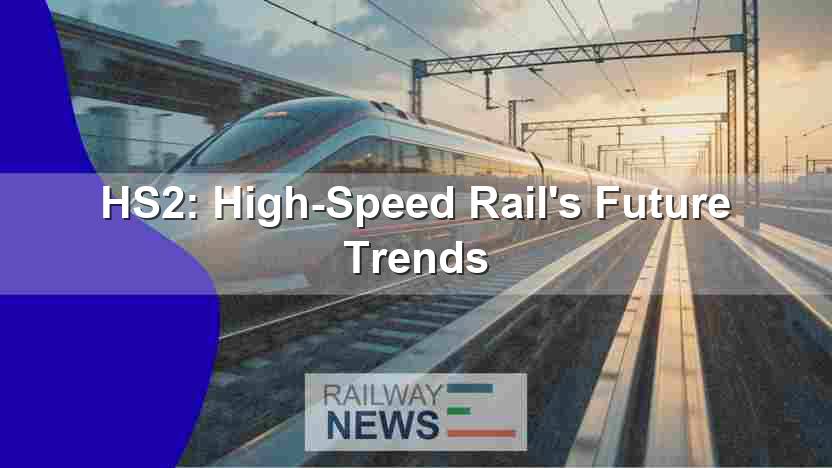
The development of high-speed rail (HSR) networks presents a complex interplay of engineering, economic, and political considerations. This article explores the multifaceted challenges inherent in constructing and operating HSR systems, examining the crucial technological advancements required, the significant financial investments needed, and the broader societal impacts. We will explore the intricacies of track design and construction, focusing on the demanding specifications necessary to support the high speeds and heavy loads involved. Additionally, we will discuss the critical role of efficient signaling and train control systems in ensuring safety and maximizing operational capacity. Finally, the article will analyze the economic viability of HSR projects, considering factors such as ridership projections, ticket pricing strategies, and the potential for economic stimulus in the regions served. By examining these key aspects, we aim to provide a detailed overview of the opportunities and hurdles associated with the expansion of high-speed rail globally.
Technological Advancements in High-Speed Rail
The successful implementation of HSR necessitates significant technological advancements across multiple domains. Track design and construction are paramount, demanding robust materials and precise engineering to withstand the immense stresses generated by high-speed trains. This includes the utilization of advanced ballast and slab track designs, ensuring both stability and minimal track irregularities to provide a smooth and safe ride. Additionally, sophisticated signaling and train control systems are essential for managing train traffic efficiently and safely at high speeds. This involves the implementation of technologies such as ETCS (European Train Control System) or similar systems capable of ensuring precise train spacing, automatic speed control, and collision avoidance. The development of advanced rolling stock, characterized by aerodynamic designs and lightweight materials, is also crucial for optimizing energy efficiency and speed performance. The integration of all these technologies requires meticulous planning and coordination.
Financial Viability and Economic Impact
The financial aspects of HSR development present significant challenges. The initial capital investment required for infrastructure construction, including track laying, station building, and signaling systems, is substantial. Securing funding through public-private partnerships (PPPs) or government subsidies is often necessary, raising questions of cost-effectiveness and return on investment. Accurate ridership projections are crucial for assessing the economic viability of HSR projects, as revenue generation through ticket sales is a major factor influencing profitability. However, the economic benefits of HSR extend beyond direct revenue generation. HSR networks can stimulate economic growth in served regions by improving connectivity, facilitating trade, and attracting investment. A thorough cost-benefit analysis, considering both short-term and long-term impacts, is therefore crucial in decision-making processes.
Safety and Regulatory Frameworks
Ensuring the safety of high-speed rail operations is paramount. Stringent safety regulations and rigorous testing protocols are essential to mitigate risks associated with high-speed travel. This includes the implementation of detailed safety management systems, regular maintenance schedules, and stringent operator training programs. Additionally, the integration of advanced safety technologies, such as automatic train protection (ATP) systems, is crucial for preventing accidents and minimizing the consequences of potential failures. The development of robust regulatory frameworks is essential to oversee the entire lifecycle of HSR projects, ensuring compliance with safety standards, environmental regulations, and other relevant legislation. Effective governance structures are required to manage the complexities of construction, operation, and maintenance.
HS2 Track Works and Future Prospects
The construction of projects like HS2 (High Speed 2) in the UK serves as a significant example of both the challenges and opportunities associated with HSR development. The HS2 track works illustrate the complexities involved in constructing a large-scale HSR network, highlighting the logistical challenges, technical innovations, and substantial financial investment required. While such projects present considerable upfront costs, their potential to transform regional economies and enhance national connectivity remains substantial. Looking ahead, the future of HSR hinges on continued technological advancements, effective regulatory frameworks, and innovative financing strategies to overcome the challenges and realize the long-term benefits of these high-speed networks. Successful integration of sustainable practices and consideration of environmental impacts will also be key determinants of the long-term viability and acceptance of future high-speed rail projects. The advancements in materials science and construction techniques continue to refine track laying methods and enhance the longevity and safety of the rail infrastructure. This evolution allows for more efficient and sustainable high-speed rail networks, which will play a crucial role in modern transportation for years to come.
To summarize, the development of high-speed rail presents a significant engineering and economic undertaking. The technological advancements required for track construction, signaling, and rolling stock are substantial, demanding significant investment and expertise. The financial viability of HSR projects relies heavily on accurate ridership projections and effective cost management, while the economic impact can extend far beyond direct revenue generation, stimulating regional growth and enhancing national connectivity. Rigorous safety standards and regulatory frameworks are indispensable for ensuring safe and reliable operations. Projects like the HS2 track works highlight the considerable logistical and financial challenges involved, but also the potential for transformative economic and societal benefits. The future success of HSR depends on a continued commitment to innovation, collaboration, and sustainable practices to maximize its potential while mitigating its challenges.
You might be interested in:
Last June 2019, we published an article about Uzbekistan’s high-speed rail expansion with Talgo’s T250 trains. Click here to read – Uzbekistan’s High-Speed Rail: Talgo’s T250 Expansion

Railway infrastructure, rolling stock and transport technologies specialist focused on global rail industry developments, high-speed rail systems, signaling technologies and freight transportation. Covering railway investments, public transport modernization, rail operations and international mobility projects across Europe, Asia and North America.
RELATED POSTS

October 8, 2026 1:15 pm
Alstom secured a €1bn contract to build 13 automated trains,...

October 1, 2026 7:09 am
United States regulators confirmed a September 30 deadline for the...

October 8, 2026 12:18 pm
Siemens Mobility signed an agreement with VinSpeed to supply 350...

October 4, 2026 5:14 pm
Alstom secured a CA$4.7 billion order from VIA Rail Canada...

October 5, 2026 6:12 pm
AECOM and Jacobs secured a contract in September 2026 to...

October 1, 2026 12:13 am
Illinois approved $1.5 billion annually for the Northern Illinois Transit...