
Hitachi Rail to Transform Bangkok MRT Fare Collection
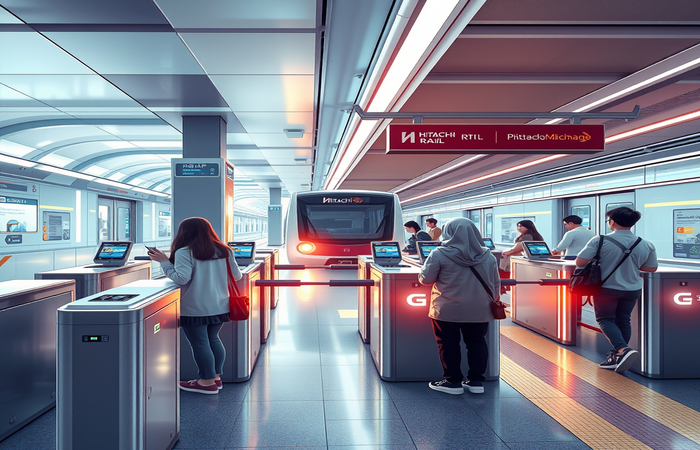
Hitachi Rail is set to revolutionize Bangkok’s Mass Rapid Transit system by deploying advanced AFC systems that enhance passenger convenience and streamline the city’s public transportation infrastructure through modern payment technologies like open-loop EMV and QR code ticketing, aiming for a more integrated and sustainable urban mobility ecosystem.
Bangkok, Thailand – October 26, 2023
Hitachi Rail is poised to revolutionize the fare collection landscape of Bangkok’s Mass Rapid Transit (MRT) system. The company has been awarded four significant contracts, marking a pivotal step in modernizing and streamlining the city’s public transportation infrastructure. These contracts encompass the deployment of a state-of-the-art ticketing system for the Orange Line, a vital new addition to the network, alongside detailed upgrades to the Automatic Fare Collection (AFC) systems currently operational on the Blue and Purple Lines. This strategic move aims to enhance passenger convenience, introduce cutting-edge payment technologies, and foster a more integrated and sustainable urban mobility ecosystem. This article will delve into the specifics of these contracts, exploring the technological advancements, the benefits for commuters, and the broader implications for Bangkok’s transit future. This detailed overview will examine the scope of the project, its impact on the passenger experience, and Hitachi Rail’s role in shaping the future of Bangkok’s transportation network.
Fare Collection Modernization in Bangkok’s MRT
The core of this initiative lies in the modernization of Bangkok’s fare collection infrastructure. The project’s key focus is the implementation of advanced AFC systems. The introduction of these upgrades is designed to address the growing needs of a rapidly expanding urban population. The project includes the deployment of a new ticketing system for the Orange Line and the upgrade of existing systems on the Blue and Purple Lines.
The upgrade involves the implementation of modern technologies, including open-loop EMV (Europay, Mastercard, Visa) and QR code ticketing. This integration will allow passengers to use a wider range of payment options, including contactless credit and debit cards, and mobile ticketing solutions. This move aims to enhance passenger convenience and support the city’s shift towards a more connected and sustainable urban mobility framework.
Technological Advancements and Passenger Benefits
The contracts specify several crucial technological upgrades to the current fare collection infrastructure. These upgrades offer passengers significant advantages. The integration of open-loop EMV technology enables passengers to pay their fares using contactless credit and debit cards directly at the fare gates, eliminating the need for traditional stored-value cards. The adoption of QR code ticketing provides an additional convenient payment option. Passengers can use their smartphones to purchase and store tickets, streamlining the boarding process and reducing congestion at ticket vending machines.
These modern technologies contribute to a more efficient and user-friendly transit experience. By reducing the need for physical tickets and cash transactions, the new systems speed up boarding times, shorten queues, and minimize the risk of fare evasion. The overall impact is a more seamless and integrated transport network, enhancing the quality of life for commuters and promoting the use of public transport.
Hitachi Rail’s Role and Future Implications
Hitachi Rail has a longstanding relationship with Bangkok Expressway and Metro (BEM), dating back to the delivery of the original AFC system for the Blue Line in 2004. These new contracts serve to reinforce this partnership. The company’s commitment to delivering innovative solutions and services in Thailand is evident through the latest contracts. Jean-Marc Reynaud, Vice President of Hitachi Rail RCS (Rail Control Solutions), highlighted the company’s commitment to providing advanced solutions and services in Thailand, emphasizing the potential for interoperability and social benefits for Bangkok’s commuters.
The successful execution of these projects will lay the groundwork for a fully interoperable and integrated fare system across the entire MRT network. This will enable passengers to seamlessly transfer between different lines and modes of transport, creating a more connected and efficient urban transit system. The enhanced data collection capabilities will also provide valuable insights for transport authorities, allowing them to optimize service levels, manage congestion, and improve the overall efficiency of the network.
Conclusion: Shaping the Future of Bangkok’s Transit
The contracts awarded to Hitachi Rail represent a significant stride toward modernizing Bangkok’s public transportation system. The implementation of advanced AFC systems, including open-loop EMV and QR code ticketing, will revolutionize the passenger experience by offering enhanced convenience and payment options. The strategic upgrades not only streamline the fare collection process but also contribute to a more sustainable and integrated urban mobility framework, aligning with global trends toward smart city initiatives.
Hitachi Rail’s ongoing collaboration with BEM underscores its commitment to supporting Bangkok’s transit goals. The company’s expertise and innovative solutions will play a crucial role in shaping the future of the city’s transportation landscape. As the project progresses, the benefits will become evident, with commuters experiencing reduced travel times, enhanced convenience, and a more user-friendly transit network. This marks a turning point in Bangkok’s urban mobility journey. The implementation of these technologies will improve the quality of life for commuters and encourage the use of public transportation.
Summary of Companies Involved:
* **Hitachi Rail:** A global provider of railway systems, signaling, and rail vehicles.
* **CH. Karnchang:** A prominent construction and engineering firm in Thailand, involved in infrastructure projects.
* **Bangkok Expressway and Metro (BEM):** The operator of the MRT Blue and Purple lines in Bangkok.

Railway infrastructure, rolling stock and transport technologies specialist focused on global rail industry developments, high-speed rail systems, signaling technologies and freight transportation. Covering railway investments, public transport modernization, rail operations and international mobility projects across Europe, Asia and North America.
RELATED POSTS

October 8, 2026 1:15 pm
Alstom secured a €1bn contract to build 13 automated trains,...

October 1, 2026 7:09 am
United States regulators confirmed a September 30 deadline for the...

October 4, 2026 5:14 pm
Alstom secured a CA$4.7 billion order from VIA Rail Canada...

October 5, 2026 6:12 pm
AECOM and Jacobs secured a contract in September 2026 to...

October 1, 2026 12:13 am
Illinois approved $1.5 billion annually for the Northern Illinois Transit...

October 4, 2026 11:08 pm
Sound Transit confirmed the September 30 opening of Seattle Pinehurst...