
Hamburg Metro’s €3B Upgrade: Alstom’s DT6 & Urbalis CBTC
This €2.8 billion contract awarded to Alstom by Hamburger Hochbahn for modernizing Hamburg’s metro system involves the supply of 374 new DT6 metro trains with advanced passenger amenities, a Grade 4 fully automated signaling system (Urbalis CBTC), and the implementation of cutting-edge technology across the U5 line.
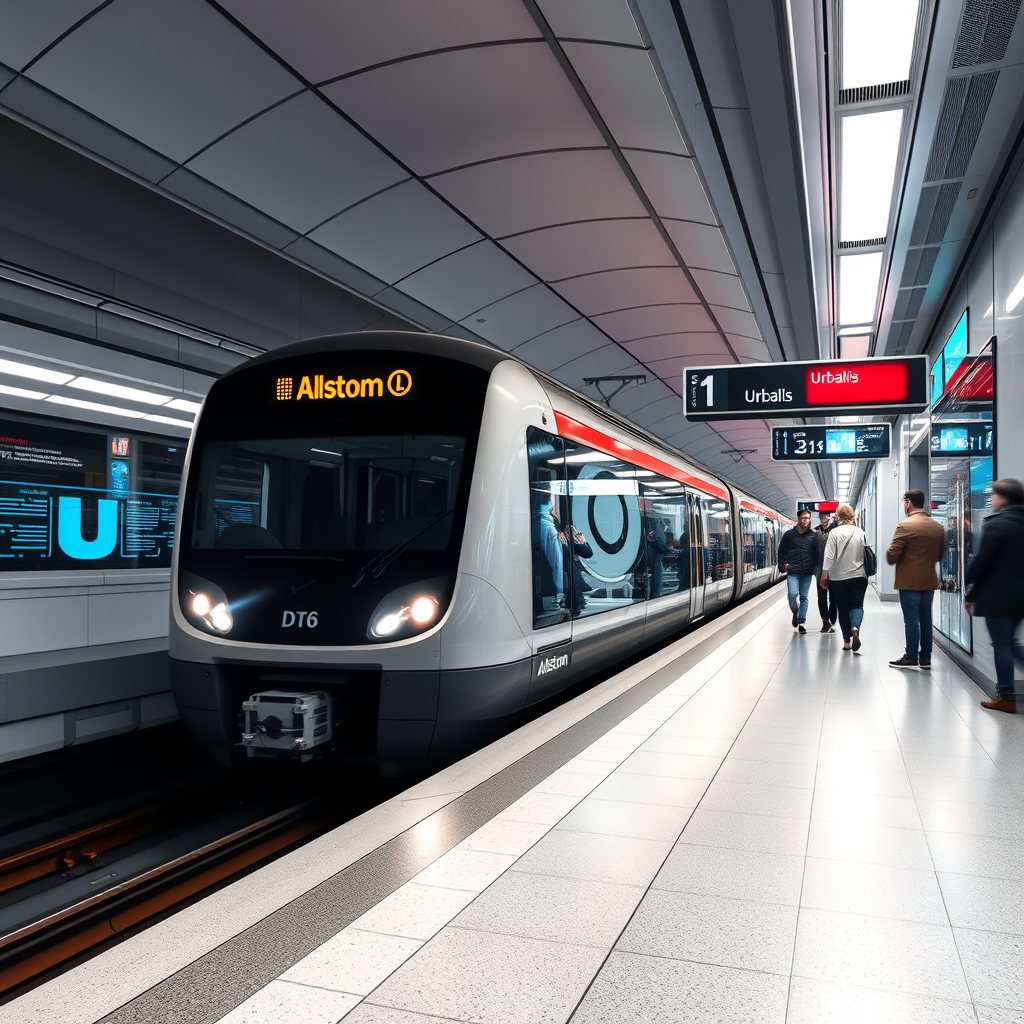
This article examines the significant €2.8 billion ($3 billion) contract awarded to Alstom by Hamburger Hochbahn (HH) for the modernization of Hamburg’s metro system. This detailed undertaking encompasses the supply of hundreds of new metro trains and the implementation of a cutting-edge signaling system. The project signals a substantial investment in improving public transportation infrastructure, highlighting the growing need for efficient, sustainable, and technologically advanced urban rail networks. This modernization effort not only addresses the current capacity constraints of Hamburg’s aging metro system but also lays the groundwork for future expansion and enhanced passenger experience. We will explore the technical specifications of the new rolling stock, the advanced signaling technology being deployed, the logistical challenges involved in such a large-scale project, and the broader implications for urban transportation planning in major European cities. The analysis will delve into the benefits for passengers, the environmental impact considerations, and the economic implications for both Alstom and the city of Hamburg.
New Rolling Stock: The DT6 Metro Train
The core of this project centers around the delivery of up to 374 new DT6 metro trains. These trains represent a significant upgrade from the existing DT4 fleet (also manufactured by Alstom), offering improved passenger comfort and operational efficiency. A key feature is the incorporation of two distinct variants: 254 semi-automated trains for integration into the existing network, and 120 trains equipped for Grade of Automation 4 (GoA4) fully automated operation on the new U5 line. This phased approach allows for a gradual transition to fully automated operation, minimizing disruption and allowing for a thorough testing and validation process. The DT6 trains will feature modern passenger amenities, including air conditioning, USB charging ports, improved information systems, and enhanced accessibility features. This focus on passenger comfort and information dissemination is critical for enhancing the overall rider experience and encouraging increased ridership.
Advanced Signalling System: Urbalis CBTC
The contract also includes the installation of Alstom’s Urbalis Communications-Based Train Control (CBTC) system across the entire 25km U5 line. CBTC is a state-of-the-art signaling technology that enables precise train control and significantly increases line capacity. Unlike traditional signaling systems which rely on fixed track circuits, CBTC uses continuous communication between the trains and the central control system. This allows for shorter headways (the time interval between trains), leading to increased frequency and overall system efficiency. The implementation of Urbalis CBTC will be instrumental in facilitating the fully automated operation of the U5 line, enhancing safety, and maximizing the line’s carrying capacity. The successful deployment of this advanced technology will serve as a model for future metro expansion projects in other cities.
Project Logistics and Implementation
The project’s sheer scale presents considerable logistical challenges. The initial order, comprising 48 trains and CBTC equipment for the first section of the U5 line, carries a value of €670 million. Construction of the first vehicles is slated to begin in 2026 at Alstom’s Salzgitter factory, with deliveries commencing in early 2028. The coordination of manufacturing, transportation, installation, and testing across multiple sites requires meticulous planning and efficient project management. The phased rollout, beginning with the U5 line and gradually integrating the semi-automated trains into the existing network, is a strategic approach to manage risk and minimize operational disruptions. The successful execution of this project will showcase Alstom’s ability to deliver complex, large-scale rail infrastructure projects on time and within budget.
Impact and Future Implications
The Hamburg metro upgrade represents a significant investment in sustainable and efficient urban transportation. The new DT6 trains and the Urbalis CBTC system will reduce reliance on private vehicles, mitigating traffic congestion and reducing carbon emissions. The enhanced capacity of the U5 line, projected to serve 270,000 passengers daily, will address the growing transportation needs of Hamburg. The project’s success will not only improve the lives of Hamburg residents but also serve as a case study for similar modernization projects in other European cities. The integration of GoA4 technology signifies a major step towards the future of automated transit systems, paving the way for more efficient and sustainable urban rail networks worldwide. The long-term economic impact on Hamburg will be significant, improving connectivity, boosting economic activity, and enhancing the city’s overall attractiveness.
Conclusions
The Alstom contract for the Hamburg metro modernization is a landmark project illustrating the significant investment required to maintain and upgrade aging urban rail networks. The introduction of the DT6 trains, with their advanced features and varying automation levels, represents a considerable leap forward in passenger comfort and operational efficiency. The concurrent implementation of the Urbalis CBTC system significantly enhances the capacity and safety of the network. The project’s logistical complexity highlights the importance of careful planning and execution in such large-scale undertakings. Beyond the immediate benefits for Hamburg, this project serves as a compelling example of the ongoing transition towards automated and sustainable urban transportation solutions. The successful completion of this ambitious project will not only modernize Hamburg’s metro system but will also influence urban transport planning across Europe and beyond, providing a blueprint for similar large-scale upgrades and demonstrating the potential of integrated, intelligent transportation systems to meet the challenges of growing urban populations.

Railway infrastructure, rolling stock and transport technologies specialist focused on global rail industry developments, high-speed rail systems, signaling technologies and freight transportation. Covering railway investments, public transport modernization, rail operations and international mobility projects across Europe, Asia and North America.
RELATED POSTS

October 8, 2026 1:15 pm
Alstom secured a €1bn contract to build 13 automated trains,...

October 1, 2026 7:09 am
United States regulators confirmed a September 30 deadline for the...

October 4, 2026 5:14 pm
Alstom secured a CA$4.7 billion order from VIA Rail Canada...

October 8, 2026 12:18 pm
Siemens Mobility signed an agreement with VinSpeed to supply 350...

October 5, 2026 6:12 pm
AECOM and Jacobs secured a contract in September 2026 to...

October 4, 2026 11:08 pm
Sound Transit confirmed the September 30 opening of Seattle Pinehurst...