
Future of Global Rail: Electrification & ITS Trends
Revolutionize your railway network! Modern electrification, intelligent systems, and station redevelopment are transforming rail for a sustainable future. Learn how!
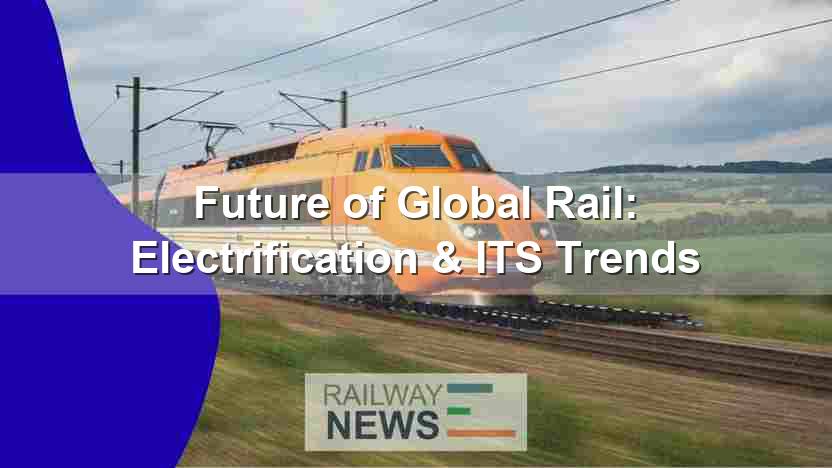
The global rail infrastructure landscape is undergoing a profound transformation, driven by technological advancements, evolving passenger and freight demands, and the pressing need for sustainable solutions. This article explores the key factors reshaping the railway industry, examining how innovations in electrification, signaling, and intelligent transportation systems are shaping the future of rail travel and freight movement. From modernizing existing stations to developing entirely new intermodal hubs, the evolution of rail networks is impacting communities and economies worldwide. This exploration will examine not only the technological advancements but also the societal and economic implications of these transformations, highlighting the strategic importance of investments in rail infrastructure and the crucial role it plays in a sustainable future.
Electrification: Powering a Greener Future
Electrification is pivotal in reducing the environmental footprint of rail. Modern electric locomotive technologies, alongside advanced traction systems and power distribution networks, are not only improving energy efficiency but also enabling the use of renewable energy sources. The integration of renewable energy into the power grid, specifically solar and wind, is a critical element in making rail transportation a truly sustainable mode of transport. Additionally, the integration of electric and hybrid-electric systems is crucial for improving performance, maintenance requirements, and for expanding the range of sustainable transport options across various rail networks. The long-term viability and expansion of the industry will hinge on efficient and effective electrification strategies.
Intelligent Transportation Systems: The Future of Rail Operations
Intelligent Transportation Systems (ITS) are revolutionizing rail operations through real-time data collection, advanced signal systems, and improved communication. The implementation of advanced sensors, automated train control systems (ATO), and communication-based train control (CBTC) is enabling increased capacity, reduced delays, and greater safety. These systems are crucial for optimizing scheduling, monitoring train performance, and efficiently managing the flow of traffic on complex networks, ultimately impacting the overall passenger experience and operational efficiency. Further development in this area includes improvements in predictive maintenance and proactive problem resolution, significantly reducing unplanned downtime and improving service reliability for both passengers and freight operations.
Station Redevelopment: Transforming Hubs into Vibrant Spaces
The modernization of railway stations is not merely about aesthetics but is about improving connectivity and accessibility. Modernizing stations often includes upgrades to platform infrastructure, improvements in accessibility features (e.g. ramps, elevators), and the implementation of advanced passenger information systems. Additionally, the integration of retail spaces, amenities, and public transportation connections is essential in creating functional and vibrant hubs, thereby increasing the appeal and utility of the station. Successful redevelopment projects enhance the overall user experience, improve the attractiveness of rail travel, and encourage a greater shift towards public transport. A prime example is the ongoing Leeds Station Redevelopment, which demonstrates how rail infrastructure upgrades can contribute to urban revitalization.
Conclusions: A Sustainable and Efficient Railway Network for the Future
The future of rail is intrinsically linked to embracing technological advancements, prioritizing sustainability, and fostering collaborative partnerships. Electrification, through the deployment of advanced technologies, is not only reducing emissions but also improving operational efficiency. Intelligent Transportation Systems (ITS) are transforming rail operations by enabling optimized traffic management, improved safety, and enhanced passenger experience. The redevelopment of stations, by incorporating advanced technology and strategic community integration, is transforming these hubs into dynamic urban spaces, fostering a better passenger experience and inspiring more sustainable transportation choices. The ongoing Leeds Station Redevelopment serves as a compelling example of this transformative process.
To summarize, a sustainable and efficient railway network for the future necessitates a multifaceted approach encompassing the effective implementation of intelligent systems, the integration of renewable energy sources, and the strategic redevelopment of railway stations. By embracing these innovations, rail networks can evolve into not just efficient transportation systems, but vital components of thriving urban environments. The strategic investment in these areas is crucial to meet the demands of a growing population and to ensure a more sustainable and interconnected future. Investing in robust rail infrastructure, alongside the adoption of green technologies, lays the foundation for a transportation network that is both efficient and environmentally responsible.
You might be interested in:
Last February 2019, we published an article about ABB’s contract to electrify Indian Railways. Click here to read – ABB Electrifies Indian Railways: $42M Contract & Sustainable Tech

Railway infrastructure, rolling stock and transport technologies specialist focused on global rail industry developments, high-speed rail systems, signaling technologies and freight transportation. Covering railway investments, public transport modernization, rail operations and international mobility projects across Europe, Asia and North America.
RELATED POSTS

October 1, 2026 7:09 am
United States regulators confirmed a September 30 deadline for the...

October 1, 2026 12:13 am
Illinois approved $1.5 billion annually for the Northern Illinois Transit...

October 4, 2026 5:14 pm
Alstom secured a CA$4.7 billion order from VIA Rail Canada...

October 1, 2026 6:10 am
Amtrak approved a System Expansion Committee on July 30 to...

October 6, 2026 2:14 am
Union Pacific launched export rail shipments with Ferromex to deliver...
October 1, 2026 3:12 am
Greenbrier confirmed Brian Comstock as new president and CEO effective...