
FS & MSC: Restructuring European Rail Freight
The strategic alliance between Ferrovie dello Stato Italiane (FS) and Mediterranean Shipping Company (MSC) forms a new joint venture (“NewCo”) to enhance rail freight capabilities in Italy and Europe, aiming to provide an efficient alternative to road-based transportation through improved intermodal logistics.
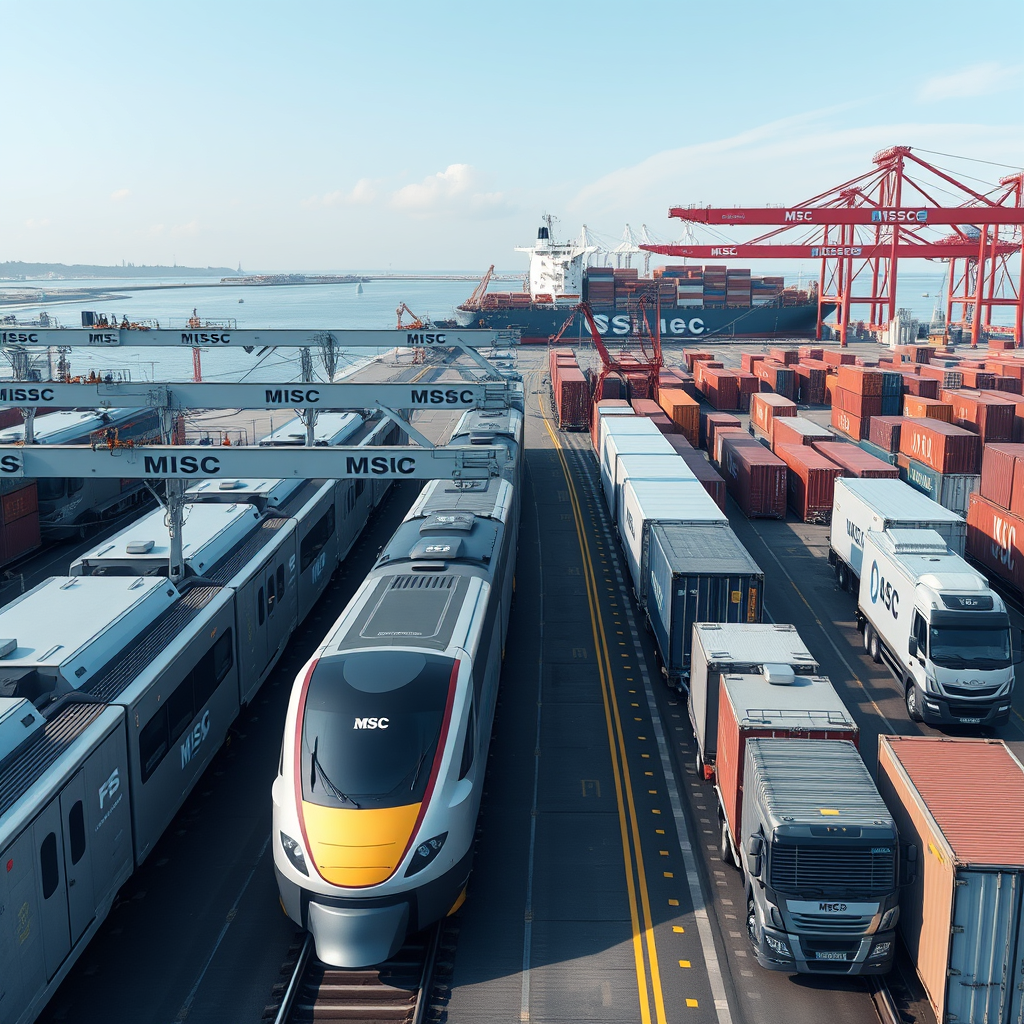
The Restructuring of European Freight Transport: A Strategic Alliance Between FS and MSC
The European freight transport landscape is undergoing a significant transformation, driven by the urgent need for more sustainable and efficient logistics solutions. Road transport, while currently dominant, faces increasing pressure from congestion, rising fuel costs, and growing environmental concerns. This article examines a pivotal development in this shift: the strategic partnership between Ferrovie dello Stato Italiane (FS) (Italian State Railways), and Mediterranean Shipping Company (MSC), a global shipping giant. This collaboration, formalized through a memorandum of understanding (MoU) and the creation of a new joint venture (“NewCo”), aims to significantly enhance rail freight capabilities across Italy and Europe, providing a robust alternative to road-based transportation. We will explore the rationale behind this alliance, its operational implications, and its potential impact on the broader European freight transport system, considering both the economic and environmental benefits. This analysis will delve into the specifics of the partnership structure, the planned expansion of terminal capacity, and the strategic goals of integrating sea, rail, and road transportation for a more efficient and environmentally conscious logistics network. The long-term viability and broader implications for the European rail freight market will also be assessed.
A NewCo for Enhanced Rail Freight Capacity
The core of the FS-MSC collaboration lies in the creation of a new company, jointly owned and operated by Mercitalia Logistics (a subsidiary of FS, holding 51%) and Medlog (a subsidiary of MSC, holding 49%). This structure leverages the complementary strengths of both partners: FS’s extensive rail network and operational expertise within Italy and beyond, combined with MSC’s global reach and experience in maritime logistics. The immediate goal is to expand freight transport capacity, especially along crucial corridors connecting Italian ports with Northern Europe. This expansion will not only increase the volume of goods transported by rail but also optimize the intermodal transfer between sea, rail, and road, reducing reliance on solely road-based transportation.
Strategic Integration of Multimodal Transport
The partnership’s success hinges on the seamless integration of different transport modes. By creating technologically advanced and environmentally friendly multimodal hubs, the initiative aims to streamline the flow of goods from seaports to inland destinations. This requires investment in infrastructure, improved interoperability between different transport systems, and the development of efficient logistics management systems. The emphasis on creating “technologically advanced and low-impact” terminals reflects a commitment to improving efficiency and minimizing environmental footprint. Effective coordination between sea, rail, and road transport is crucial, requiring sophisticated scheduling systems and improved information exchange to ensure timely delivery and reduce delays.
Economic and Environmental Impacts
The FS-MSC partnership promises significant economic and environmental benefits. By shifting freight from road to rail, the initiative addresses the challenges of road congestion and pollution. Rail transport is significantly more efficient in terms of fuel consumption and greenhouse gas emissions per tonne-kilometer than road transport. This shift reduces carbon emissions and improves air quality, contributing to Europe’s environmental sustainability goals. Economically, the increased capacity and efficiency of freight transport will lead to lower transportation costs and improved competitiveness for Italian and European businesses. The development of new multimodal hubs will also generate jobs and stimulate economic growth in local communities.
Conclusion
The collaboration between Ferrovie dello Stato Italiane (FS) and Mediterranean Shipping Company (MSC) represents a significant step towards modernizing European freight transport. The creation of the NewCo, a joint venture focused on expanding rail freight capacity and optimizing multimodal transport, is a strategic move to address both economic and environmental challenges. By leveraging the strengths of both partners – FS’s extensive rail network and MSC’s global logistics expertise – the initiative promises to increase efficiency, reduce reliance on road transport, and enhance the competitiveness of Italian and European businesses. The emphasis on creating environmentally friendly and technologically advanced multimodal hubs highlights a commitment to sustainability and long-term viability. This is not merely an expansion of rail freight capabilities; it is a restructuring of the entire European freight transport ecosystem, driving towards a more efficient, sustainable, and interconnected logistics network. The success of this venture will significantly impact the European freight transport sector, potentially setting a precedent for similar collaborations across the continent. The focus on intermodal transport integration and the reduction of reliance on road transport are key factors that will contribute towards a more resilient and environmentally conscious freight system. Ultimately, the success of this project will depend on the effective implementation of the partnership’s strategic plans and the seamless integration of different transport modes.

Railway infrastructure, rolling stock and transport technologies specialist focused on global rail industry developments, high-speed rail systems, signaling technologies and freight transportation. Covering railway investments, public transport modernization, rail operations and international mobility projects across Europe, Asia and North America.
RELATED POSTS

October 8, 2026 1:15 pm
Alstom secured a €1bn contract to build 13 automated trains,...

October 1, 2026 7:09 am
United States regulators confirmed a September 30 deadline for the...

October 4, 2026 5:14 pm
Alstom secured a CA$4.7 billion order from VIA Rail Canada...

October 1, 2026 12:13 am
Illinois approved $1.5 billion annually for the Northern Illinois Transit...

October 1, 2026 6:10 am
Amtrak approved a System Expansion Committee on July 30 to...

October 5, 2026 1:13 pm
New York MTA confirmed a late 2026 DEIS release for...