
FRA Tests Duos 125 MPH AI Railcar Inspection in Jacksonville
Duos Technologies demonstrated its 125 mph AI railcar inspection portal to FRA officials in Jacksonville, detecting defects within 60 seconds.
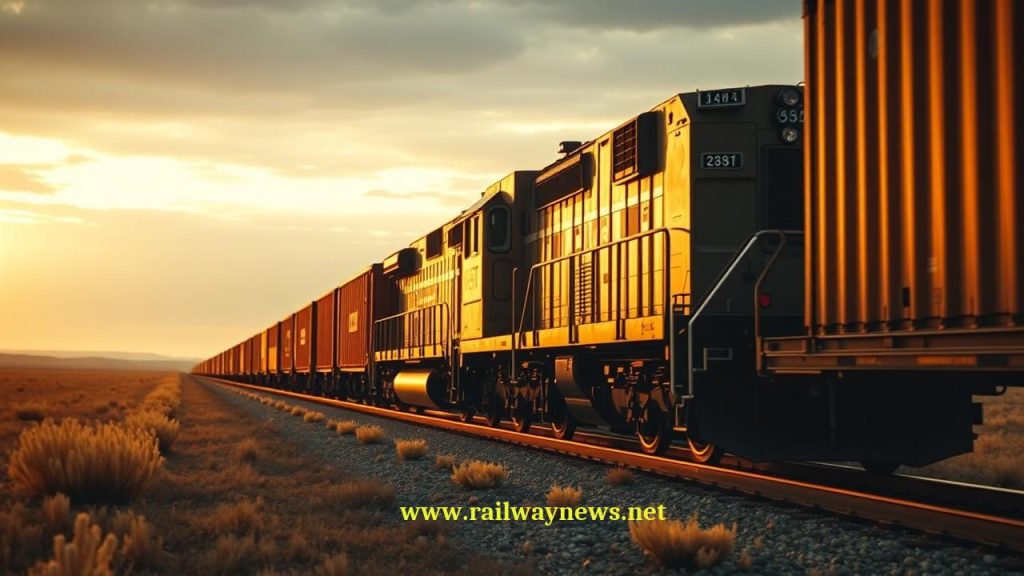
⚡ In Brief: Federal Railroad Administration officials, led by Administrator David Fink, evaluated Duos Technologies’ AI-powered Railcar Inspection Portal in Jacksonville, a system capable of detecting mechanical defects on trains at speeds up to 125 mph and issuing alerts within 60 seconds.
JACKSONVILLE, FL – Officials from the Federal Railroad Administration (FRA), including Administrator David Fink, recently toured the headquarters of Duos Technologies Inc. to assess the company’s automated inspection solutions. The visit focused on Duos’ Railcar Inspection Portal, which uses machine vision and artificial intelligence to analyze railcars for safety defects at speeds of up to 125 mph. This engagement highlights a growing collaboration between federal regulators and technology suppliers to modernize rail safety protocols.
What Are the Technical Specifications?
The Duos Railcar Inspection Portal (RIP) is an automated, trackside system that captures high-resolution images and sensor data from passing trains. Its core function is to use AI-driven software to analyze this data in near real-time, identifying potential mechanical defects on every car without requiring the train to stop or slow down. According to Duos, the system can process the data and alert an operator to potential safety issues, including conditions that could lead to a derailment, within 60 seconds of the train’s passage.
Key Technical Data
| Parameter | Value |
|---|---|
| Technology / System Name | Duos Railcar Inspection Portal (RIP) |
| Total Value | Not disclosed |
| Parties Involved | Duos Technologies Inc., Federal Railroad Administration (FRA) |
| Timeline / Completion | Ongoing Development / Demonstration |
| Country / Corridor | United States |
Where Does This Technology Stand in the Market?
Duos Technologies competes in the growing sector of automated and wayside rail inspection. Trimble’s Beena Vision division is a significant competitor, offering a detailed suite of wayside machine vision systems that monitor wheelsets, brakes, and other undercarriage components, with extensive deployments across North American Class I railroads. Another major provider, KLD Labs, offers specialized systems focused on high-precision measurement of wheel profiles and bogie components. While Duos’ stated 125 mph inspection speed is a key performance metric for mainline operations, market adoption often hinges on the sophistication of the defect detection algorithms and the ability to integrate with legacy railroad maintenance and operational software. (Source: Trimble, 2024; KLD Labs, 2024)
Editor’s Analysis
The FRA’s direct engagement with technology providers like Duos underscores a strategic shift towards proactive, data-driven safety oversight, likely accelerated by public and legislative pressure following recent derailments. The challenge for these technology firms is not just proving technical capability but also demonstrating a clear return on investment for rail operators through reduced manual inspection costs and prevention of costly service failures. While the Shipper Conditions Index is forecast to decline, potentially tightening capital expenditure, the non-negotiable demand for enhanced safety and supply chain integrity will continue to drive investment in these systems. (Source: FTR, 2024)
FAQ
Q: What specific defects can the Duos system detect?
A: The system’s machine vision and AI are designed to identify a range of mechanical faults, including issues with wheels, bearings, brake systems, couplers, and other critical undercarriage components. Its primary purpose is to flag anomalies that could precede a component failure or derailment.
Q: Is the FRA mandating the use of this technology?
A: No mandate for this specific system is in place. The visit by Administrator Fink and other officials is part of the FRA’s evaluation of new technologies that can enhance and supplement existing federal rail safety regulations.
Q: How does this automated inspection differ from traditional methods?
A: Automated portals inspect an entire train at mainline speeds, capturing detailed data without operational delays. Traditional methods require qualified personnel to manually inspect stationary railcars, which is more time-consuming and can be less consistent in detecting certain types of defects.

Railway infrastructure, rolling stock and transport technologies specialist focused on global rail industry developments, high-speed rail systems, signaling technologies and freight transportation. Covering railway investments, public transport modernization, rail operations and international mobility projects across Europe, Asia and North America.
RELATED POSTS

October 8, 2026 1:15 pm
Alstom secured a €1bn contract to build 13 automated trains,...

October 1, 2026 7:09 am
United States regulators confirmed a September 30 deadline for the...

October 8, 2026 12:18 pm
Siemens Mobility signed an agreement with VinSpeed to supply 350...

October 4, 2026 5:14 pm
Alstom secured a CA$4.7 billion order from VIA Rail Canada...

October 5, 2026 6:12 pm
AECOM and Jacobs secured a contract in September 2026 to...

October 1, 2026 12:13 am
Illinois approved $1.5 billion annually for the Northern Illinois Transit...