
Europe’s Rail Future: Modern Contracts & Infrastructure
Modernizing European rail? It’s all about upgrading infrastructure, innovative rolling stock, and smart contracts. Discover how!
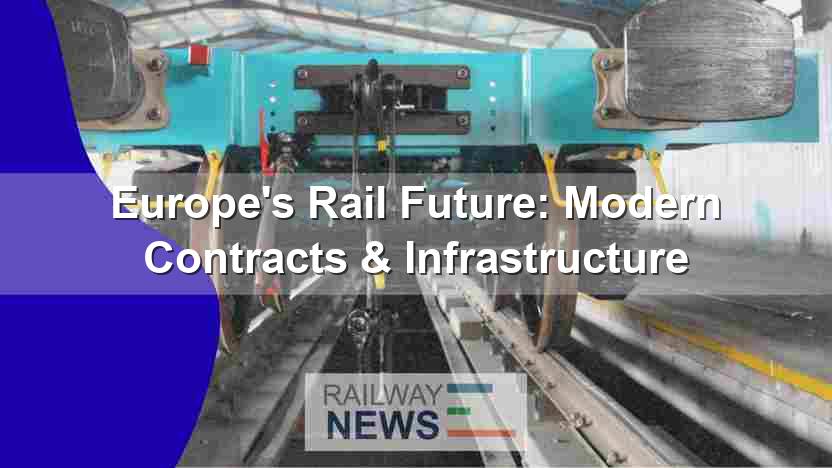
The European rail network faces a critical juncture, grappling with the challenges of aging infrastructure, increasing passenger demand, and the imperative for sustainability. This article explores the multifaceted strategies needed to modernize European rail systems, focusing on the crucial role of infrastructure upgrades, innovative rolling stock, and, crucially, the intricacies of modern railway contracts. The modernization of Europe’s railway infrastructure hinges on a combination of factors, including technological advancements, optimized operational procedures, and strategic partnerships. A robust framework for managing these aspects is vital to ensure the long-term viability and success of the entire system. This article will examine how these three elements intertwine, ultimately determining the efficacy of European rail travel.
Modernizing Infrastructure: Laying the Tracks for the Future
Outdated rail infrastructure poses significant limitations on operational efficiency and passenger experience. Modernizing existing lines necessitates significant investments in track renewal, signal upgrades, and electrification projects. Implementing advanced technologies, such as integrated signaling systems and precision-guided train control (PTG), can drastically reduce delays, improve punctuality, and enhance safety. These upgrades not only improve efficiency but also create opportunities for improved sustainability by reducing energy consumption through optimized scheduling and route selection. Moreover, the integration of advanced telematics systems throughout the infrastructure allows for real-time monitoring and proactive maintenance, minimizing disruptions and maximizing system uptime.
Innovative Rolling Stock: Embracing the Green Revolution
Modernizing the rolling stock is pivotal to enhancing the passenger experience and environmental impact. The introduction of electric multiple units (EMUs), high-speed trains, and advanced hybrid technologies is crucial. Focus should be placed on implementing lightweight materials and advanced aerodynamic designs for greater efficiency in electric and hybrid trains to minimize energy consumption. Additionally, a shift towards more environmentally friendly energy sources, like renewable energy integration and smart grid connections will enhance the overall sustainability of the European rail network. This will not only improve the experience for passengers but also reduce the carbon footprint of rail travel, aligning with broader environmental goals. Integrating intelligent train control systems into the rolling stock itself enhances safety and operational precision. This will allow for greater responsiveness to disruptions and optimize the performance of the overall rail network.
The Intricacies of Railway Contracts: Securing the Future
Successful modernization programs hinge on robust and detailed railway contracts. These contracts must adequately address various factors, including financial projections, risk management, and technological advancements. Effective contracts ensure clarity regarding responsibilities, deliverables, and potential contingencies. A well-structured contract should allow for future innovations and facilitate collaboration between parties (i.e. train operators and infrastructure managers). Additionally, transparent pricing mechanisms for construction, operation and maintenance, along with clear dispute resolution protocols, are essential for the long-term stability of projects. A focus on lifecycle costing of the proposed projects, integrating the environmental impact into cost assessments is crucial to create long-term economic viability of the projects. Proper risk assessment and mitigation strategies should be integrated to minimize unforeseen events. Additionally, the contract should clearly outline the responsibilities of all stakeholders, from the initial design phase through to the operational life of the project. These principles, enshrined in well-structured Rankin Railway contracts, provide the necessary framework for successful and sustainable infrastructure projects.
Conclusion: A Unified Approach to European Rail
The future of European rail depends on a holistic approach encompassing infrastructure upgrades, innovative rolling stock, and well-structured railway contracts. Modernizing Europe’s rail infrastructure requires significant investment in track renewal, signal upgrades, and electrification. A focus on sustainable energy sources, such as renewable energy and smart grid connections will be crucial to enhance the overall sustainability of the European rail network. Innovative rolling stock, including electric multiple units (EMUs) and high-speed trains, will enhance the passenger experience and reduce the environmental impact. Additionally, detailed contracts that address financial projections, risk management, and future developments are essential for successful modernization projects. The principles of Rankin Railway contracts, focusing on clear responsibilities, deliverables, risk assessment, and transparency, will be pivotal in building a robust and sustainable European rail network. Ultimately, a unified approach that prioritizes sustainability, efficiency, and passenger experience will propel European rail to a new era of success. Investing in a detailed strategy, encompassing the full life cycle of railway infrastructure and operations, will pave the way for a modernized, efficient, and environmentally conscious European rail system that meets the needs of both the present and future generations. Investing in such a system will result in substantial returns on investment across multiple sectors, and a highly competitive and advanced railway infrastructure will lead to the prosperity and stability of Europe.
You might be interested in:
Last November 2018, we published an article about Italy’s regional rail revolution using cutting-edge, low-emission DEMUs. Click here to read – Italy’s Rail Revolution: FNM & Stadler’s Green DEMUs

Railway infrastructure, rolling stock and transport technologies specialist focused on global rail industry developments, high-speed rail systems, signaling technologies and freight transportation. Covering railway investments, public transport modernization, rail operations and international mobility projects across Europe, Asia and North America.
RELATED POSTS

October 8, 2026 1:15 pm
Alstom secured a €1bn contract to build 13 automated trains,...

October 1, 2026 7:09 am
United States regulators confirmed a September 30 deadline for the...

October 8, 2026 12:18 pm
Siemens Mobility signed an agreement with VinSpeed to supply 350...

October 4, 2026 5:14 pm
Alstom secured a CA$4.7 billion order from VIA Rail Canada...

October 5, 2026 6:12 pm
AECOM and Jacobs secured a contract in September 2026 to...

October 1, 2026 12:13 am
Illinois approved $1.5 billion annually for the Northern Illinois Transit...