
Europe’s EN 16922: Unifying Rail Wastewater Standards
EN 16922 standardizes railway wastewater discharge equipment, ensuring interoperability, safety, and environmental protection. It details technical requirements for efficient, hygienic operations.
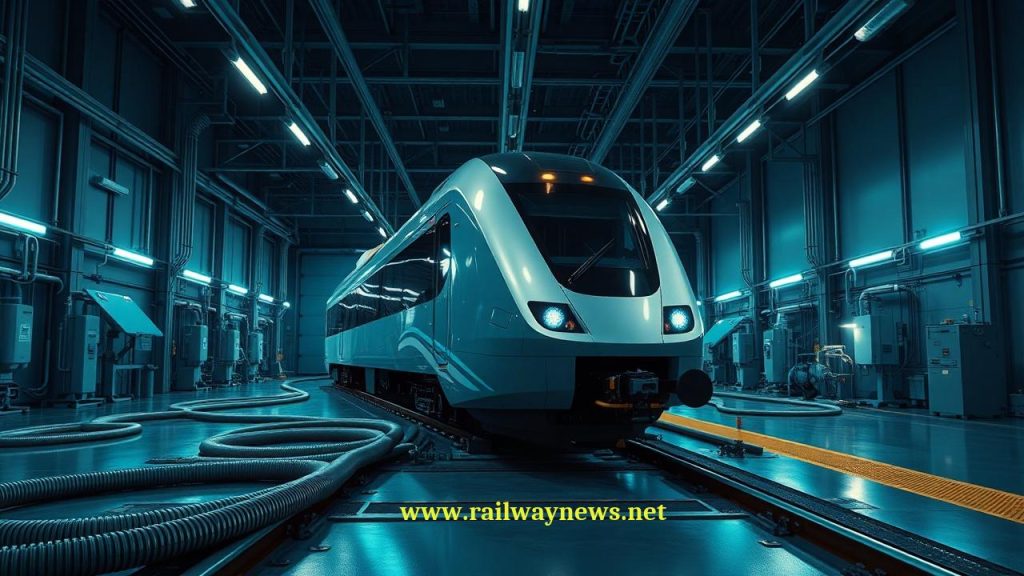
EN 16922: A Technical Guide to Railway Vehicle Wastewater Discharge Equipment
EN 16922 is a European Standard that specifies the technical requirements for the design, performance, and testing of ground-based equipment used for discharging wastewater from railway vehicles. This equipment, commonly known as Controlled Emission Toilets (CET) servicing units, is essential for maintaining hygiene and environmental standards in railway depots and servicing stations.
The primary goal of this standard is to ensure interoperability, safety, and efficiency. It establishes a uniform interface between the rolling stock’s wastewater tank and the ground-based suction equipment, allowing different trains to be serviced by the same infrastructure across various networks. This standardization is critical for the seamless operation of modern railway services.
Scope and Key Objectives of EN 16922
The standard applies to fixed, mobile, and semi-mobile ground-based units designed to empty wastewater tanks on railway vehicles. It meticulously defines the entire process, from the physical connection to the operational procedures. The core objectives include:
- Standardizing the Interface: To define a common physical and operational interface between the vehicle and the ground unit to guarantee compatibility.
- Ensuring Health and Safety: To protect operators and maintenance personnel from biological hazards and operational risks through mandated safety features and procedures.
- Protecting the Environment: To prevent spillage and uncontrolled release of wastewater, ensuring environmentally responsible disposal.
- Defining Performance Criteria: To establish minimum performance levels for suction power, flow rates, and operational reliability.
Core Technical Requirements and Specifications
EN 16922 is highly technical, detailing every aspect of the discharge equipment. The main requirements are broken down into several key areas, ensuring that all components work together as a safe and efficient system.
Interface and Connection System
The connection point is the most critical element for interoperability. The standard specifies the design of the suction nozzle and the corresponding vehicle outlet.
- Suction Nozzle: The standard outlines the precise dimensions, materials, and locking mechanism for the suction nozzle. It must create a secure, leak-proof seal with the vehicle’s discharge connection to prevent any spillage during the emptying process.
- Hoses: Hoses must be flexible, durable, and resistant to the corrosive nature of wastewater and cleaning agents. The standard specifies requirements for their length, diameter, and pressure ratings to ensure efficient flow and prevent blockages or bursts.
- Locking Mechanism: A secure coupling system is mandatory to prevent accidental disconnection during operation. This often involves a twist-and-lock mechanism that provides tactile and visual confirmation of a secure connection.
Pumping and Vacuum System
The heart of the discharge equipment is its vacuum system, which extracts the waste from the vehicle’s tank. EN 16922 sets clear performance benchmarks.
- Vacuum Level: The system must be capable of generating a sufficient vacuum to lift and transport the wastewater, including solid matter, from the vehicle tank into the ground unit’s collection tank.
- Flow Rate: Minimum flow rates are specified to ensure that the emptying process can be completed within a reasonable timeframe, minimizing vehicle downtime in the depot.
- System Protection: The vacuum pump must be protected from ingesting damaging foreign objects or liquids, often through filters and liquid separators.
Control Systems and Operational Safety
Operator safety is paramount. The standard mandates several control features and safety interlocks to minimize risks.
- User Interface: Controls must be simple, intuitive, and clearly labelled with universally recognizable symbols. This includes start/stop buttons, status indicators (e.g., “in progress,” “complete,” “fault”), and an emergency stop button.
- Emergency Stop: A clearly visible and easily accessible emergency stop function is required to immediately halt all operations in case of a malfunction or hazardous situation.
- Interlocks: The system may include safety interlocks that prevent the vacuum pump from activating until the suction nozzle is securely connected to the vehicle, preventing spillage and operator exposure.
- Spillage Containment: The design must incorporate features to contain minor drips and spills, such as a drip tray integrated into the nozzle holder.
Technical Specification Comparison Table
The following table outlines key technical features as specified or guided by EN 16922, highlighting their importance in a railway service environment.
| Component / Feature | EN 16922 Specification Details | Operational Rationale |
|---|---|---|
| Discharge Nozzle | Standardized dimensions, material (e.g., stainless steel), and sealing design for the connection point. | Ensures universal compatibility (interoperability) between any compliant vehicle and any compliant ground unit. Prevents leaks. |
| Vacuum System Performance | Defines minimum vacuum pressure and air flow rates required for effective waste extraction. | Guarantees quick and complete emptying of the vehicle’s tank, reducing service time and preventing blockages. |
| Hose Assembly | Specifies material durability, resistance to kinking, and adequate internal diameter. Must withstand operating pressures and external wear. | Ensures a reliable and long-lasting connection, maintaining flow efficiency and preventing failures that could cause spills. |
| Safety Interlocks | Requires mechanisms to prevent operation if the nozzle is not correctly attached or if a fault is detected. Mandates an emergency stop. | Protects personnel from accidental exposure to waste and prevents equipment damage or major spills. |
| Control Panel | Must be user-friendly with clear, robust controls and status indicators (LEDs, simple displays). | Reduces the risk of operator error, improves efficiency, and provides clear feedback on the status of the discharge process. |
| Material Requirements | Components in contact with wastewater must be made of corrosion-resistant materials. | Ensures a long service life for the equipment and prevents contamination from degraded parts. |
Hygiene and Maintenance
Beyond the discharge process, the standard also addresses the subsequent steps needed to maintain a hygienic environment. It includes requirements for rinsing the vehicle’s tank with water or disinfectant after emptying and for the self-cleaning capabilities of the ground equipment itself. Regular maintenance schedules and procedures are also recommended to ensure the equipment remains in safe and effective working order throughout its lifecycle.
Conclusion: The Importance of EN 16922
EN 16922 is a fundamental standard for the modern railway industry. By creating a unified and robust framework for wastewater discharge, it directly contributes to operational efficiency, personnel safety, and environmental responsibility. For rolling stock operators, infrastructure managers, and equipment manufacturers, adherence to EN 16922 is not just about compliance; it is about ensuring a reliable, safe, and interoperable system for one of the most essential ground-based services in railway operations.

Railway infrastructure, rolling stock and transport technologies specialist focused on global rail industry developments, high-speed rail systems, signaling technologies and freight transportation. Covering railway investments, public transport modernization, rail operations and international mobility projects across Europe, Asia and North America.