
Europe Adopts EN 16704-3: New Competence for Track Safety
EN 16704-3 sets the standard for trackside work safety competence. It ensures railway personnel possess critical knowledge, skills, and experience, preventing accidents and enhancing safety.
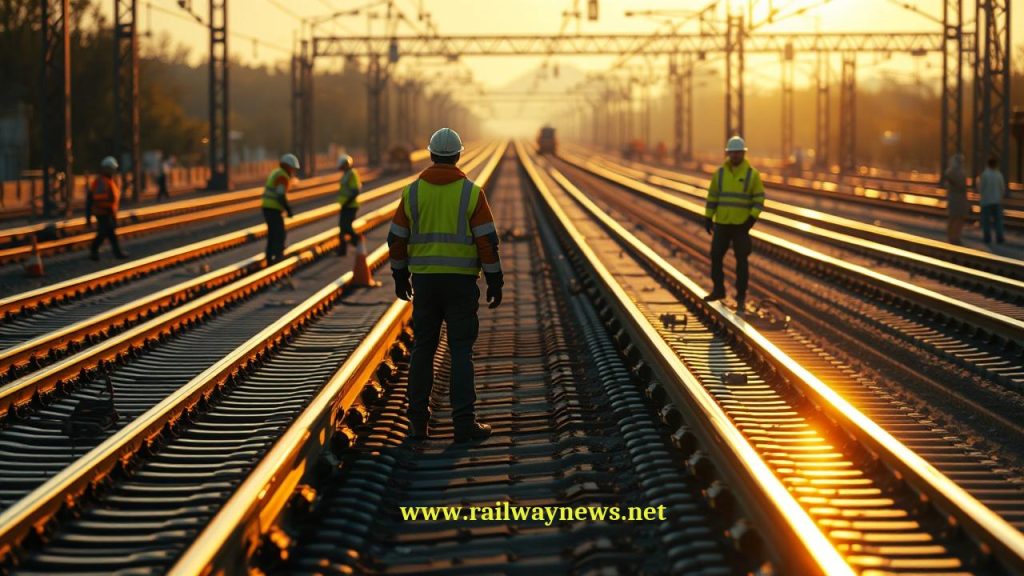
Understanding EN 16704-3: Competence Requirements for Trackside Work Safety
EN 16704-3 is a European Standard that specifies the minimum competence requirements for personnel responsible for, or involved in, safety protection on railway tracks during work. It forms a critical part of the EN 16704 series, which holistically addresses the safety of individuals working on or near the track.
While Part 1 of the standard details the general principles and Part 2 focuses on common solutions and technologies, Part 3 provides the human-centric framework. It ensures that every person, regardless of their role, possesses the verified knowledge, skills, and understanding necessary to mitigate the significant risks associated with the railway environment. The standard’s primary goal is to harmonize safety competencies across European networks, thereby reducing accidents and enhancing the overall safety culture.
Core Principles of EN 16704-3
The standard is built on a foundation of proactive risk management, moving away from a purely rule-based approach to a competence-based system. This means it’s not enough to simply know the rules; personnel must be able to apply them effectively in dynamic, and often hazardous, situations.
The Concept of ‘Competence’
Within EN 16704-3, competence is a multi-faceted concept comprising four key elements:
- Knowledge: The theoretical understanding of railway operations, safety procedures, regulations, and hazard identification.
- Skills: The practical ability to perform specific safety-related tasks, such as setting up a protected worksite, operating safety equipment, or acting as a lookout.
- Experience: The practical exposure to real-world railway environments that allows for the application of knowledge and skills under various conditions.
- Behavioural Attributes: Personal qualities such as vigilance, clear communication, assertiveness in safety matters, and a proactive safety mindset.
The Competence Management System (CMS)
A central requirement of EN 16704-3 is for railway Infrastructure Managers (IMs) and their contractors to establish and maintain a formal Competence Management System. This is a structured and documented process designed to ensure that all personnel remain competent for their assigned roles throughout their careers.
A typical CMS under this standard includes the following phases:
- Identification of Needs: Defining the specific competence requirements for each role involved in trackside work (e.g., track worker, lookout, person in charge of worksite safety).
- Training and Development: Providing initial and ongoing training programs that cover both theoretical knowledge and practical skills.
- Assessment: A formal process to verify that an individual has achieved the required level of competence. This can include written exams, practical demonstrations, and on-the-job observations.
- Certification: The formal issuing of a certificate or license that documents the individual’s proven competence for a specific role and its validity period.
- Monitoring and Re-assessment: Continuous monitoring of performance and periodic re-assessment to ensure that competence is maintained and updated in line with new regulations or technologies.
Key Roles and Competence Levels
EN 16704-3 mandates a clear definition of roles and responsibilities associated with trackside safety. While the exact titles may vary between national networks, the functions are standardized. The level of competence required is directly proportional to the level of risk and responsibility associated with the role.
Comparison of Key Trackside Safety Roles
The following table illustrates the different requirements for typical roles as defined within the spirit of the standard.
| Role / Function | Core Responsibility | Required Key Competencies | Example Task |
|---|---|---|---|
| Track Visitor / Person with Basic Awareness | To follow instructions and not endanger oneself or others. Requires accompaniment by a competent person. | Basic hazard awareness (moving trains, electrification). Understanding of safe routes and refuge points. Ability to follow verbal commands. | A non-railway surveyor being escorted to a measurement point near the track. |
| Track Worker | To perform assigned work safely within a protected worksite and be responsible for one’s own safety. | Full understanding of worksite protection rules. Ability to identify the limits of a safe zone. Knowledge of personal protective equipment (PPE) and emergency procedures. | Carrying out track maintenance (e.g., replacing a sleeper) inside a demarcated and protected area. |
| Lookout / Site Warden | To provide timely and unambiguous warnings of approaching trains to the workgroup. | Excellent vigilance and concentration. Knowledge of train speeds and sighting distances. Clear communication skills. Use of warning equipment (horns, flags). | Maintaining a constant watch for trains and sounding an audible alarm to allow the workgroup sufficient time to move to a position of safety. |
| Person in Charge of Worksite Safety (PICOWS) | Overall responsibility for implementing, maintaining, and revoking the safety arrangements for a worksite. | In-depth knowledge of all protection methods. Risk assessment skills. Leadership and decision-making abilities. Ability to brief the workgroup and liaise with the signaller. | Planning and setting up a protected worksite, briefing the entire team on the safety plan, and being the sole point of contact for safety matters. |
Implications for the Railway Sector
The adoption of EN 16704-3 has significant practical implications for the entire railway industry. It creates a common benchmark for safety competence, which is crucial for interoperability, especially for contractors and personnel who may work on different national networks.
- For Infrastructure Managers (IMs): They are responsible for implementing a compliant CMS and ensuring that all personnel, including those from contractor companies, meet the defined competence standards before being allowed to work on their infrastructure.
- For Contractors: They must invest in robust training and assessment programs for their employees to ensure they are certified to the levels required by the IMs. This standardizes expectations and simplifies the bidding process for cross-border projects.
- For Individuals: It provides a clear framework for career progression and personal responsibility. It empowers individuals to challenge unsafe practices and reinforces the importance of their role in the overall safety system.
Conclusion: A Foundation for a Safer Workforce
EN 16704-3 is more than just a regulatory document; it is a cornerstone of modern railway safety culture. By shifting the focus from simply following rules to demonstrating and maintaining competence, the standard ensures that the workforce is not only trained but is also prepared for the dynamic realities of the trackside environment. It establishes a robust, auditable system that holds organizations and individuals accountable, ultimately leading to a significant reduction in workplace accidents and fostering a shared commitment to safety across the European railway network.
Frequently Asked Questions (FAQ) about EN 16704-3

Railway infrastructure, rolling stock and transport technologies specialist focused on global rail industry developments, high-speed rail systems, signaling technologies and freight transportation. Covering railway investments, public transport modernization, rail operations and international mobility projects across Europe, Asia and North America.