
Elizabeth Line: Urgent Need for More Trains
Securing additional Class 345 trains for London’s Elizabeth line is essential for meeting projected passenger demand and ensuring the operational capacity of the Elizabeth line, while also safeguarding the economic viability of Alstom’s Derby factory. Delayed procurement risks undermining years of investment in critical railway infrastructure projects and subverting regional economic development goals connected to HS2.
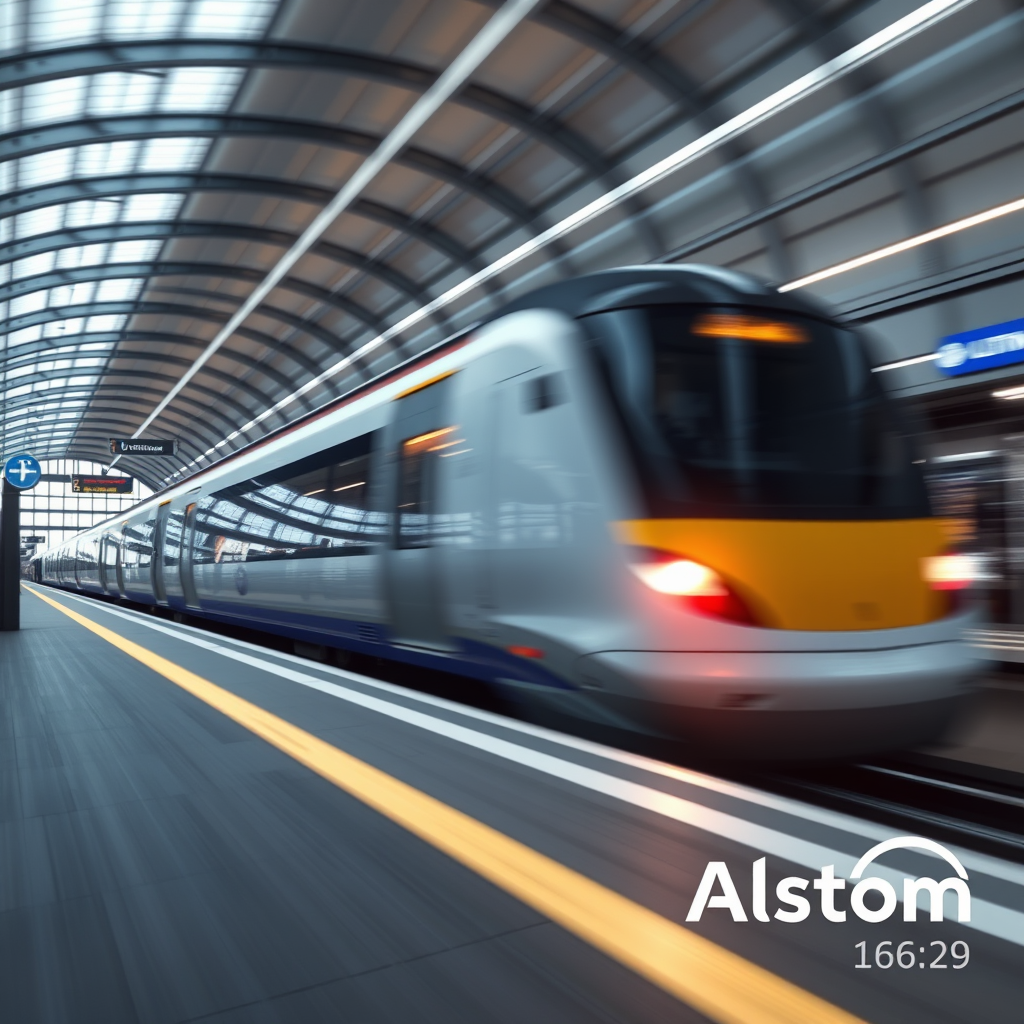
This article examines the urgent need for additional Class 345 trains on London’s Elizabeth line (Crossrail), highlighting the collaborative efforts of Transport for London (TfL), Alstom, and the Unite union to secure government funding for new rolling stock. The potential consequences of delaying this crucial investment are significant, impacting not only the operational capacity and passenger experience of the Elizabeth line, but also the economic viability of Alstom’s Derby factory and the overall success of the High-Speed 2 (HS2) project. This analysis explores the multifaceted implications of this situation, exploring the logistical challenges, economic ramifications, and the broader strategic importance of timely investment in railway infrastructure.
The current situation underscores the critical interplay between effective transport planning, industrial manufacturing capacity, and government funding decisions. The timely procurement of new rolling stock is not merely a matter of adding trains to a line; it’s a vital component in ensuring the Elizabeth line achieves its projected passenger capacity, supports the wider regional economic development goals connected to HS2, and safeguards skilled manufacturing jobs in the UK. Failure to act decisively risks undermining years of investment in crucial railway infrastructure projects.
The Urgent Need for Additional Rolling Stock
Transport for London (TfL) faces a critical capacity challenge on the Elizabeth line. The current fleet of Class 345 trains, while state-of-the-art, is insufficient to meet projected passenger demand, particularly with the integration of the HS2 network at Old Oak Common. This necessitates an immediate order for additional Class 345 trains to avoid significant operational limitations and a sub-optimal passenger experience. Delaying the order will directly impact the ability of the Elizabeth line to effectively serve its intended purpose: providing rapid transit across London and seamless connectivity to the national high-speed rail network.
Alstom’s Derby Factory: A Crucial Manufacturing Hub
The timely procurement of new trains is not just about the Elizabeth line; it is intrinsically linked to the economic health of Alstom’s Litchurch Lane factory in Derby. Alstom, a leading manufacturer of railway rolling stock, is facing a significant production gap due to delays in orders, significantly those related to HS2. The order for additional Elizabeth line trains represents a critical opportunity to maintain production at the Derby factory, safeguarding over 1300 jobs and preserving vital manufacturing expertise. The loss of this production window could result in the demobilisation of Alstom’s production facilities for the Aventra platform, causing irreversible damage to UK manufacturing capabilities in the rail sector.
The Strategic Importance of HS2 Integration at Old Oak Common
The successful integration of HS2 with the Elizabeth line at Old Oak Common is fundamental to the overall success of both projects. The Elizabeth line acts as a crucial feeder line, providing crucial connections between HS2 and wider London. Relying on existing Elizabeth line services to handle the expected increased passenger volume from HS2 would significantly undermine the capacity and efficiency gains promised by the high-speed rail project. Therefore, providing sufficient rolling stock for the Elizabeth line is not just a standalone issue; it is a critical component in ensuring the realization of the ambitious goals of HS2. Failing to address this issue risks severely compromising the benefits of this significant infrastructure investment.
The Call for Government Intervention and the Economic Impact
The joint letter from TfL, Alstom, and Unite to the UK Transport Secretary highlights the urgent need for government intervention to secure funding for the new trains. The request is not merely a matter of providing additional capacity; it’s a strategic decision with significant economic and social consequences. The funding commitment will prevent job losses at Alstom’s Derby factory, stimulate economic activity through the manufacturing process, and ensure the seamless operational integration of HS2 at Old Oak Common. The failure to provide timely funding will not only compromise the Elizabeth line’s operational efficiency and the broader HS2 vision but also send a detrimental signal to UK manufacturing and the rail industry, potentially impacting future investment and job creation in the sector.
Conclusions
The collaborative plea from TfL, Alstom, and Unite underscores the urgent need for decisive action regarding the procurement of additional Class 345 trains for the Elizabeth line. The situation highlights the complex interdependencies within the rail industry, demonstrating how decisions regarding funding, manufacturing capacity, and infrastructure planning have far-reaching consequences. Delaying the order poses significant risks to both the Elizabeth line’s operational capacity, jeopardizing its ability to meet projected passenger demand and integrate seamlessly with HS2 at Old Oak Common. Additionally, this delay would cause considerable damage to Alstom’s Derby factory, leading to potential job losses and a decline in UK manufacturing capabilities within the rail sector. This situation calls for a rapid and decisive response from the UK government. The funding commitment is not only crucial for ensuring the operational success of the Elizabeth line and the strategic goals of HS2 but also for safeguarding thousands of skilled manufacturing jobs and supporting the continued growth of the UK rail industry. The economic and social implications of inaction are considerable, and the opportunity presented by this order to bolster manufacturing capabilities and achieve wider strategic infrastructural objectives should not be squandered. The government’s swift action is vital to ensure the long-term success of these critical national infrastructure projects.

Railway infrastructure, rolling stock and transport technologies specialist focused on global rail industry developments, high-speed rail systems, signaling technologies and freight transportation. Covering railway investments, public transport modernization, rail operations and international mobility projects across Europe, Asia and North America.
RELATED POSTS

October 8, 2026 1:15 pm
Alstom secured a €1bn contract to build 13 automated trains,...

October 1, 2026 7:09 am
United States regulators confirmed a September 30 deadline for the...

October 4, 2026 5:14 pm
Alstom secured a CA$4.7 billion order from VIA Rail Canada...

October 8, 2026 12:18 pm
Siemens Mobility signed an agreement with VinSpeed to supply 350...

October 5, 2026 6:12 pm
AECOM and Jacobs secured a contract in September 2026 to...

October 4, 2026 11:08 pm
Sound Transit confirmed the September 30 opening of Seattle Pinehurst...