
EasyRailFreight: Revolutionizing Italian Rail Freight
EasyRailFreight is a revolutionary digital platform designed to streamline and optimize Italy’s intermodal freight sector by addressing inefficiencies in information asymmetry, route planning, capacity management, performance analysis, and promoting sustainability through carbon footprint assessment.
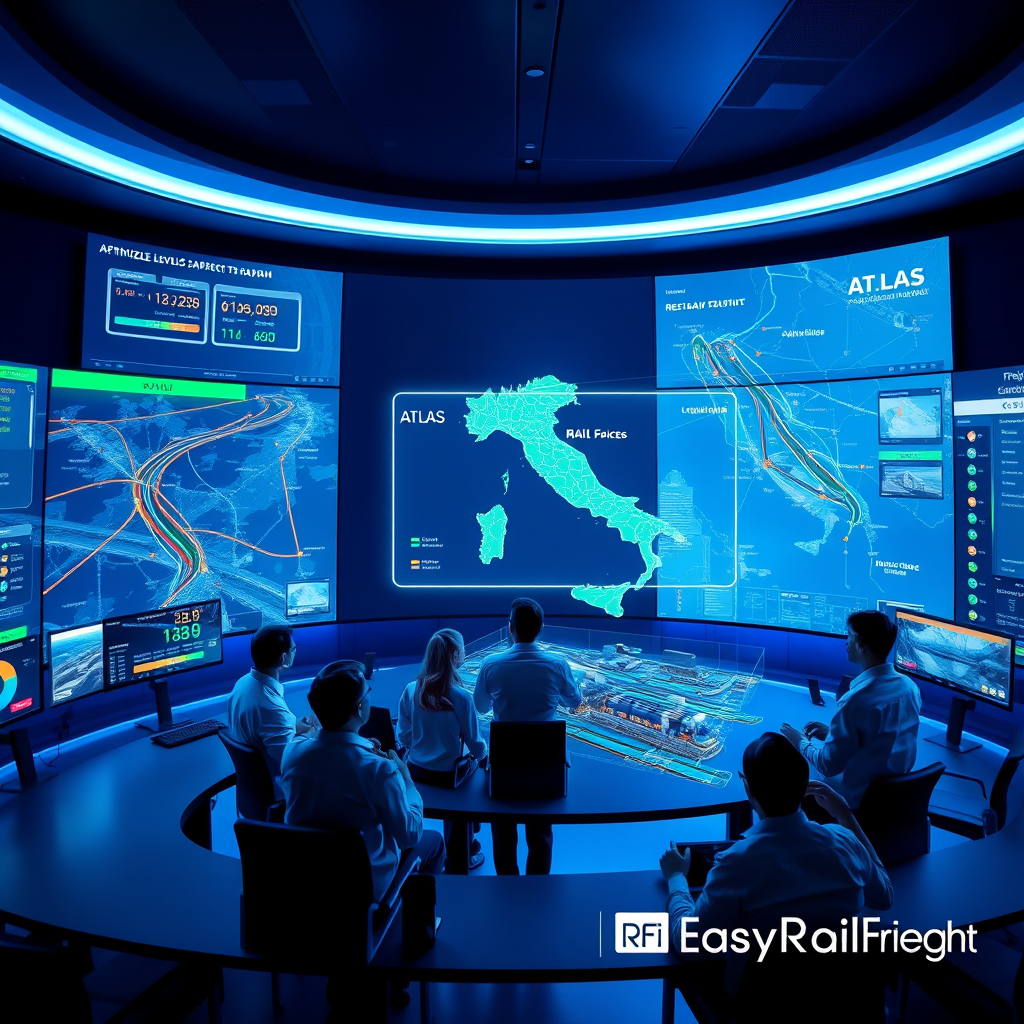
Italy’s railway infrastructure manager, RFI (Rete Ferroviaria Italiana), has unveiled EasyRailFreight, a groundbreaking digital platform designed to streamline and optimize the nation’s intermodal freight sector. This detailed application aims to address longstanding inefficiencies within the Italian logistics chain, leveraging technology to enhance transparency, efficiency, and sustainability. The platform tackles key challenges including information asymmetry across various stakeholders – rail operators, road hauliers, terminal operators, and shippers – and the lack of a centralized system for route planning, capacity management, and performance analysis. This article will delve into the key features and functionalities of EasyRailFreight, analyzing its potential impact on the Italian rail freight industry and its contribution to broader national objectives related to decarbonization and economic growth. We will examine the platform’s modular design, focusing on its core components and how they integrate to create a cohesive and powerful tool for managing intermodal transportation. Finally, we will discuss the broader implications of EasyRailFreight, assessing its potential for wider adoption and adaptation in other countries facing similar logistical challenges.
Service Showcase: Route Optimization and Carbon Footprint Assessment
The “Service Showcase” module provides a centralized repository of available rail freight services. Logistics providers can access real-time information regarding available routes, capacity, and transit times. Critically, this module incorporates a carbon footprint calculator, allowing users to compare the environmental impact of intermodal rail transport versus road-only options. This feature directly supports Italy’s decarbonization goals by incentivizing the shift from road to rail freight. The detailed information and comparative analysis empower companies to make informed decisions based on cost, efficiency, and environmental considerations, promoting a more sustainable approach to logistics.
AT.LAS (Logistics Atlas of Assets and Services): A Holistic View of the Italian Logistics Network
The AT.LAS module (Logistics Atlas of Assets and Services) functions as a detailed digital map of Italy’s logistics infrastructure. It visually represents the connections between industrial sites, freight terminals, and rail lines, providing a dynamic overview of service frequency and route popularity. This real-time visualization aids in understanding network capacity, identifying bottlenecks, and optimizing route planning. By providing a holistic view of the entire logistics network, AT.LAS empowers users to make more strategic decisions, enhancing efficiency and facilitating collaborative planning among different stakeholders within the supply chain.
Eco/Ferrobonus Reporting and Performance Analysis: Streamlining Operations and Supporting Sustainability Initiatives
The Eco/Ferrobonus Reporting module simplifies the process of accessing government support programs designed to incentivize sustainable transportation practices. This module streamlines access to funding and resources for companies investing in intermodal solutions. Alongside this, the integrated performance analysis tools offer detailed data on service performance. Users can track key metrics, identify areas for improvement, and generate targeted reports on traffic flows and volumes. This data-driven approach allows for continuous improvement and promotes accountability across the entire transportation chain. The combination of support mechanisms and performance monitoring fosters a culture of efficiency and sustainability.
Conclusion: A Catalyst for Transformation in Italian Rail Freight
EasyRailFreight represents a significant advancement in the digitalization of Italy’s intermodal freight sector. By providing a centralized, integrated platform that connects all key stakeholders, the system addresses critical challenges in transparency, efficiency, and sustainability. The modular design of the platform, encompassing route optimization (Service Showcase), network visualization (AT.LAS), and performance analysis (Eco/Ferrobonus Reporting), ensures its adaptability to the diverse needs of the industry. The inclusion of a carbon footprint calculator actively promotes the shift from road to rail, aligning with Italy’s decarbonization objectives. The success of EasyRailFreight hinges not only on its technological capabilities but also on the level of industry adoption and collaboration. RFI’s role as a facilitator and integrator is key to ensuring widespread uptake and maximizing the platform’s potential. The potential for replication in other countries with similar logistical challenges is significant, demonstrating the wider applicability of this innovative approach to intermodal freight management. The platform’s ability to improve efficiency, reduce environmental impact, and stimulate economic growth positions EasyRailFreight as a powerful catalyst for transformation in the Italian rail freight industry and potentially a model for international best practices in sustainable logistics.

Railway infrastructure, rolling stock and transport technologies specialist focused on global rail industry developments, high-speed rail systems, signaling technologies and freight transportation. Covering railway investments, public transport modernization, rail operations and international mobility projects across Europe, Asia and North America.
RELATED POSTS

October 8, 2026 1:15 pm
Alstom secured a €1bn contract to build 13 automated trains,...

October 1, 2026 7:09 am
United States regulators confirmed a September 30 deadline for the...

October 8, 2026 12:18 pm
Siemens Mobility signed an agreement with VinSpeed to supply 350...

October 4, 2026 5:14 pm
Alstom secured a CA$4.7 billion order from VIA Rail Canada...

October 5, 2026 6:12 pm
AECOM and Jacobs secured a contract in September 2026 to...

October 4, 2026 11:08 pm
Sound Transit confirmed the September 30 opening of Seattle Pinehurst...