
Dutch Rail Freight: 2023’s 10% Decline, Causes & Outlook
The decline in Dutch rail freight traffic by 10%, particularly affecting coal and intermodal transport, was primarily driven by a 18% drop in volume from 9.7 million tonnes to 7.9 million tonnes in 2023, influenced by global economic factors, geopolitical events, and shifts in energy markets following the Russian invasion of Ukraine.
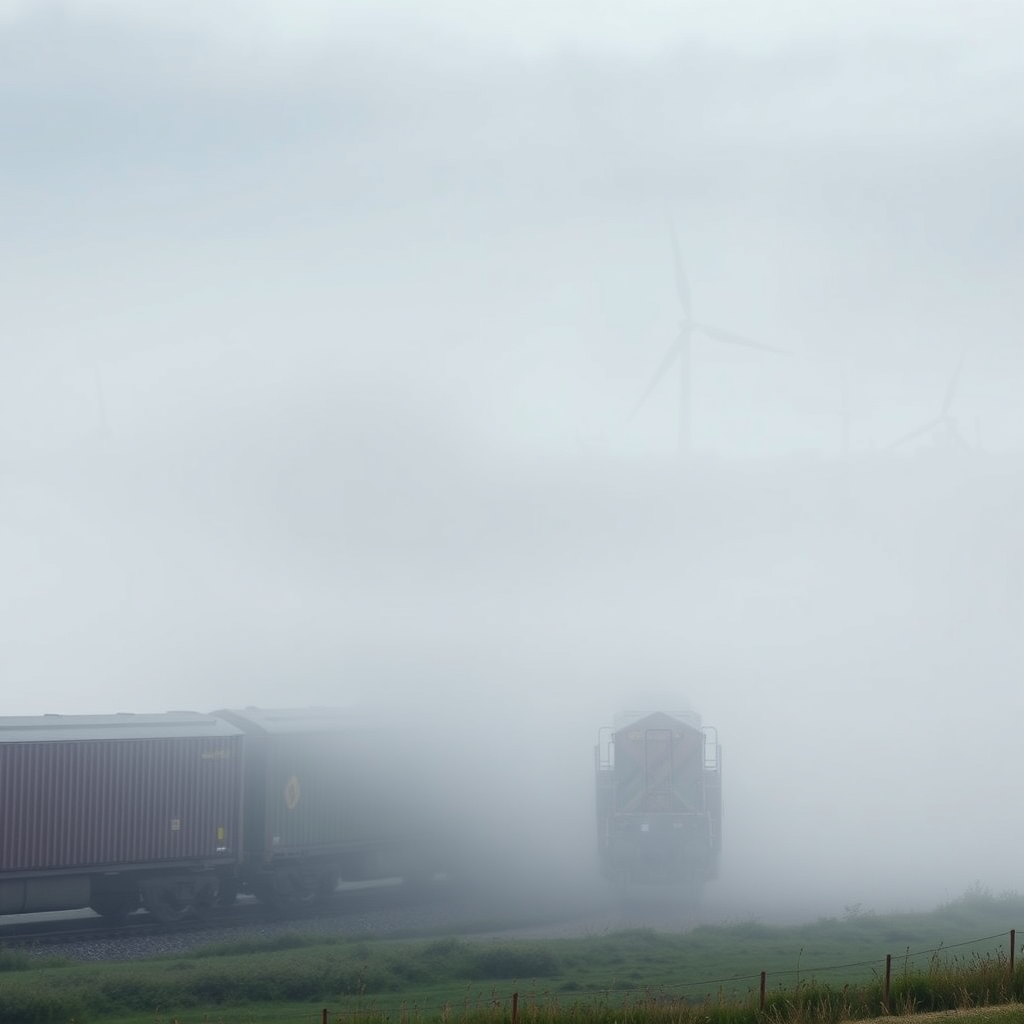
This article analyzes the 10% decrease in Dutch rail freight traffic reported by ProRail (the Dutch railway infrastructure manager) in 2023. The decline, impacting both coal and intermodal transport, is examined in the context of global economic factors and the shifting energy landscape following the Russian invasion of Ukraine. We will explore the impact on key ports, particularly Rotterdam, and consider potential implications for the future of rail freight in the Netherlands. The analysis explores the specific challenges faced by the sector and offers potential strategies for recovery and future growth. This examination considers the interplay between geopolitical events, economic downturns, and the efficiency of the Dutch rail freight network.
The Impact of Geopolitical Events on Coal Transportation
The significant reduction in coal transportation by rail played a considerable role in the overall decline. The increased demand for coal in 2022, stemming from the sanctions imposed on Russian natural gas following the Ukraine invasion, created a surge in imports. This spike, however, proved unsustainable. In 2023, a decrease in coal demand led to a substantial drop in rail freight volume (from 9.7 million tonnes in 2022 to 7.9 million tonnes in 2023), representing an 18% decrease. This highlights the vulnerability of rail freight to fluctuations in global energy markets and the geopolitical factors influencing these markets.
The Decline in Intermodal Traffic
The reduction in intermodal (combined transport using multiple modes) traffic, falling 8% year-on-year to 17.8 million tonnes, further contributed to the overall decline in rail freight. This downturn reflects broader global economic challenges. Reduced manufacturing output, decreased consumer spending, and supply chain disruptions all contributed to the decrease in the demand for intermodal transport services. The interconnectedness of global supply chains meant that economic slowdowns in other regions impacted the volume of goods transported through the Netherlands, resulting in lower rail freight demand.
The Port of Rotterdam: A Crucial Hub Under Pressure
Despite the overall decline, the Port of Rotterdam (the largest port in Europe) remained a critical hub for Dutch rail freight. With 35,000 trains moving 28.1 million tonnes of cargo, its importance is undeniable. However, even Rotterdam experienced an 8% year-on-year decrease, reflecting the broader industry downturn. The port’s continued significance underscores the necessity of efficient rail connections for maintaining its position as a major European logistics center. Investments in infrastructure, operational efficiency, and strategies to attract new cargo types are crucial to mitigate future declines and enhance the port’s competitiveness.
Challenges and Future Outlook for Dutch Rail Freight
The 10% drop in rail freight traffic highlights several key challenges facing the Dutch rail freight industry. These include vulnerability to global energy market fluctuations, sensitivity to global economic downturns, and the need for constant innovation and efficiency improvements to remain competitive. Addressing these challenges requires a multi-faceted approach. This could involve diversification of cargo types to reduce reliance on coal and other volatile commodities, investments in infrastructure upgrades to improve capacity and efficiency, and collaborative efforts between stakeholders to streamline processes and enhance competitiveness. Exploring new technologies, such as centralized train control systems (CTCS), can also improve network efficiency and capacity. The development of innovative cargo securing arrangements also plays a crucial role in ensuring safe and efficient transportation.
Conclusions
The 10% decline in Dutch rail freight traffic in 2023, as reported by ProRail, underscores the complex interplay between geopolitical events, global economic conditions, and the performance of the rail freight sector. The significant decrease in coal transportation, a direct consequence of the energy market shifts following the Russian invasion of Ukraine, compounded the impact of the broader global economic slowdown, which affected intermodal traffic. While the Port of Rotterdam maintained its crucial role, even this major hub experienced a noticeable decline, reflecting the industry-wide trend. Looking ahead, the Dutch rail freight industry must address several key challenges to ensure its future viability. These include reducing dependence on volatile commodities, improving infrastructure, streamlining operations, and adopting innovative technologies. Investing in sustainable and efficient freight solutions, such as improved intermodal connectivity and the implementation of advanced technologies like centralized train control systems (CTCS), will be critical for attracting new business and ensuring the long-term competitiveness of the Dutch rail freight network. Further diversification of cargo types beyond coal, combined with strategic partnerships and investments in modernization, will be essential for the sector’s recovery and future growth. Only through proactive adaptation and strategic planning can the Dutch rail freight system effectively navigate future uncertainties and maintain its vital role in the nation’s economy.

Railway infrastructure, rolling stock and transport technologies specialist focused on global rail industry developments, high-speed rail systems, signaling technologies and freight transportation. Covering railway investments, public transport modernization, rail operations and international mobility projects across Europe, Asia and North America.
RELATED POSTS

October 1, 2026 7:09 am
United States regulators confirmed a September 30 deadline for the...

October 4, 2026 5:14 pm
Alstom secured a CA$4.7 billion order from VIA Rail Canada...

October 6, 2026 2:14 am
Union Pacific launched export rail shipments with Ferromex to deliver...
October 1, 2026 3:12 am
Greenbrier confirmed Brian Comstock as new president and CEO effective...
October 1, 2026 7:09 pm
FRA ordered US rail operators to obey 5 restricted speed...
October 1, 2026 10:14 am
HS2 installed a 55-metre steel span in Birmingham, completing phase...