
DB InfraGO Confirms 12.6% Track Access Fee Hike in Germany
DB InfraGO confirmed a 12.6% track access fee hike in Germany, raising rail freight rates to €3.92 per train kilometre for the 2027 network timetable.
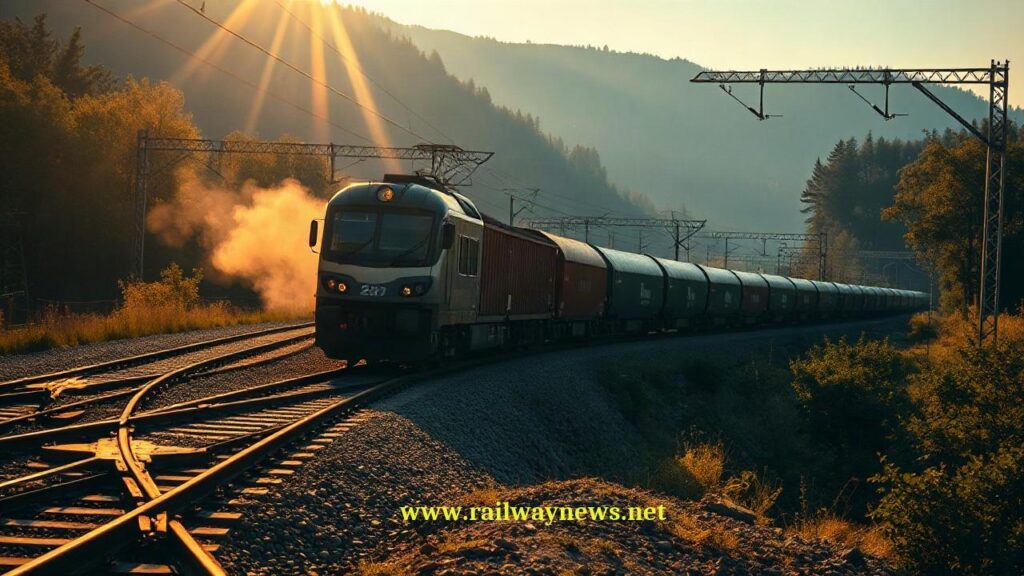
⚡ In Brief: DB InfraGO has proposed a 12.6% increase in German rail freight track access charges to €3.92 per train-kilometre for 2027, potentially adding €112 million in annual operating costs across the rail freight sector.
BERLIN, GERMANY – German rail infrastructure manager DB InfraGO submitted a draft pricing schedule seeking a 12.6% increase in standard rail freight track access fees for the 2027 timetable year. The proposal raises baseline tariffs from €3.48 to €3.92 per train-kilometre, adding an estimated €112 million to annual operating expenses across the sector. Industry association Die Güterbahnen condemned the tariff hike as a threat to modal shift targets amid multi-year traffic downturns.
What Does This Regulation Cover?
The proposed regulatory tariff adjustment sets baseline train-path pricing for standard freight operations across the federal rail network for the 2027 timetable period. Under the plan, freight operators will pay €0.44 more per train-kilometre than the baseline rate applied in 2026. The increase follows an earlier intervention by the Federal Network Agency, which reduced 2026 track access charges by 12% following an EU court judgment on allowable infrastructure expenditure (Source: Federal Network Agency, 2026). In addition to higher baseline track fees, rail freight operators face a planned €40 million federal reduction in federal track access subsidies, compounding gross cost increases for commercial carriers. Operators have been required to reserve 2027 network paths since March without binding confirmation of final approved pricing levels. The definitive timeline for the Federal Network Agency’s final determination on the 2027 tariff was not disclosed at the time of publication.
Key Regulatory Data
| Parameter | Value |
|---|---|
| Regulation / Policy Name | DB InfraGO Track Access Charges (TPS 2027) |
| Total Value | €112 million annual cost impact |
| Parties Involved | DB InfraGO, Federal Network Agency (BNetzA), Die Güterbahnen |
| Timeline / Completion | December 2026 timetable implementation |
| Country / Corridor | Germany / Federal Rail Network and Rhine Corridor |
How Does This Compare to Global Standards?
European rail networks increasingly link track access fees directly to market bearance, whereas DB InfraGO relies on cost-plus infrastructure recovery models that shift financial shortfalls onto operating carriers. German rail freight transport performance fell by 5.4% during 2025 as industrial demand softened and mainline construction increased network bottlenecks (Source: Federal Network Agency, 2026). International volumes across trans-Eurasian corridors similarly contracted, reflected by a 25% drop in Germany-China rail freight volumes in 2025 (Source: Upply, 2026). While long-term European projections forecast rail freight expansion at a compound annual growth rate of 7.4% through 2033 driven by decarbonisation mandates, escalating access fees decouple German rail from international competitiveness (Source: Market Data Forecast, 2026). In contrast to German tariff inflation, international benchmarks in neighbouring transit territories maintain long-term multi-year charge freezes to protect intermodal cargo retention during economic downturns.
Editor’s Analysis
Imposing a double-digit rate hike on freight paths directly contradicts federal climate targets aimed at moving 25% of commercial transport to track by 2030. Escalating track access fees reduce the viability of rail along the Rhine corridor just as shallow river drafts force bulk shippers to source alternative surface transport. If the Federal Network Agency approves DB InfraGO’s proposal without corresponding state subsidies, intermodal volumes will divert back to road transport networks across Central Europe (Source: Rail Market, 2026).
FAQ
Q: Why is DB InfraGO seeking to raise track access charges in 2027?
A: DB InfraGO is seeking to recover infrastructure maintenance and capital costs through regulated train-path charges following revisions to its cost-allocation framework. The proposed change raises the standard freight rate from €3.48 to €3.92 per train-kilometre.
Q: When will the Federal Network Agency make a final ruling on the proposed fees?
A: A specific ruling date was not officially confirmed by the regulatory authority. Die Güterbahnen expects the final determination will occur shortly before the international timetable change in December 2026.
Q: How does this cost increase affect Rhine freight diversions?
A: Shippers seeking rail options during seasonal low water on the Rhine will face higher baseline costs per train-kilometre. DB Cargo had committed 400 additional wagons to assist waterway diversions, but higher access charges threaten the commercial viability of these relief services.

Railway infrastructure, rolling stock and transport technologies specialist focused on global rail industry developments, high-speed rail systems, signaling technologies and freight transportation. Covering railway investments, public transport modernization, rail operations and international mobility projects across Europe, Asia and North America.
RELATED POSTS

October 8, 2026 1:15 pm
Alstom secured a €1bn contract to build 13 automated trains,...

October 1, 2026 7:09 am
United States regulators confirmed a September 30 deadline for the...

October 4, 2026 5:14 pm
Alstom secured a CA$4.7 billion order from VIA Rail Canada...

October 1, 2026 12:13 am
Illinois approved $1.5 billion annually for the Northern Illinois Transit...

October 5, 2026 6:12 pm
AECOM and Jacobs secured a contract in September 2026 to...

October 1, 2026 6:10 am
Amtrak approved a System Expansion Committee on July 30 to...