
CTDOT Awards $20M Freight Rail Upgrades Six Railroads
CTDOT awarded $20 million in state grants to upgrade freight rail infrastructure on six Connecticut railroads.
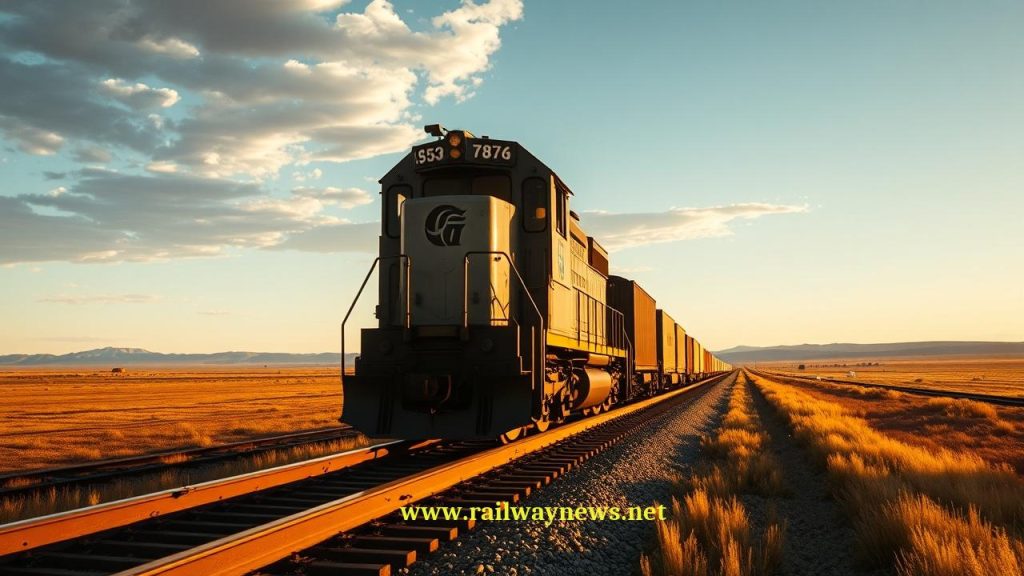
⚡ In Brief: The Connecticut Department of Transportation has awarded $20 million in state grants, leveraged with nearly $4 million in private capital, to upgrade infrastructure on six freight railroads to enhance supply chain resilience.
HARTFORD, USA – The Connecticut Department of Transportation (CTDOT) has allocated $20 million in state grants for critical safety, expansion, and reliability projects across six freight railroads. The state funding is being supplemented by nearly $4 million in private investment from the recipient railroad companies. This initiative is designed to strengthen the state’s freight infrastructure and improve supply chain efficiency.
How Is the Funding Structured?
The total investment pool for this initiative is approximately $24 million, combining public grants with private matching funds. One of the six recipients, the Providence and Worcester Railroad (P&W), will receive $4,911,520 to upgrade its Wethersfield secondary line. The P&W project includes replacing rail and four grade crossing surfaces to accommodate heavier freight cars up to 286,000 pounds. The identities of the other five railroad recipients and the specifics of their projects were not disclosed in the initial announcement.
Key Funding Data
| Parameter | Value |
|---|---|
| Fund / Programme Name | CTDOT Freight Rail Improvement Grants |
| Total Value | ~$24,000,000 (State: $20,000,000; Private: ~$4,000,000) |
| Parties Involved | CTDOT, Providence and Worcester Railroad, five other undisclosed railroads |
| Timeline / Completion | Not disclosed |
| Country / Corridor | USA / Connecticut |
How Does This Compare to Similar Funding Programs?
This $24 million state-level program represents a significant, targeted investment in regional freight infrastructure. For scale comparison, individual railway-related service contracts are often much smaller; for example, Monarch Surveyors and Engineering Consultants received a contract for structural design services in India valued at approximately $900,000 USD (Source: EquityBulls, 2026). While focused on passenger transit, major public transport investments in the region operate on a far larger scale, such as the multi-billion-dollar procurement by New York’s MTA to replace over 2,000 subway cars (Source: The New York Times, 2026), highlighting the difference in capital allocation between state freight upgrades and major metropolitan passenger projects.
Editor’s Analysis
Connecticut’s investment in its freight rail network is a direct response to increasing pressures on the national supply chain. With the national average diesel price recently topping $5 per gallon, the economic case for shifting freight from road to rail has become more compelling for shippers (Source: Logistics Management, 2026). By upgrading tracks to handle heavier, more efficient 286,000-pound rail cars, CTDOT is positioning the state’s industries to capitalize on rail’s lower per-ton-mile cost and reduce reliance on a volatile trucking market. This move aligns with a broader strategy to enhance economic competitiveness by building more resilient and cost-effective logistics infrastructure.
FAQ
Q: Which railroads received funding from this program?
A: The Providence and Worcester Railroad was publicly named as a recipient of a $4.9 million grant. The other five railroad companies receiving funds were not identified in the initial CTDOT announcement.
Q: What is the primary goal of the Providence and Worcester Railroad project?
A: The project aims to upgrade the Wethersfield secondary line by replacing rail, ties, and grade crossings. This will increase the line’s capacity to handle modern, fully-loaded freight cars weighing up to 286,000 pounds.
Q: What is the expected impact on Connecticut’s economy?
A: According to CTDOT Commissioner Garrett Eucalitto, the investments are intended to make the supply chain more resilient, create jobs, and establish a stronger system for future commerce by improving freight infrastructure.

Railway infrastructure, rolling stock and transport technologies specialist focused on global rail industry developments, high-speed rail systems, signaling technologies and freight transportation. Covering railway investments, public transport modernization, rail operations and international mobility projects across Europe, Asia and North America.
RELATED POSTS

October 1, 2026 7:09 am
United States regulators confirmed a September 30 deadline for the...

October 4, 2026 5:14 pm
Alstom secured a CA$4.7 billion order from VIA Rail Canada...

October 1, 2026 12:13 am
Illinois approved $1.5 billion annually for the Northern Illinois Transit...

October 6, 2026 2:14 am
Union Pacific launched export rail shipments with Ferromex to deliver...

October 1, 2026 6:10 am
Amtrak approved a System Expansion Committee on July 30 to...
October 1, 2026 3:12 am
Greenbrier confirmed Brian Comstock as new president and CEO effective...