
CRRC Launches 160 km/h Type A EMUs Ningbo Metro
CRRC’s 160 km/h Type A EMUs for Ningbo Lines 10/12: 1,010 passenger capacity, 4.28-ton weight cut, 15% energy savings, PMSM traction, and aerodynamic design. Deployed 2026.
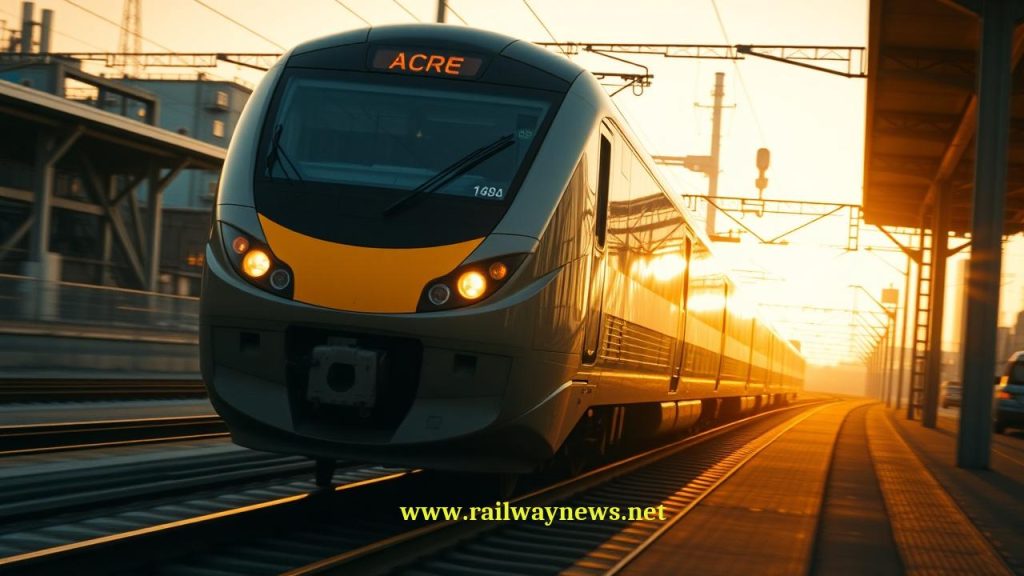
⚡ In Brief: CRRC unveiled new 160 km/h Type A commuter EMUs for Ningbo Metro’s Lines 10 and 12 in April 2026, featuring a 15% reduction in energy consumption compared to conventional models.
NINGBO, CHINA – In April 2026, CRRC and Ningbo Rail Transit unveiled new electric multiple units (EMUs) for the city’s upcoming Lines 10 and 12. These standard Type A commuter trains are designed for a maximum operating speed of 160 km/h. The new rolling stock is part of China’s first demonstration project for this class of high-speed commuter train.
What Are the Technical Specifications?
The CRRC EMUs are designed for high-speed commuter service, achieving a 4.28-ton weight reduction per vehicle through optimized structural design and advanced materials. Key specifications include a 5% decrease in aerodynamic drag and a 15% reduction in total energy consumption. The use of a permanent magnet synchronous motor traction system contributes to a 14% reduction in traction energy use. The total number of trainsets ordered for this project was not disclosed.
Key Technical Data
| Parameter | Value |
|---|---|
| Technology / System Name | CRRC Standard Type A Commuter EMU (Ningbo) |
| Total Value | Not disclosed |
| Parties Involved | CRRC, Ningbo Rail Transit |
| Timeline / Completion | Unveiled April 2026; commissioning for Lines 10 & 12 |
| Country / Corridor | China / Ningbo Metro |
Where Does This Technology Stand in the Market?
The 160 km/h operating speed of CRRC’s new commuter train places it in direct competition with major international EMU platforms used for similar regional services. For instance, Siemens’ Mireo platform, widely deployed in Germany, operates at speeds up to 160 km/h and is also marketed on its energy efficiency and lightweight design. (Source: Siemens Mobility, 2024). Similarly, Alstom’s Coradia Stream family offers variants for regional transport that can reach 160-200 km/h, serving markets across Europe, including Italy and the Netherlands. (Source: Alstom, 2024). While CRRC dominates its domestic market, these new specifications demonstrate its capacity to match the performance benchmarks set by established European manufacturers for high-speed commuter rail.
Editor’s Analysis
This unveiling in Ningbo is a clear example of China’s dual strategy: advancing domestic urban transit capabilities while building a portfolio for international export. The specific performance metrics—lighter weight, lower energy use, and higher speed—are tailored to compete on the global stage. This aligns with China’s broader infrastructure diplomacy, such as its 2025 offer of rail technology to Vietnam, positioning CRRC as a detailed solution provider for developing rail networks. (Source: Reuters, 2025).
FAQ
Q: What makes these Ningbo trains different from typical metro trains?
A: These are high-speed commuter trains with a maximum speed of 160 km/h, designed for longer cross-city journeys. This is significantly faster than typical urban metro trains, which usually operate between 80-100 km/h.
Q: What is a “Type A” train in China’s standards?
A: A “Type A” train refers to the vehicle’s dimensions, typically being wider (around 3 meters) and longer than other types, which allows for higher passenger capacity. The standardization is part of a national effort to streamline production and maintenance for urban rail systems.
Q: Will this technology be used in other Chinese cities?
A: As this is China’s first demonstration project for this specific class of commuter train, its successful implementation in Ningbo will likely lead to its adoption in other major metropolitan areas planning similar high-speed suburban lines.

Transport and railway industry editor covering global rail infrastructure, sustainable mobility, urban transit systems and next-generation railway technologies with a focus on accessible and industry-focused reporting.
RELATED POSTS

October 1, 2026 7:09 am
United States regulators confirmed a September 30 deadline for the...

October 8, 2026 1:15 pm
Alstom secured a €1bn contract to build 13 automated trains,...

October 4, 2026 5:14 pm
Alstom secured a CA$4.7 billion order from VIA Rail Canada...

October 1, 2026 12:13 am
Illinois approved $1.5 billion annually for the Northern Illinois Transit...

October 6, 2026 2:14 am
Union Pacific launched export rail shipments with Ferromex to deliver...

October 1, 2026 6:10 am
Amtrak approved a System Expansion Committee on July 30 to...