
CrossCountry’s Used Trains: Capacity Boost or Compromise?
This article explores CrossCountry’s expansion strategy by leasing twelve Bombardier Voyager trains from Beacon Rail, highlighting the complex interplay between financial constraints, environmental concerns, and operational challenges in maintaining a reliable and efficient rail network.
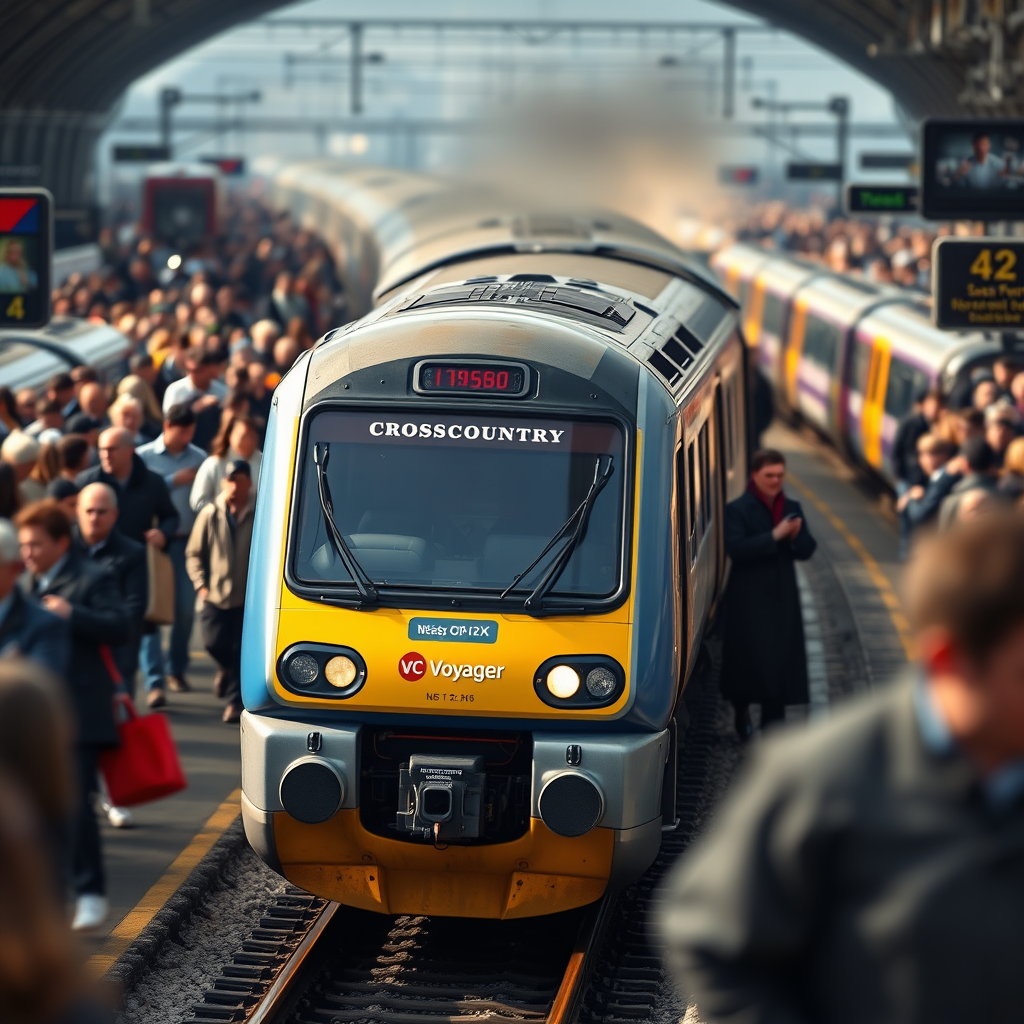
This article examines the recent decision by CrossCountry, a major UK train operating company (TOC), to expand its fleet with twelve used Bombardier Voyager trains. This strategic move, while seemingly aimed at increasing capacity and addressing passenger crowding, raises several key issues within the railway industry. The acquisition of second-hand rolling stock highlights the complex interplay between financial constraints, environmental concerns, and the operational realities of maintaining a reliable and efficient rail network. We will analyze the factors influencing this decision, exploring the economic considerations, the environmental implications of using existing diesel locomotives, and the broader operational challenges associated with integrating additional rolling stock into an existing timetable. Finally, we will assess the long-term sustainability and effectiveness of such a strategy in improving passenger experience and overall network efficiency.
Fleet Expansion and Capacity Enhancement
CrossCountry’s decision to lease twelve additional Bombardier Voyager (Class 220/221) trains from Beacon Rail underscores the immediate need for increased capacity on its busiest routes. The addition of these trains, initially five, and later an additional seven, will significantly boost seating capacity, reaching up to 36,000 seats per week by 2025. This expansion directly addresses the growing passenger demand and aims to alleviate overcrowding, a persistent issue affecting many long-distance rail services. However, the decision to simultaneously cut portions of its timetable, despite the increased capacity, suggests a complex optimization challenge involving route allocation, crew scheduling, and maintenance constraints.
Economic and Operational Considerations
The financial aspects of this acquisition are significant. While the exact cost and lease duration remain undisclosed, CrossCountry emphasizes the economic advantages of leasing existing rolling stock. The cost of procuring, modifying, and deploying new trains far outweighs the cost of refurbishing and integrating used rolling stock, especially considering the training and integration costs associated with a completely new fleet. The decision highlights the strategic importance of optimizing existing assets and leveraging existing rolling stock agreements, offering significant cost savings compared to procuring brand new trains.
Environmental Implications and Sustainability
The use of diesel-powered Voyager trains raises environmental concerns. The decision to lease existing diesel locomotives instead of investing in newer, more environmentally friendly electric trains necessitates a critical examination of the short-term versus long-term environmental impact. While the added capacity improves the overall passenger experience, the continued reliance on diesel technology contradicts the industry’s broader movement towards sustainable rail transport. CrossCountry justifies this choice based on the best value for money, considering the significant cost and time required for implementing a fleet of electric trains, but this approach highlights the ongoing tension between immediate operational needs and long-term sustainability goals.
Operational Challenges and Timetable Optimization
Integrating twelve additional trains into CrossCountry’s existing network presents a complex operational challenge. Effective timetable planning, crew scheduling, maintenance allocation, and overall network optimization are crucial to maximize the benefits of the increased capacity. The decision to simultaneously cut back on certain services, despite increased capacity, suggests that operational challenges and limitations exist. This highlights the limitations inherent in simply adding more trains without a holistic review and optimization of the entire network infrastructure and operational practices.
Conclusions
CrossCountry’s decision to expand its fleet with used Bombardier Voyager trains represents a multifaceted strategic maneuver within the complex landscape of the UK rail network. The acquisition offers a short-term solution to increasing passenger capacity and alleviating overcrowding on key routes, demonstrating a pragmatic approach to leveraging existing assets and optimizing budgetary resources. The significant cost savings associated with leasing second-hand rolling stock compared to procuring new trains, particularly considering the associated training costs, makes this a financially prudent decision. However, the decision is not without its drawbacks. The continued reliance on diesel technology presents a significant environmental challenge, highlighting the ongoing tension between short-term economic gains and long-term sustainability goals within the rail industry. Additionally, the complexities of integrating additional rolling stock into an existing network, as evidenced by the simultaneous timetable cuts, emphasizes the need for holistic network planning and optimization to fully realize the benefits of increased capacity. The long-term effectiveness of this strategy will depend on successful integration into the existing operational framework and a future commitment to sustainable fleet renewal, potentially incorporating electric rolling stock to reduce carbon emissions and move toward a greener future. The decision serves as a case study in the balancing act between economic pragmatism and environmental responsibility within a highly regulated and complex industry.

Railway infrastructure, rolling stock and transport technologies specialist focused on global rail industry developments, high-speed rail systems, signaling technologies and freight transportation. Covering railway investments, public transport modernization, rail operations and international mobility projects across Europe, Asia and North America.
RELATED POSTS

October 4, 2026 5:14 pm
Alstom secured a CA$4.7 billion order from VIA Rail Canada...
October 1, 2026 10:14 am
HS2 installed a 55-metre steel span in Birmingham, completing phase...
October 9, 2026 3:11 pm
Wabtec secured a $700 million service deal in Guinea to...

October 1, 2026 3:12 am
Greenbrier confirmed Brian Comstock as new president and CEO effective...
October 1, 2026 8:12 am
Knorr-Bremse expanded its UK rail adhesion trial on Chiltern Railways...
October 9, 2026 6:15 am
Transflo launched a 40 railcar transload terminal in Petersburg, Virginia,...