
China Railway’s High-Speed Rail: Global Impact & Trends
From steam engines to high-speed rail, railway systems are constantly evolving. Discover how modern advancements in infrastructure and technology are shaping the future of global rail.
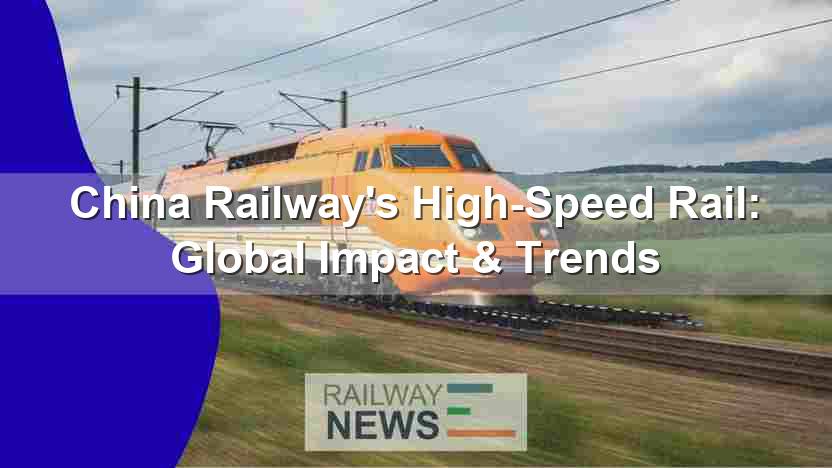
The global railway network is a testament to human ingenuity and a crucial component of modern transportation. From the steam-powered locomotives of the Industrial Revolution to the high-speed rail lines of today, railways have continuously evolved to meet the demands of increasing passenger and freight traffic. This article explores the fascinating journey of railway systems, examining the key technological advancements, operational strategies, and the crucial role of infrastructure development in shaping the modern railway landscape. We will delve into the intricacies of signaling systems, the importance of maintenance procedures, and the future of railway technology. The incorporation of advanced technologies like AI and automation, along with the growing demand for sustainable solutions, will be assessed to understand the path forward for these vital systems. The article also examines the impact of specific regional developments, such as the rapid expansion of rail networks in emerging economies like China. This examination is crucial for understanding the global context of railway evolution.
The Foundation: Traditional Railway Infrastructure
The development of the modern railway system relied heavily on the creation of a robust infrastructure. Early railways often utilized simple track layouts and rudimentary signaling systems. This chapter explores the evolution of track design, from the initial construction methods to the sophisticated rail systems of today, discussing the materials used, ballast systems, and the importance of precise alignment. Early signaling relied on visual and auditory cues, gradually progressing to more sophisticated electric and electronic systems. We will examine the pivotal role of track maintenance in ensuring safety and efficiency, along with the crucial interplay between train speed and infrastructure strength.
The Rise of Modernization: Technological Advancements
The 20th century witnessed a significant leap in railway technology, marked by the development of electrification and automation. This chapter explores the impact of electric traction on railway performance, its benefits, and the associated challenges in terms of infrastructure upgrades. The transition to electronic signaling and automatic train control systems dramatically improved safety and efficiency, allowing for higher speeds and increased train frequency. The chapter explores the specifics of modern communication systems (e.g., GSM-R), enabling real-time train control and data acquisition. This modernization paved the way for the development of high-speed rail networks, a testament to advancements in material science and railway engineering.
The Future is Now: Sustainable Solutions and Smart Rail
The future of railways hinges on sustainability and technological innovation. This chapter examines the integration of alternative energy sources in railway operations, from electric locomotives to hydrogen-powered engines, emphasizing the importance of minimizing environmental impact. A crucial component is the integration of intelligent systems, such as advanced train control systems, predictive maintenance strategies using AI, and the introduction of smart ticketing and passenger information systems. This evolution includes the analysis of new signaling and communication technologies, exploring the possibilities of wireless communication and advanced data processing capabilities for enhanced efficiency and safety.
Regional Developments and the Global Landscape: China Railway New Rail Transit Vehicle
The growth of rail networks in emerging economies, significantly China, is reshaping the global railway landscape. This chapter analyzes the rapid expansion of high-speed rail in China, highlighting the challenges and benefits of such large-scale infrastructure projects. We will examine the unique strategies employed by China to develop and deploy their high-speed railway lines, including financing models, construction techniques, and the introduction of innovative vehicle designs like the China Railway New Rail Transit Vehicle. This discussion also touches on the global implications of this growth, from knowledge transfer to the adoption of Chinese technology in other parts of the world.
Conclusions
The evolution of railway systems is a remarkable tale of continuous innovation and adaptation. From the rudimentary beginnings of steam-powered locomotives to the sophisticated, high-speed rail networks of today, railways have consistently risen to meet the demands of ever-increasing travel and freight needs. This journey has involved significant advancements in infrastructure development, signaling technology, and operational procedures. The integration of modern technologies, like AI and automation, promises to further enhance safety, efficiency, and sustainability in the future. Additionally, regional initiatives, such as China’s remarkable growth in high-speed rail, are reshaping the global landscape. These developments highlight the crucial role of railway systems in facilitating economic growth and promoting connectivity within and between nations. The future of railways is poised to be even more exciting, with the continued push towards sustainable energy sources, intelligent systems, and a focus on improving the passenger experience. The China Railway New Rail Transit Vehicle, for example, showcases the forward-thinking nature of the industry. The introduction of new technologies, coupled with a focus on sustainable practices, ensures that railways will remain a cornerstone of global transportation for generations to come. This evolution, in its complexity and scale, reflects the dedication of railway professionals and engineers worldwide to innovate, improve, and advance this vital mode of transport.
You might be interested in:
Last April 2019, we published an article about immersive VR training for railway safety. Click here to read – VR Revolutionizes Rail Training: Avanti West Coast’s Success

Railway infrastructure, rolling stock and transport technologies specialist focused on global rail industry developments, high-speed rail systems, signaling technologies and freight transportation. Covering railway investments, public transport modernization, rail operations and international mobility projects across Europe, Asia and North America.
RELATED POSTS

October 1, 2026 7:09 am
United States regulators confirmed a September 30 deadline for the...

October 8, 2026 1:15 pm
Alstom secured a €1bn contract to build 13 automated trains,...

October 4, 2026 5:14 pm
Alstom secured a CA$4.7 billion order from VIA Rail Canada...

October 1, 2026 12:13 am
Illinois approved $1.5 billion annually for the Northern Illinois Transit...

October 6, 2026 2:14 am
Union Pacific launched export rail shipments with Ferromex to deliver...

October 1, 2026 6:10 am
Amtrak approved a System Expansion Committee on July 30 to...