
Caltrain Electrification: Q4 2024 Launch, Sustainability & More
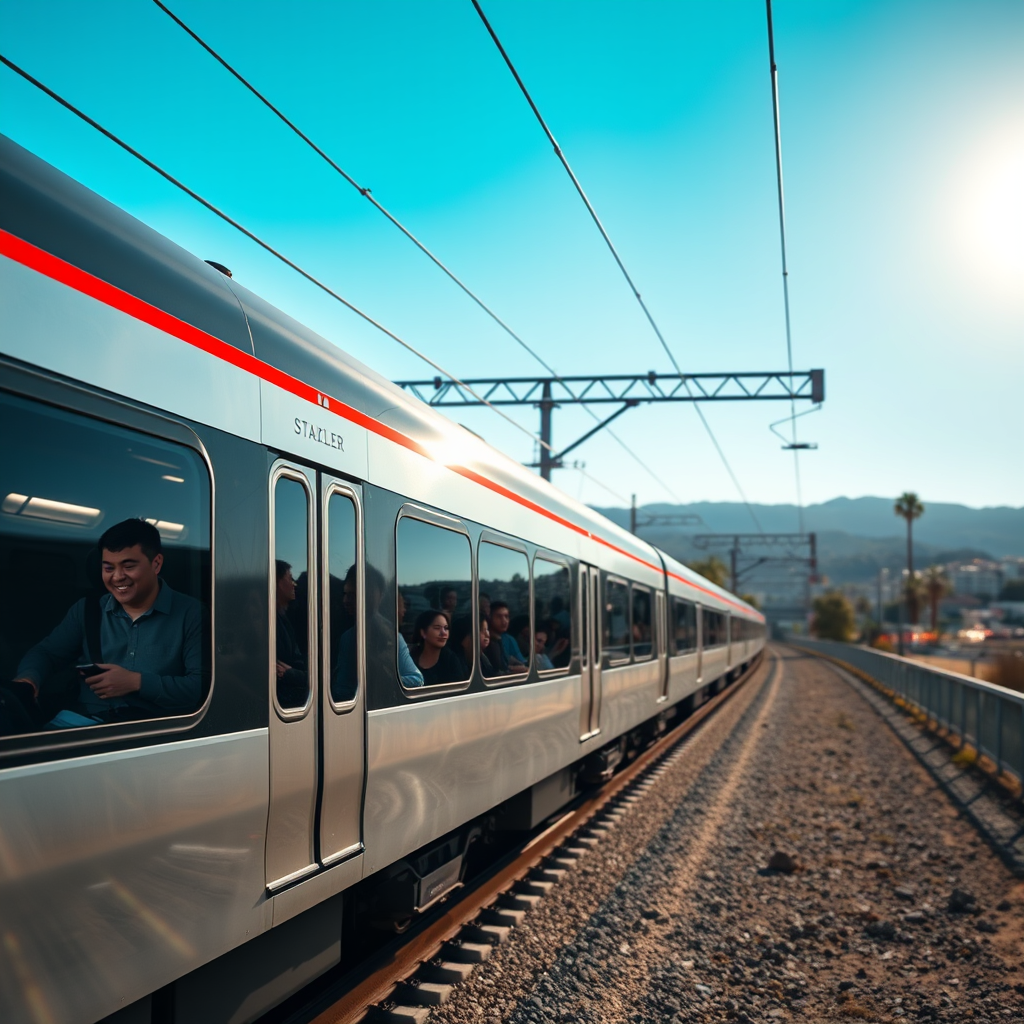
The successful completion of Caltrain’s electrification project, featuring Stadler-built EMU trainsets integrated with upgraded catenary systems, marks a pivotal moment for sustainable transportation in California, promising substantial reductions in greenhouse gas emissions and noise pollution while enhancing service frequency and ridership capacity.
Introduction
This article examines the significant progress and implications of the Caltrain electrification project in California. The project, touted as the first major diesel-to-electric conversion of a passenger rail line in North America in decades, represents a substantial leap forward in sustainable transportation and operational efficiency. The successful completion of recent testing phases, encompassing both the new Electric Multiple Unit (EMU) trainsets manufactured by Stadler and the upgraded catenary system, signals the imminent launch of electrified service in the fourth quarter of 2024. This transition promises not only a significant reduction in greenhouse gas emissions and noise pollution but also a substantial increase in service frequency and overall ridership capacity. The successful implementation of this project serves as a model for other aging diesel-powered rail lines looking to modernize and enhance their sustainability profiles. The following sections will delve into the technical aspects of the project, its environmental benefits, and the operational improvements it will bring to Caltrain’s service.
EMU Trainset Testing and Catenary System Integration
The core of the Caltrain electrification project centers on the deployment of Stadler-built EMU trainsets. Extensive testing, including runs between Redwood City and Mountain View at speeds ranging from 20 to 79 mph (32 to 127 km/h), has validated the seamless integration of these units with the newly installed catenary system (overhead power lines). Over 25 successful test runs during dedicated weekend periods demonstrate the reliability and performance of both the trains and the infrastructure. This rigorous testing phase is a crucial step toward obtaining the necessary certifications for full-scale passenger operation. The successful completion of these tests underscores the project’s adherence to its planned timeline, paving the way for the launch of the electrified service in Q4 2024. The focus on rigorous testing ensures a safe and efficient transition to electric operation.
Environmental Impact and Sustainability
A primary driver behind the Caltrain electrification project is the urgent need to reduce the environmental footprint of the rail system. The transition from diesel locomotives to electric EMUs will drastically reduce exhaust emissions, leading to a significant decrease in greenhouse gas emissions and improved air quality along the Caltrain corridor. Beyond reduced emissions, the project also addresses noise pollution. While the quieter operation of electric trains offers a considerable environmental benefit, Caltrain management has rightly highlighted the need for increased public awareness regarding safety around quieter trains, advising pedestrians to exercise caution at crossings.
Operational Improvements and Increased Capacity
The electrification project is not solely focused on environmental improvements; it also promises significant operational enhancements. The new EMUs and the upgraded infrastructure will allow for a considerable increase in service frequency. Caltrain anticipates doubling weekend service, significantly improving accessibility and convenience for passengers. This expanded capacity directly responds to the growing demand for rail transit in the region and will alleviate congestion by providing more frequent and reliable service options. The increased efficiency and reliability of the electric system will also contribute to improved on-time performance and overall operational efficiency.
Safety Considerations and Public Awareness
The shift to quieter electric trains necessitates a renewed focus on public safety. The reduced noise level of EMUs compared to diesel locomotives presents a unique challenge, potentially leading to decreased awareness of approaching trains for pedestrians and drivers at crossings. Caltrain is actively addressing this by launching public awareness campaigns emphasizing the importance of exercising extra caution at rail crossings and waiting for gates to fully raise before crossing. This proactive approach demonstrates a commitment to safety and responsible implementation of the new technology. This is crucial, given the increased service frequency that the project facilitates, and the higher risk of collisions due to less audible train approaching.
Conclusions
The Caltrain electrification project represents a landmark achievement in sustainable transportation and rail modernization. The successful completion of the testing phase, demonstrating the seamless integration of the new EMU trainsets and the upgraded catenary system, firmly places the project on track for its Q4 2024 launch. The project’s benefits extend far beyond the mere replacement of locomotives. The transition to electric operation will significantly reduce greenhouse gas emissions and noise pollution, contributing to a cleaner and quieter environment along the Caltrain corridor. Additionally, the increased service frequency enabled by the new infrastructure will substantially enhance the efficiency and capacity of the rail system, providing more reliable and convenient transportation options for the growing ridership. However, the success of this project hinges not only on technological advancements but also on public awareness and safety. Caltrain’s proactive approach to educating the public about the quieter nature of electric trains and the importance of exercising caution at crossings is crucial for ensuring the safe and effective implementation of this significant infrastructure upgrade. The success of the Caltrain electrification project sets a powerful precedent for other rail systems in North America, demonstrating the feasibility and numerous benefits of transitioning from diesel to electric power. This transition offers a pathway towards more sustainable, efficient, and environmentally responsible rail operations.

Railway infrastructure, rolling stock and transport technologies specialist focused on global rail industry developments, high-speed rail systems, signaling technologies and freight transportation. Covering railway investments, public transport modernization, rail operations and international mobility projects across Europe, Asia and North America.
RELATED POSTS

October 8, 2026 1:15 pm
Alstom secured a €1bn contract to build 13 automated trains,...

October 1, 2026 7:09 am
United States regulators confirmed a September 30 deadline for the...

October 4, 2026 5:14 pm
Alstom secured a CA$4.7 billion order from VIA Rail Canada...

October 8, 2026 12:18 pm
Siemens Mobility signed an agreement with VinSpeed to supply 350...

October 5, 2026 6:12 pm
AECOM and Jacobs secured a contract in September 2026 to...

October 4, 2026 11:08 pm
Sound Transit confirmed the September 30 opening of Seattle Pinehurst...