
Bulgaria BDZ Secures 91 Used Deutsche Bahn Railcars
Bulgaria’s BDZ secured 91 used Deutsche Bahn railcars to boost capacity and reliability across its national network.
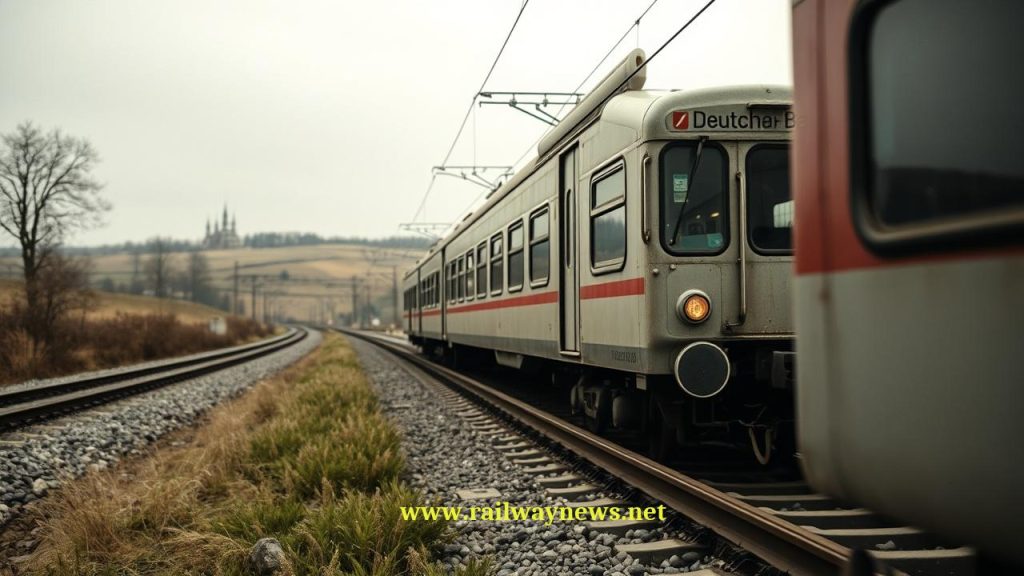
⚡ In Brief: Bulgaria’s national rail operator BDZ is set to sign a contract for 91 used Deutsche Bahn railcars, part of a wider fleet renewal program that includes a total of 170 new and second-hand rolling stock units to address chronic service issues.
SOFIA, BULGARIA – The Bulgarian Ministry of Transport and Communications confirmed that a contract for the purchase of 91 second-hand passenger railcars from Germany’s Deutsche Bahn (DB) will be signed in the near future. The acquisition by national operator BDZ aims to alleviate a significant rolling stock shortage causing widespread service disruptions. This deal is part of a multi-faceted procurement strategy that also includes 35 new Alstom trains and 25 new Škoda trains.
What Does This Contract Cover?
The agreement covers the transfer of 91 used passenger railcars from DB to BDZ, although the specific vehicle types and their age have not been detailed. This procurement is one component of a larger, accelerated fleet renewal effort by BDZ to increase capacity and reliability. Aggregating recent deals, the operator is acquiring a total of 170 units, including 35 Coradia Stream electric trains from Alstom, 25 RegioPanter electric multiple units from Škoda, and a previous batch of 19 modernized DB railcars delivered in 2024.
Key Contract Data
| Parameter | Value |
|---|---|
| Contract Name | BDZ purchase of 91 second-hand DB railcars |
| Total Value | Not disclosed |
| Parties Involved | BDZ (Bulgaria), Deutsche Bahn (Germany) |
| Timeline / Completion | Not disclosed |
| Country / Corridor | Bulgaria (National Network) |
How Does This Compare to Similar Contracts?
Directly comparable contract values for second-hand rolling stock transactions are not consistently published, making a precise cost comparison difficult. However, this procurement of used assets contrasts sharply with BDZ’s concurrent investments in new-builds. The Alstom contract for 35 Coradia Stream trains is valued at €720 million, highlighting the significant capital difference between buying new and used stock. This dual-track approach—investing in premium new trains for key routes while using lower-cost, second-hand assets to quickly fill network-wide capacity gaps—is a common strategy for state-owned operators in Central and Eastern Europe seeking to modernize on a constrained budget.
Editor’s Analysis
BDZ’s mixed-asset strategy demonstrates a pragmatic approach to a critical operational challenge. While the acquisition of used DB railcars is a short-term solution to address immediate passenger overcrowding, the parallel contracts with Alstom and Škoda signal a long-term commitment to modernization. This approach allows the operator to show rapid improvement in service availability while phasing in modern, more efficient rolling stock over the next decade. This trend of cascading older, but still viable, Western European rolling stock to Eastern European networks continues to be a key feature of the continent’s rail market. (Source: European Union Agency for Railways, 2023).
FAQ
Q: How many total new trains and cars is BDZ acquiring?
A: Across several recent agreements, BDZ’s procurement drive includes a total of 170 units. This comprises 110 used railcars from Deutsche Bahn (91 in this deal plus 19 prior), 35 new electric trains from Alstom, and 25 new electric multiple units from Škoda.
Q: What is the total investment value of these contracts?
A: The value for the 91 DB railcars has not been disclosed. The contract with the Alstom-led consortium for 35 trains is valued at €720 million, but the cost for the 25 Škoda RegioPanter units was not specified in the available information.
Q: What is the primary goal of this fleet expansion?
A: The primary goal is to resolve a critical shortage of rolling stock that leads to overcrowded trains, frequent delays, and an inability to meet schedules. By increasing fleet size, BDZ aims to provide more reliable and comfortable travel conditions for passengers across its national network.

Railway infrastructure, rolling stock and transport technologies specialist focused on global rail industry developments, high-speed rail systems, signaling technologies and freight transportation. Covering railway investments, public transport modernization, rail operations and international mobility projects across Europe, Asia and North America.
RELATED POSTS

October 8, 2026 1:15 pm
Alstom secured a €1bn contract to build 13 automated trains,...

October 1, 2026 7:09 am
United States regulators confirmed a September 30 deadline for the...

October 4, 2026 5:14 pm
Alstom secured a CA$4.7 billion order from VIA Rail Canada...

October 1, 2026 12:13 am
Illinois approved $1.5 billion annually for the Northern Illinois Transit...

October 1, 2026 6:10 am
Amtrak approved a System Expansion Committee on July 30 to...
October 5, 2026 1:13 pm
New York MTA confirmed a late 2026 DEIS release for...