
British Steel Lands Huge Italian Rail Contract
British Steel secures a massive RFI contract, supplying 86,000 tonnes of rail – including advanced Stress-Free rail – for superior performance and reduced costs. Discover how!
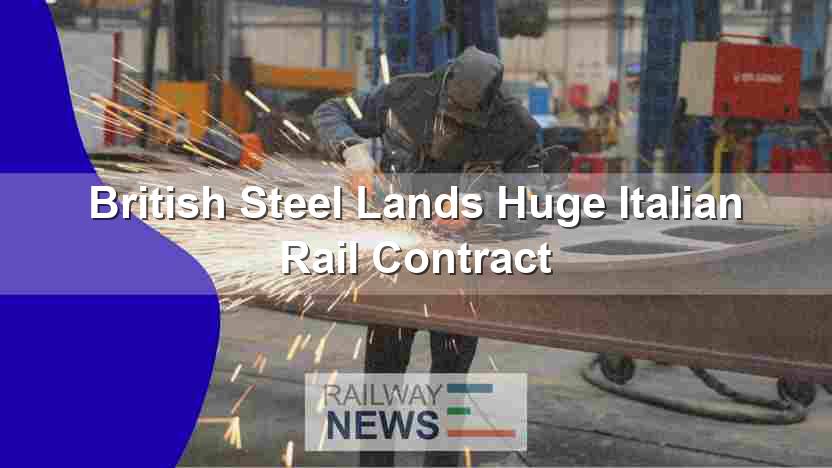
This article examines the significant contracts awarded to British Steel by Rete Ferroviaria Italiana (RFI), the Italian railway infrastructure manager. The agreement involves the supply of 86,000 tonnes of rail, highlighting the growing demand for high-quality, durable rail infrastructure materials globally. This substantial order underscores British Steel’s position as a leading supplier in the rail industry, showcasing its advanced manufacturing capabilities and commitment to innovation. We will delve into the specifics of the contract, examining the types of rail supplied, the technological advancements incorporated, and the broader implications for the rail industry. This analysis will explore the benefits of advanced rail technology like Stress-Free (SF) heat-treated rail for railway operators, including reduced maintenance costs and increased operational efficiency. Finally, we will place this contract within the context of British Steel’s recent successes, emphasizing the company’s continued growth and international competitiveness in the global railway market.
The Contract Details: Volume and Specifications
The contract between British Steel and RFI encompasses the delivery of a substantial quantity of rail – 86,000 tonnes in total. This comprises 18,000 tonnes of premium Stress-Free (SF) heat-treated rail and 68,000 tonnes of standard-grade rail. All rail is supplied in 108-meter lengths, tailored to the specific requirements of RFI’s infrastructure projects. The use of longer rail lengths reduces the number of rail joints, which minimizes track maintenance and improves ride quality. This demonstrates British Steel’s ability to meet customized specifications, a key factor in securing major international contracts.
Stress-Free (SF) Heat-Treated Rail: Technological Advancement
A significant portion of this contract involves the supply of British Steel’s unique premium Stress-Free (SF) heat-treated rail. This advanced rail technology addresses the industry’s need for improved resistance to wear and tear, particularly in challenging conditions. The SF heat treatment process reduces internal stresses within the rail, significantly enhancing its resistance to rolling contact fatigue (RCF) and improving its overall service life. This innovation translates to reduced maintenance and replacement costs for railway operators. The superior fatigue performance, confirmed by testing demonstrating a 67% increase in fatigue resistance compared to traditional heat-treated rail, results in extended periods between track maintenance, leading to cost savings and increased operational uptime for RFI. The manufacturing process utilizes British Steel’s Scunthorpe (England) facility for steel production, followed by rolling and strengthening at its Hayange (France) plant, showcasing a coordinated international production strategy.
Economic and Operational Benefits for RFI
The adoption of British Steel’s advanced rail materials offers several key advantages for RFI. The extended service life of SF heat-treated rail translates directly into significant cost savings by reducing the frequency and expense of track maintenance and replacement programs. Minimizing downtime due to maintenance also contributes to increased operational efficiency, allowing for smoother and more reliable railway operations. The enhanced fatigue resistance ensures the longevity of the rail infrastructure, reducing the long-term financial burden on RFI. These economic and operational benefits underscore the value proposition of investing in premium rail materials, justifying the premium cost associated with this technology.
Strategic Positioning and Future Outlook for British Steel
This contract with RFI represents a substantial achievement for British Steel, following recent contract wins with Network Rail and a Belgian rail operator. This continued success demonstrates British Steel’s ability to secure significant international contracts, highlighting its leading position within the global rail industry. The company’s commitment to research and development, specifically in producing advanced rail technologies such as SF heat-treated rail, is crucial for maintaining its competitive edge. The company’s global reach, demonstrated by supplying over one million tonnes of SF rail across six continents, underscores its capacity to meet the demands of various international railway systems. This contract reinforces British Steel’s reputation for high-quality products and reliable service, establishing a strong foundation for future growth and expansion in the rail sector.
Conclusions
The substantial contract awarded to British Steel by Rete Ferroviaria Italiana (RFI) for the supply of 86,000 tonnes of rail, including a significant quantity of advanced Stress-Free (SF) heat-treated rail, represents a major milestone for both companies. The contract highlights the increasing global demand for high-performance rail materials, emphasizing the economic and operational benefits of investing in advanced rail technology. For RFI, the use of British Steel’s products ensures reduced maintenance costs, increased operational efficiency, and improved overall railway reliability. The success of this contract further solidifies British Steel’s position as a leading global supplier of high-quality rail, showcasing their advanced manufacturing capabilities, commitment to innovation, and ability to meet the stringent demands of major international railway infrastructure projects. The long-term implications of this agreement extend beyond a single transaction, representing a strategic partnership that underscores the growing importance of technological advancement and cost-effectiveness in the railway sector. British Steel’s demonstrated ability to deliver high-quality, innovative solutions positions them for continued success in this vital industry. The emphasis on extending the service life of rail through technology like SF heat-treated rail points towards a future where sustainability and cost-efficiency are paramount in railway infrastructure development. The success of this project serves as a model for future collaborations between railway infrastructure managers and advanced materials manufacturers.

Railway infrastructure, rolling stock and transport technologies specialist focused on global rail industry developments, high-speed rail systems, signaling technologies and freight transportation. Covering railway investments, public transport modernization, rail operations and international mobility projects across Europe, Asia and North America.
RELATED POSTS

October 8, 2026 1:15 pm
Alstom secured a €1bn contract to build 13 automated trains,...

October 1, 2026 7:09 am
United States regulators confirmed a September 30 deadline for the...

October 8, 2026 12:18 pm
Siemens Mobility signed an agreement with VinSpeed to supply 350...

October 4, 2026 5:14 pm
Alstom secured a CA$4.7 billion order from VIA Rail Canada...

October 5, 2026 6:12 pm
AECOM and Jacobs secured a contract in September 2026 to...
October 6, 2026 12:16 am
FTA awarded $233 million in grants to eight US rail...