
Bangladesh Rail Upgrade: JICA Funding & Joydebpur-Ishurdi Line
Bangladesh’s railway gets major upgrade, with JICA funding a 170km double-tracking project. The project aims to boost capacity & regional trade.

Bangladesh Embarks on Major Railway Upgrade with JICA Funding
The railway landscape of Bangladesh is poised for a significant transformation. The Japan International Cooperation Agency (JICA) and the Government of Bangladesh have formalized a loan agreement, injecting JPY 92 billion (USD 641.4 million) into the modernization and expansion of the critical Joydebpur – Ishurdi railway line. Signed in Dhaka at the end of June, this agreement marks a pivotal step in enhancing the nation’s railway infrastructure. This project, set to be completed by June 2030, will double-track the 170 km Joydebpur – Ishurdi corridor, a vital artery connecting the eastern and western regions of the country. The primary objective is to increase capacity, reduce transit times, and facilitate seamless connectivity for both passengers and freight, contributing to regional economic growth. The project’s immediate focus is the eastern section, particularly the Joydebpur-Jamuna railway bridge, identified as a key priority. The launch of the initial procurement package for civil work tenders, slated for this month, signals the commencement of this transformative project.
Enhancing Capacity Through Double-Tracking
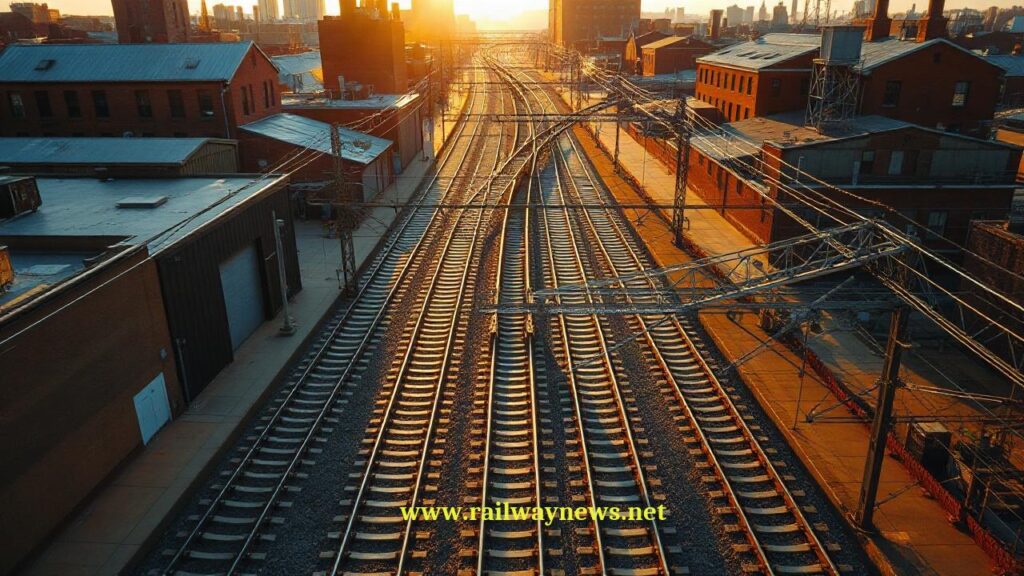
The core of this project lies in the construction of a second, dual-gauge track along the Joydebpur – Ishurdi corridor. This critical segment of the Trans-Asian Railway currently operates as a single-track line, despite the existing dual-gauge infrastructure designed for interoperability. The implementation of double-tracking is essential to address the current strain on the line. The existing single-track capacity is 25 trains per day. However, to meet rising demand, this capacity is exceeded by operating 36 trains daily which causes frequent delays. From 2013 to 2017, passenger traffic on the line experienced an average annual growth of 5.92%, while freight traffic increased by an impressive 9.48% annually. The new double-track configuration, coupled with upgraded facilities, will substantially increase the line’s capacity, accommodating the surging demand and improving operational efficiency.
Strategic Significance and Project Scope
The Joydebpur – Ishurdi railway line holds strategic importance, acting as a crucial link within the Trans-Asian Railway network, connecting various cities in northern and western Bangladesh to Kolkata, India. The project’s scope includes the complete double-tracking of the Joydebpur – Ishurdi section. The loan from JICA is primarily allocated to the eastern section of the railway and is the first step to accomplish the ultimate goal of connecting the east and west of the country via the double tracked line. The entire project, encompassing the new tracks and associated infrastructure, is anticipated to be fully operational by June 2030. This project is also considered a top priority within the Master Plan of Railways, alongside the Jamuna Railway Dedicated Bridge.
Procurement and Implementation Timeline
Bangladesh Railways is set to launch the initial procurement package for civil work, initiating the construction phase through international competitive bidding. This procurement process will allow the selection of qualified contractors to undertake the construction of the new track and associated infrastructure. The phased approach will prioritize the eastern section, specifically the area around the Joydebpur-Jamuna bridge. The government will conduct further tender solicitations as the project moves forward. The project’s expected completion date, June 2030, sets a clear timeline for this detailed infrastructure enhancement, paving the way for a more efficient and connected railway system.
Economic Impact and Regional Connectivity
The modernized Joydebpur – Ishurdi railway is expected to provide significant economic benefits. By improving logistics capacity between the western part of Bangladesh and Dhaka, the project will facilitate enhanced connectivity both within the country and with neighboring nations. This will lead to reduced transportation costs, improved transit times for goods and passengers, and increased trade opportunities. The project is also poised to contribute to the economic development of the entire region, stimulating local economies and fostering growth. This infrastructure upgrade is a key component of Bangladesh’s broader strategy for economic advancement and regional integration.
Conclusion
The JICA-funded project to double-track the Joydebpur – Ishurdi railway represents a substantial investment in Bangladesh’s rail infrastructure and its economic future. This project will directly address the capacity constraints of a vital railway link, reducing congestion and enhancing efficiency for both passenger and freight transport. The strategic placement of this project within the broader Trans-Asian Railway network underscores its significance in facilitating regional connectivity and promoting cross-border trade. The anticipated completion by 2030 will modernize transport capabilities, creating enhanced economic activity in the region. The launch of the civil work tender process signals the active commencement of a project that will have a lasting impact on Bangladesh’s railway system and its broader economic prospects. This initiative will set the stage for further modernization and investment in Bangladesh’s rail infrastructure, paving the way for greater efficiency and regional connectivity.

Railway infrastructure, rolling stock and transport technologies specialist focused on global rail industry developments, high-speed rail systems, signaling technologies and freight transportation. Covering railway investments, public transport modernization, rail operations and international mobility projects across Europe, Asia and North America.
RELATED POSTS

October 8, 2026 1:15 pm
Alstom secured a €1bn contract to build 13 automated trains,...

October 1, 2026 7:09 am
United States regulators confirmed a September 30 deadline for the...

October 4, 2026 5:14 pm
Alstom secured a CA$4.7 billion order from VIA Rail Canada...

October 1, 2026 12:13 am
Illinois approved $1.5 billion annually for the Northern Illinois Transit...
October 5, 2026 1:13 pm
New York MTA confirmed a late 2026 DEIS release for...
October 6, 2026 9:17 am
Illinois approved $1.1M in state funds to upgrade two McHenry...