
Ballard, Sierra Northern: Hydrogen Fuel Cells Powering Green Rail
Ballard Power Systems and Sierra Northern Railway are revolutionizing rail with hydrogen fuel cells! Zero-emission locomotives are coming to California.
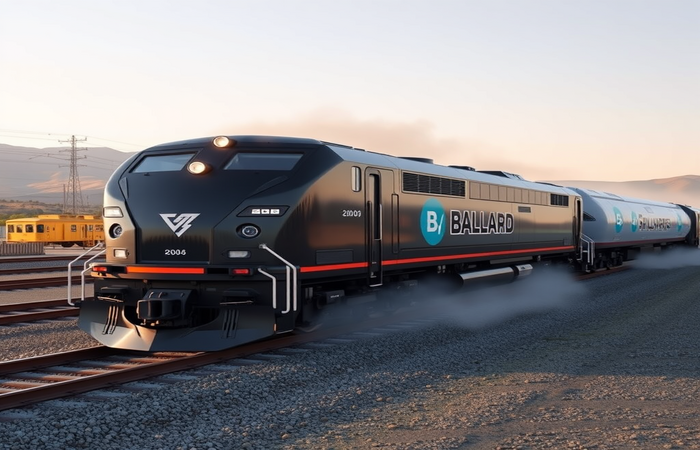
News Release: Ballard Power Systems Fuels Sierra Northern Railway’s Decarbonization Efforts
Vancouver, Canada – October 26, 2023 – The railway industry is on the cusp of a green revolution, and fuel cell technology is taking center stage. This article explores the recent agreement between Ballard Power Systems (a leading provider of fuel cell solutions) and Sierra Northern Railway, a California-based rail operator. The deal entails the supply of 1.5-megawatt fuel cell engines, slated for delivery in 2025, to convert diesel switching locomotives to zero-emission, hydrogen-fueled alternatives. We’ll explore the technical aspects of this project, including the role of Ballard’s FCmove®-XD engines, the advantages of hydrogen-powered locomotives, and the broader implications for California’s decarbonization goals. Additionally, we will discuss the potential impact on the railway sector as it embraces sustainable practices. This agreement marks a significant stride towards reducing greenhouse gas emissions within the transportation sector, as well as highlighting the pivotal role of fuel cell technology.
Embracing Hydrogen Power in Rail
The shift towards hydrogen-powered locomotives is driven by the urgent need to reduce greenhouse gas emissions and improve air quality, especially in densely populated areas. Diesel locomotives, while essential for freight and shunting operations, are significant contributors to pollution. Hydrogen fuel cell technology offers a compelling solution. By converting hydrogen and oxygen into electricity, fuel cells produce zero tailpipe emissions, with water vapor being the only byproduct. This eliminates harmful pollutants like particulate matter and nitrogen oxides (NOx), leading to cleaner air. The FCmove®-XD engines, specifically designed for heavy-duty applications, are a key component of this transition. The modular design of these engines offers flexibility in integrating them into existing locomotive chassis. This allows for a comparatively swift transition for railway operators looking to modernize their fleets. Using hydrogen, the railway industry can significantly contribute to a more sustainable future.
Technical Aspects and Implementation
The Sierra Northern Railway project involves the conversion of three diesel switching locomotives. The 12 Ballard FCmove®-XD engines will be integrated into these locomotives, replacing the existing diesel engines. This process involves careful engineering considerations to ensure compatibility and optimal performance. The locomotives will require hydrogen storage tanks, fuel cell systems, and electric drive systems. The integration process requires a meticulous analysis of the locomotive’s power requirements, space constraints, and operational profiles to ensure seamless operation. The utilization of the modular design of the FCmove®-XD engines simplifies the installation process. Additionally, hydrogen infrastructure, including production, storage, and fueling stations, needs to be developed or adapted to support the operation of hydrogen-powered locomotives. The success of this project will serve as a blueprint for other railway operators across North America and beyond.
Benefits and the Future of Green Rail
The advantages of adopting hydrogen fuel cell technology in rail are manifold. Beyond the environmental benefits, hydrogen-powered locomotives offer operational advantages such as reduced noise pollution and the potential for lower operating costs due to reduced fuel consumption and maintenance requirements, although the initial investment in hydrogen infrastructure is a factor to be considered. This shift also offers increased energy independence for rail operators by reducing their reliance on fossil fuels. As the technology matures and hydrogen production becomes more efficient and cost-effective, the economic benefits will become more pronounced. This initiative helps to reduce greenhouse gas emissions in California’s transportation sector. The deployment of hydrogen-powered locomotives has the potential to transform the railway industry, leading to a greener and more sustainable future.
Conclusion
The collaboration between Ballard Power Systems and Sierra Northern Railway signifies a pivotal moment in the railway industry’s pursuit of sustainability. The agreement underscores the increasing viability and appeal of hydrogen fuel cell technology as a substitute for traditional diesel engines in the rail sector. The utilization of Ballard’s FCmove®-XD engines not only provides a viable path for decarbonizing operations but also illustrates the broader potential for environmentally conscious innovations in freight transport. The conversion of three diesel switching locomotives represents more than simply an engineering feat; it is a demonstration of Sierra Northern Railway’s dedication to eco-friendly practices and a stride towards achieving California’s ambitious climate goals. The project’s success could catalyze the wider adoption of hydrogen fuel cell technology throughout the railway industry. Additionally, it could encourage the development of necessary hydrogen infrastructure, thereby fostering a cleaner and more sustainable transportation system. To summarize, this partnership exemplifies the ongoing shift towards a greener railway landscape, highlighting the vital role of innovation and collaboration in combating climate change and achieving a more sustainable future for the rail sector. The project’s impact will reverberate across the industry, inspiring operators to adopt similar initiatives and contributing to a significant reduction in greenhouse gas emissions.
Companies Summary:
- Ballard Power Systems: A Canadian company specializing in the design, manufacturing, and sale of fuel cell products, primarily for heavy-duty applications.
- Sierra Northern Railway: A California-based short-line railroad operator focused on sustainable practices and modernizing its fleet with cleaner technologies.

Railway infrastructure, rolling stock and transport technologies specialist focused on global rail industry developments, high-speed rail systems, signaling technologies and freight transportation. Covering railway investments, public transport modernization, rail operations and international mobility projects across Europe, Asia and North America.
RELATED POSTS

October 8, 2026 1:15 pm
Alstom secured a €1bn contract to build 13 automated trains,...

October 1, 2026 7:09 am
United States regulators confirmed a September 30 deadline for the...

October 4, 2026 5:14 pm
Alstom secured a CA$4.7 billion order from VIA Rail Canada...

October 8, 2026 12:18 pm
Siemens Mobility signed an agreement with VinSpeed to supply 350...

October 1, 2026 12:13 am
Illinois approved $1.5 billion annually for the Northern Illinois Transit...
October 6, 2026 2:14 am
Union Pacific launched export rail shipments with Ferromex to deliver...