
Alstom Secures Signalling for 4.6-Kilometre Lodz Tunnel
Alstom secured signalling for Poland’s 4.6-kilometre Lodz tunnel, a key part of the nation’s developing high-speed ‘Y route’.
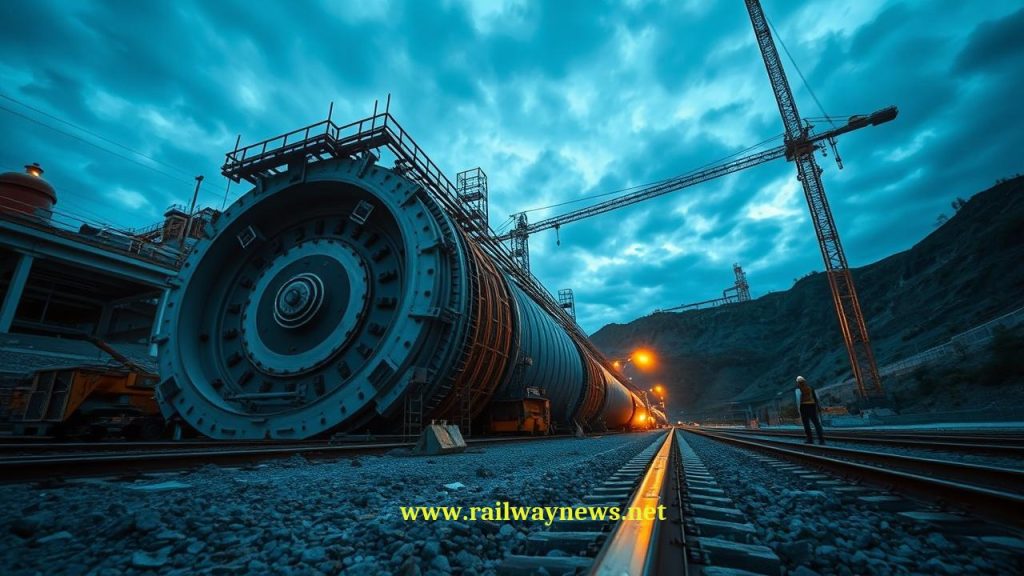
⚡ In Brief: Alstom has secured a contract with PORR to design and install advanced railway signalling systems for the new 4.6-kilometre high-speed rail tunnel in Lodz, a strategic component of Poland’s developing “Y route” corridor.
LODZ, POLAND – Alstom will deliver and integrate railway traffic control systems for the new long-distance rail tunnel currently under development in Lodz. The contract, awarded by infrastructure firm PORR on 10 March 2026, covers signalling for the 4.6 km tunnel, which forms a central part of Poland’s future high-speed network linking Warsaw and Lodz.
What Does This Contract Cover?
The agreement tasks Alstom with the design, installation, and integration of its mainline signalling portfolio for the new twin-bore tunnel. This system will be integrated with the existing operational control centre at Lodz Widzew railway station to ensure safe and reliable train movements. The tunnel itself, the longest of its kind in Poland, will have a diameter of 14 metres and run at depths between 25 and 35 metres beneath the city. The total value of this specific signalling contract was not disclosed.
Key Contract Data
| Parameter | Value |
|---|---|
| Contract Name | Lodz High-Speed Rail Tunnel Signalling System |
| Total Value | Not disclosed |
| Parties Involved | Alstom (supplier), PORR (main contractor) |
| Timeline / Completion | Line operational by 2032 |
| Country / Corridor | Poland / “Y Route” (Line 85), TEN-T North Sea Baltic |
How Does This Compare to Similar Contracts?
This project is a key enabling component of a national-level infrastructure program, similar to strategic contracts awarded for the UK’s Northern Powerhouse Rail (NPR) initiative. For instance, Amey secured a contract with Network Rail to provide multi-disciplinary consultancy for the Leeds to Sheffield corridor, another critical link in a national network upgrade. While Alstom’s contract is for specific technology implementation and Amey’s is for broader design and consultancy, both represent foundational work required to modernise and increase capacity on vital economic corridors. Both projects are part of larger, multi-billion-euro national strategies to improve inter-city connectivity. (Source: Rail UK, 2026).
Editor’s Analysis
Alstom’s contract win is a direct reflection of Poland’s accelerating investment in its railway infrastructure, which is creating a significant market for advanced technology suppliers. The project is tied to the strategic Port Polska programme, indicating a long-term, state-backed commitment to network modernisation that extends beyond this single tunnel. This aligns with market forecasts projecting significant growth in the Polish railway signalling sector, driven by a national upgrade agenda aimed at enhancing both passenger and freight capacity. (Source: IndexBox, 2026).
FAQ
Q: What is the “Y route” in Poland?
A: The “Y route” is the common name for Poland’s planned high-speed rail network, also known as railway line 85. It is designed to connect Warsaw, the new Centralny Port Komunikacyjny (CPK) airport, and Lodz, with future extensions planned to reach Wroclaw and Poznan.
Q: What signalling technology will Alstom install?
A: The source confirms Alstom will use its mainline signalling portfolio and cites its experience with ERTMS ETCS Level 2 technology on other high-speed lines. However, the exact technical specification for the Lodz tunnel system was not detailed in the announcement.
Q: What is the impact of this tunnel on the wider European network?
A: The project is a component of the trans-European North Sea Baltic transport corridor within the TEN-T network. Its completion will improve a key link in this strategic corridor, enhancing rail connectivity between Poland’s major cities and the broader European system.

Railway infrastructure, rolling stock and transport technologies specialist focused on global rail industry developments, high-speed rail systems, signaling technologies and freight transportation. Covering railway investments, public transport modernization, rail operations and international mobility projects across Europe, Asia and North America.
RELATED POSTS

October 1, 2026 7:09 am
United States regulators confirmed a September 30 deadline for the...

October 8, 2026 1:15 pm
Alstom secured a €1bn contract to build 13 automated trains,...

October 4, 2026 5:14 pm
Alstom secured a CA$4.7 billion order from VIA Rail Canada...

October 1, 2026 12:13 am
Illinois approved $1.5 billion annually for the Northern Illinois Transit...

October 6, 2026 2:14 am
Union Pacific launched export rail shipments with Ferromex to deliver...

October 1, 2026 6:10 am
Amtrak approved a System Expansion Committee on July 30 to...