
Alstom Secures Four-Year MARC Contract with 3-4 Percent Wage Increases
Alstom and BLET ratified a four-year contract for MARC operators, securing 3-4% annual wage increases through 2027 in Maryland.
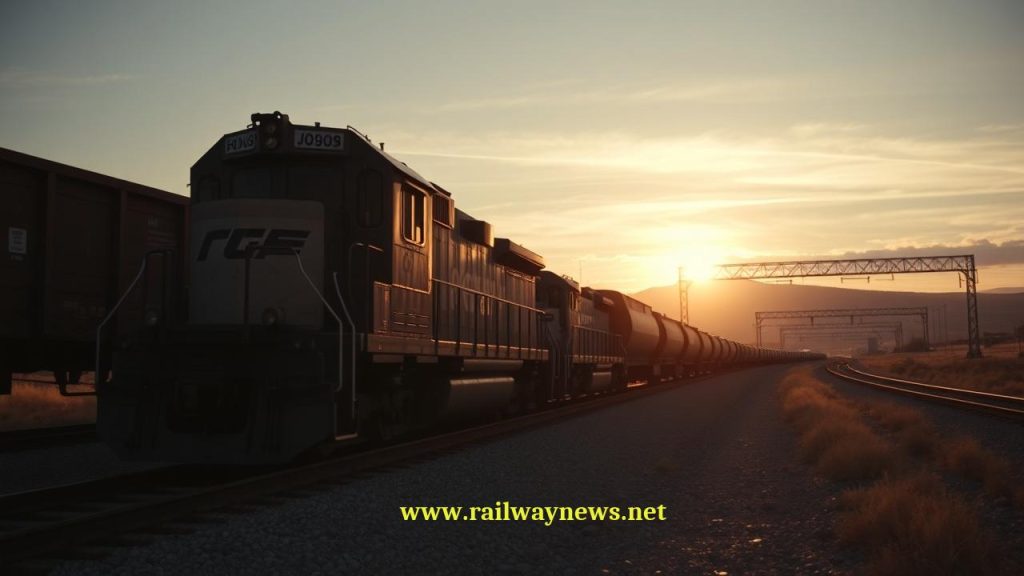
⚡ In Brief: Alstom and the Brotherhood of Locomotive Engineers and Trainmen (BLET) have ratified a new four-year labor contract for Maryland Area Rail Commuter (MARC) train operators, securing annual wage increases of 3% to 4% through 2027.
BALTIMORE, USA – Alstom and the Brotherhood of Locomotive Engineers and Trainmen (BLET) have finalized a new four-year contract for engineers operating Maryland Area Rail Commuter (MARC) trains. The agreement, ratified unanimously last week, is retroactive to January 1, 2024, and provides compounding wage increases totaling over 13% by its conclusion on December 31, 2027. This contract covers operators on the Alstom-run Camden and Brunswick lines.
What Is the Full Scope of This Development?
The agreement provides four years of labor stability for engineers on MARC’s Camden and Brunswick lines, which are operated by Alstom on behalf of the Maryland Transit Administration. The contract delivers general wage increases of 3.25% in 2024, 3% in 2025, 4% in 2026, and 3% in 2027. In addition to wages, the deal addresses improvements to work rules and health and welfare benefits for members of BLET Division 97.
Key Development Data
| Parameter | Value |
|---|---|
| Company / Organisation | Brotherhood of Locomotive Engineers and Trainmen (BLET), Alstom |
| Total Value | Not disclosed |
| Parties Involved | BLET Division 97, CSXT-Northern Lines General Committee of Adjustment, Alstom, Maryland Transit Administration |
| Timeline / Completion | Jan. 1, 2024 – Dec. 31, 2027 |
| Country / Corridor | USA / MARC Camden & Brunswick Lines |
How Does This Compare to Industry Trends?
The wage increases in the MARC contract reflect a global trend of operators offering enhanced compensation to retain skilled labor amid persistent shortages. For instance, major Japanese railway firms are providing significant wage increases in 2024 and 2025 to retain workers, driven by a tight labor market (Source: Reuters, 2026). The MARC agreement’s annual increases of 3-4% provide stability and align with this broader industry strategy where competitive pay is viewed as essential for maintaining operational readiness and service quality.
Editor’s Analysis
This agreement provides critical operational stability for Alstom on two of MARC’s three commuter lines, insulating a key part of the Baltimore-Washington D.C. transport network from labor disruptions for four years. Securing a long-term deal is strategically important as public transit demand remains resilient and operators face pressure to ensure service reliability. The focus on retaining skilled engineers through competitive wages aligns with a broader industry necessity, as labor availability remains a primary operational risk factor for transport providers globally (Source: Asian Business Review).
FAQ
Q: Which MARC train lines are affected by this new contract?
A: This contract applies to the locomotive engineers who operate MARC’s Camden and Brunswick lines. The third line, the Penn Line, is operated by Amtrak crews under a separate agreement and is not covered by this contract.
Q: What are the specific wage increases over the four-year term?
A: The contract stipulates general wage increases of 3.25% in 2024, 3% in 2025, 4% in 2026, and 3% in 2027. The total financial cost of the new agreement was not disclosed by the parties involved.
Q: Does this agreement prevent all potential service disruptions on MARC?
A: This contract secures labor peace with locomotive engineers on the Alstom-operated lines through 2027, but it does not cover other unionized work groups or the Amtrak-operated Penn Line. While it significantly reduces the risk of labor-related disruptions on the Camden and Brunswick lines, other issues could still impact service.

Railway infrastructure, rolling stock and transport technologies specialist focused on global rail industry developments, high-speed rail systems, signaling technologies and freight transportation. Covering railway investments, public transport modernization, rail operations and international mobility projects across Europe, Asia and North America.
RELATED POSTS

October 1, 2026 7:09 am
United States regulators confirmed a September 30 deadline for the...

October 1, 2026 12:13 am
Illinois approved $1.5 billion annually for the Northern Illinois Transit...

October 1, 2026 6:10 am
Amtrak approved a System Expansion Committee on July 30 to...

October 4, 2026 5:14 pm
Alstom secured a CA$4.7 billion order from VIA Rail Canada...
October 1, 2026 3:12 am
Greenbrier confirmed Brian Comstock as new president and CEO effective...
October 1, 2026 4:10 am
DART launched two public ridership dashboards in March 2026 to...