
SC Ports Signs 52-Foot Dredging Study in Charleston
South Carolina Ports signed an agreement with the U.S. Army Corps of Engineers in 2026 to assess deepening the Cooper River channel to 52 feet in Charleston.
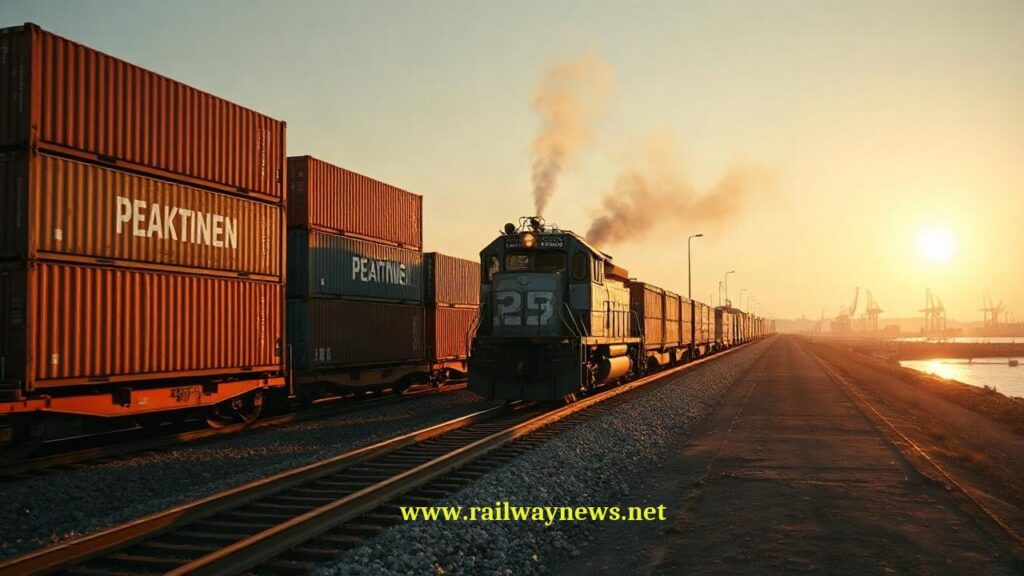
⚡ In Brief: South Carolina Ports and the U.S. Army Corps of Engineers have signed an agreement to assess deepening the Cooper River channel to 52 feet to connect North Charleston Terminal with facilities that handled 2.6 million TEUs in fiscal 2025.
CHARLESTON, UNITED STATES – South Carolina Ports and the U.S. Army Corps of Engineers Charleston District signed a feasibility study agreement in 2026 to evaluate deepening the Cooper River channel serving North Charleston Terminal from 48 feet to 52 feet. Authorized under the Water Resources Development Act of 2024, the study examines navigational and economic capacity following SC Ports’ throughput of 2.6 million TEUs in fiscal year 2025. Federal funding for the engineering and environmental evaluation was appropriated under the fiscal year 2026 federal budget.
What Is the Full Scope of This Project?
The feasibility study evaluates deepening an upstream stretch of the Cooper River navigation channel from 48 feet to 52 feet between the Hugh K. Leatherman Terminal and the North Charleston Terminal. The U.S. Army Corps of Engineers Charleston District will conduct technical engineering, environmental reviews, and economic impact analyses to determine the viability of bringing the final container terminal up to the harbor’s standard depth. While preliminary federal funding was designated under fiscal year 2026 appropriations, the total engineering expenditure and projected dredging construction costs were not disclosed by the participating agencies.
Key Project Data
| Parameter | Value |
|---|---|
| Project / Contract Name | Cooper River Channel Deepening Feasibility Study |
| Total Value | Not disclosed |
| Parties Involved | South Carolina Ports Authority, U.S. Army Corps of Engineers (Charleston District) |
| Timeline / Completion | Study initiated in 2026; construction completion date not disclosed |
| Country / Corridor | United States / Charleston Harbor & Cooper River Corridor |
How Does This Compare to Similar Projects?
Charleston Harbor completed an earlier capital dredging program to 52 feet in 2022, creating the deepest operational harbor draft on the United States East Coast. That 52-foot depth accommodated two-way navigation for fully loaded container vessels at the Wando Welch and Leatherman terminals, directly driving intermodal rail growth to interior distribution hubs. Total rail moves between the marine terminals and SC Ports’ inland rail facilities in Greer and Dillon increased by 4% in fiscal year 2025, led by Inland Port Greer handling a record 205,523 rail lifts (Source: South Carolina Ports Authority, 2025). The port network handled $67.5 billion in imports and $1.2 billion in exports in 2024, maintaining a container cargo concentration far higher than neighboring river corridors such as Philadelphia, where channel access and intermodal rail alignment continue to face infrastructure bottlenecks (Source: Philadelphia City Controller, 2026). However, independent verification of direct rail transfer track expenditure at North Charleston Terminal was not available at time of publication.
Editor’s Analysis
Deepening the Cooper River upper reach aligns maritime berth capacity directly with high-volume intermodal rail corridors serving the Southeastern manufacturing belt. As the North America railway management system market expands from USD 14,509.4 million in 2025 toward USD 19,490.3 million by 2030, port authorities are prioritizing inland intermodal velocity over raw yard storage (Source: MarketsandMarkets, 2025). Matching North Charleston Terminal’s draft to 52 feet eliminates tidal operating restrictions, enabling Class I rail partners to run heavier block-train movements inland without vessel scheduling delays.
FAQ
Q: What is the primary objective of the Charleston Harbor feasibility study?
A: The study evaluates deepening the Cooper River navigation channel from 48 feet to 52 feet between the Leatherman and North Charleston terminals. This depth will allow larger container vessels to access North Charleston Terminal at any tidal window.
Q: What is the projected budget and construction schedule for the dredging project?
A: The total construction budget and final dredging schedule were not disclosed in the preliminary feasibility agreement. The initiative received initial federal authorization under the Water Resources Development Act of 2024 with study funding allocated in fiscal year 2026 federal appropriations.
Q: How does this harbor deepening project affect regional rail cargo movements?
A: Upgrading terminal access accommodates higher container volumes that connect directly to Inland Port Greer, which processed 205,523 rail moves in fiscal year 2025. Increased maritime volume provides additional intermodal density for regional rail operators running inland container corridors.

Railway infrastructure, rolling stock and transport technologies specialist focused on global rail industry developments, high-speed rail systems, signaling technologies and freight transportation. Covering railway investments, public transport modernization, rail operations and international mobility projects across Europe, Asia and North America.
RELATED POSTS

September 6, 2026 5:19 am
Hitachi delivered Taiwan's first N700ST high-speed train from Japan in...

September 6, 2026 6:17 am
Hungary ordered a national ban on most freight trains from...

September 6, 2026 1:17 am
Hitachi Toshiba Supreme Consortium confirmed the first of 12 N700ST...

September 5, 2026 4:19 pm
CPK launched formal tender talks with four consortia to design...

September 7, 2026 8:16 am
Midea, Gree and TCL shipped air conditioners via China Railway...

September 6, 2026 4:12 am
Alstom delivered the first of 100 new G Class trams...