
Switzerland Approves €515M Transalpine Rail Subsidies
Switzerland approved €515 million in transalpine rail subsidies through 2035 to aid freight operators as cargo modal share fell to 68.6% across the Swiss Alps.
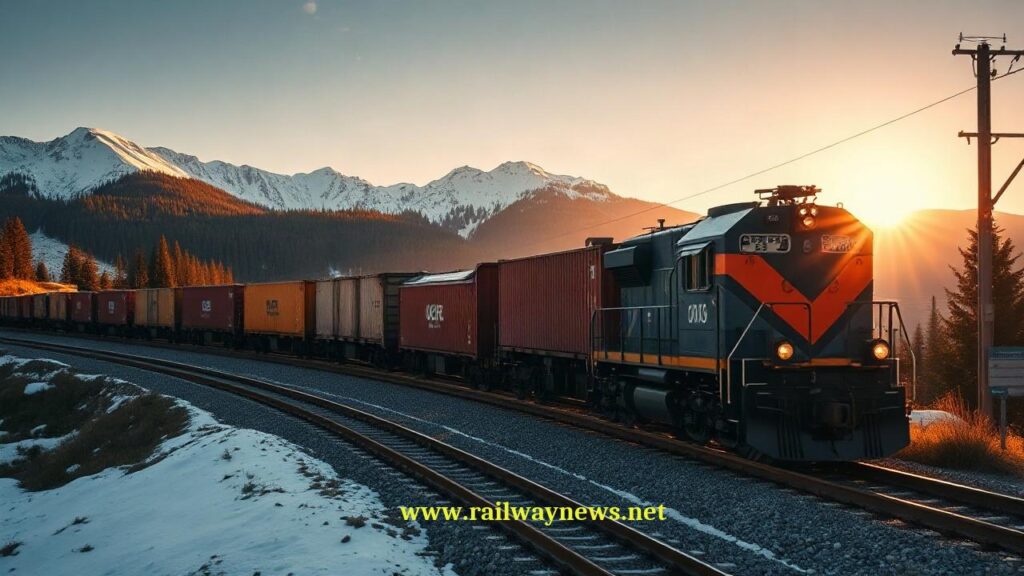
⚡ In Brief: The Swiss Federal Council proposed a €515 million subsidy extension through 2035 to protect transalpine rail freight after market share fell for four consecutive years to 68.6% across the Swiss Alps.
BERN, Switzerland – The Swiss Federal Council has submitted a legislative proposal to allocate approximately €515 million between 2027 and 2035 to sustain transalpine unaccompanied combined rail freight services. The measure responds to four consecutive years of market share erosion, with rail dropping to 68.6% of Swiss Alpine cargo movements in 2025. Under the plan, annual allocations will range from €58 million to €63 million between 2027 and 2030 before stepping down to an average of €53 million annually through 2035.
How Is the Funding Structured?
Switzerland will finance the entire €515 million transalpine freight subsidy through dedicated revenues derived from federal taxes on petroleum products. The Federal Council’s legislative package cancels a planned funding step-down scheduled for 2029, freezing higher operating support through the end of the decade to shield rail operators from severe border-crossing delays. Operating subsidies will provide between €58 million and €63 million annually across the 2027–2030 period, followed by a gradual reduction to approximately €53 million per year from 2030 to 2035. Freight operator BLS Cargo has formally requested that the Swiss Federal Office of Transport (BAV) direct these funds straight to licensed railway undertakings bearing route deviation expenses, rather than routing allocations through intermodal marketing operators. The exact legal mechanism governing direct operator compensation has not been disclosed by federal transport authorities.
Key Funding Data
| Parameter | Value |
|---|---|
| Fund / Programme Name | Swiss Transalpine Unaccompanied Combined Transport Operating Subsidies |
| Total Value | Approximately €515 million (CHF equivalent, 2027–2035) |
| Parties Involved | Swiss Federal Council, Federal Office of Transport (BAV), BLS Cargo, Intermodal Freight Operators |
| Timeline / Completion | 2027–2035 |
| Country / Corridor | Switzerland / North–South Rhine-Alpine Corridor |
How Does This Compare to Similar Funding Programs?
The Swiss transalpine subsidy extension acts as an emergency backstop against a wider European freight contraction that saw EU rail freight traffic fall 1.8% to 368.2 billion tonne-kilometres in 2025 (Source: Eurostat, 2026). Switzerland’s 68.6% transalpine rail modal share remains elevated compared to Western Europe’s overall rail freight market share of 38%, but domestic operators face growing losses caused by construction backlogs on Germany’s 123.5-billion tonne-kilometre freight network (Source: RailFreight, 2026). The financial package also compensates for the structural deficit left by the discontinuation of the RAlpin Rolling Highway in December 2025, an accompanied truck-on-train service that previously operated over 3,000 trains annually before mounting losses forced authorities to favor containerized traffic via the New Railway Link through the Alps (NEAT) base tunnels (Source: Railway Supply, 2025). Total comparative financial loss figures incurred by competing private transalpine traction providers were not publicly available at time of publication.
Editor’s Analysis
Bern’s €515 million capital commitment highlights the vulnerability of domestic modal shift targets when foreign access lines fail to deliver operational reliability. While the European Commission aims to double rail freight modal share across the bloc by 2050, ongoing engineering works on Germany’s Rhine Valley artery continue to drive freight back onto European roads (Source: European Commission, 2022). Without direct operating compensation delivered to the traction providers absorbing route detours, rail freight operators will face compounding balance-sheet deficits long before German network upgrades conclude in the 2030s.
FAQ
Q: Why is Switzerland extending transalpine rail freight subsidies until 2035?
A: The Federal Council extended the €515 million subsidy programme because rail freight’s transalpine market share declined for four consecutive years to 68.6% in 2025. Severe infrastructure works and recurring line closures along the Rhine Valley corridor in Germany forced cargo back onto road transport.
Q: How will the Swiss transalpine rail freight package be funded?
A: Switzerland will fund the entire €515 million allocation using revenue collected from domestic taxes on petroleum products. Disbursements will average €58 million to €63 million per year between 2027 and 2030, tapering to approximately €53 million annually from 2030 through 2035.
Q: What impact did the end of the RAlpin Rolling Highway have on Swiss rail traffic?
A: The discontinuation of RAlpin’s accompanied truck shuttle in December 2025 eliminated more than 3,000 annual train paths operated by BLS Cargo. Swiss transport policy has pivoted entirely away from accompanied truck shuttles to focus operational subsidies on unaccompanied containerized transit through the NEAT base tunnels.

Railway infrastructure, rolling stock and transport technologies specialist focused on global rail industry developments, high-speed rail systems, signaling technologies and freight transportation. Covering railway investments, public transport modernization, rail operations and international mobility projects across Europe, Asia and North America.
RELATED POSTS
September 6, 2026 5:19 am
Hitachi delivered Taiwan's first N700ST high-speed train from Japan in...
September 6, 2026 6:17 am
Hungary ordered a national ban on most freight trains from...
September 6, 2026 1:17 am
Hitachi Toshiba Supreme Consortium confirmed the first of 12 N700ST...

September 5, 2026 4:19 pm
CPK launched formal tender talks with four consortia to design...

September 6, 2026 4:12 am
Alstom delivered the first of 100 new G Class trams...

September 5, 2026 7:14 pm
HS2 Ltd signed renegotiated civils contracts with EKFB and Align...