
NDOT Launches Safety Study of 140 Crossings on Omaha-Lincoln
Nebraska DOT launched a safety study of 140 BNSF grade crossings on the Omaha–Lincoln corridor, survey closing Aug. 20, 2025, plan due spring 2027.
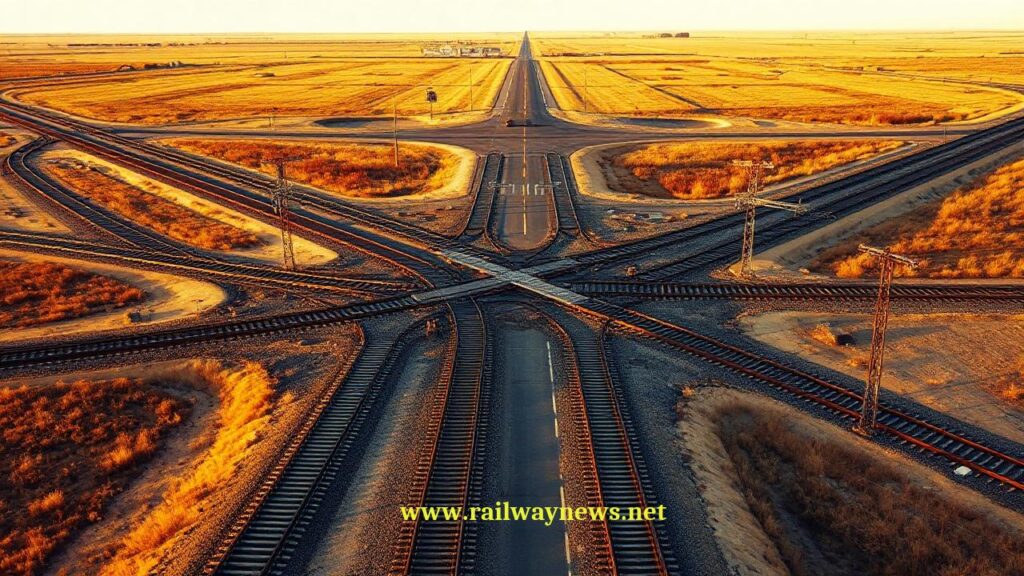
⚡ In Brief: Nebraska DOT is studying 140 BNSF grade crossings along a 64.5-mile Omaha–Lincoln corridor, with a public survey open until Aug. 20 and a full safety improvement plan expected by spring 2027.
LINCOLN, NEBRASKA – The Nebraska Department of Transportation (NDOT) launched a multi-county study of 140 BNSF Railway at-grade crossings in April 2025, covering a 64.5-mile segment between Omaha and Lincoln. A public survey gathering resident perceptions of unsafe crossings will close on 20 August 2025. The resulting Rail Crossing Safety Improvement Plan is scheduled for completion by spring 2027.
What Is the Full Scope of This Project?
The study will collect resident survey responses, crash history, and cost analyses for each crossing, then combine them to prioritize locations for safety and operational upgrades. Assessments are expected to incorporate average daily traffic volumes, train frequencies, and sight-distance deficiencies. NDOT will recommend site-specific treatments—such as active warning device upgrades, geometric realignments, or grade-separation feasibility—for drivers, pedestrians, and bicyclists.
Key Project Data
| Parameter | Value |
|---|---|
| Project / Contract Name | Rail Crossing Safety Improvement Plan (Phase 1) |
| Total Value | Not disclosed |
| Parties Involved | Nebraska Department of Transportation, BNSF Railway |
| Timeline / Completion | Survey closes 20 Aug. 2025; final plan by spring 2027 |
| Country / Corridor | USA – Omaha–Lincoln corridor (Douglas, Sarpy, Cass, Saunders, Lancaster counties) |
How Does This Compare to Similar Projects?
While the Nebraska study is a data-driven diagnostics effort on an existing freight line, the Nevada DOT is concurrently evaluating contract structures for the Brightline West high-speed rail project—a 218-mile, $3 billion new-build line connecting Las Vegas to Los Angeles (Source: Nevada DOT, 2023). The Nebraska plan, by contrast, is positioned to feed into the long‑standing federal highway-rail grade crossing program, which allocated $257 million to states for crossing improvements in fiscal year 2023 (Source: Federal Railroad Administration, 2024). That federal funding stream underscores the difference between a planning study for incremental safety fixes and a multi-billion‑dollar corridor creation. The global railway system market was valued at $31.1 billion in 2025 and is projected to reach $50.0 billion by 2036 (Source: Future Market Insights, 2025), indicating that both safety upgrades and new lines are part of a sustained investment upswing.
Editor’s Analysis
The NDOT initiative reflects a growing trend among state DOTs to couple traditional crash data with subjective public perception surveys, potentially capturing near-miss or low‑visibility risks not reflected in official statistics. If the resulting recommendations align with federal eligibility criteria, the corridor could draw on the $257 million nationwide Section 130 fund in future fiscal years. The study also arrives as US rail accidents at highway‑grade crossings totalled 1,963 in 2023 (Source: FRA, 2024), keeping political and funding attention on such targeted safety plans.
FAQ
Q: How can residents participate in the Nebraska rail crossing safety survey?
A: The survey is available on the NDOT website and through public engagement events until 20 August 2025. It asks respondents to identify crossings that feel unsafe or present travel challenges.
Q: What physical improvements might the plan recommend?
A: Potential measures include upgraded flashing lights and gates, crossing closures, sight‑line clearing, and in some cases grade‑separation studies. Final recommendations will be based on the integrated data set.
Q: Does the Rail Crossing Safety Improvement Plan include construction funding?
A: The plan itself is a study and does not allocate capital construction dollars. Any future improvements identified by the plan would need separate state, federal, or railroad funding commitments.

Railway infrastructure, rolling stock and transport technologies specialist focused on global rail industry developments, high-speed rail systems, signaling technologies and freight transportation. Covering railway investments, public transport modernization, rail operations and international mobility projects across Europe, Asia and North America.
RELATED POSTS

October 8, 2026 1:15 pm
Alstom secured a €1bn contract to build 13 automated trains,...

October 1, 2026 7:09 am
United States regulators confirmed a September 30 deadline for the...

October 4, 2026 5:14 pm
Alstom secured a CA$4.7 billion order from VIA Rail Canada...

October 8, 2026 12:18 pm
Siemens Mobility signed an agreement with VinSpeed to supply 350...

October 1, 2026 12:13 am
Illinois approved $1.5 billion annually for the Northern Illinois Transit...

October 6, 2026 2:14 am
Union Pacific launched export rail shipments with Ferromex to deliver...