
U.S. Surface Transportation Board Cuts Rail Project Delays by 2026
U.S. Surface Transportation Board proposed a rule to accelerate rail project permitting across the United States by June 18, 2026.
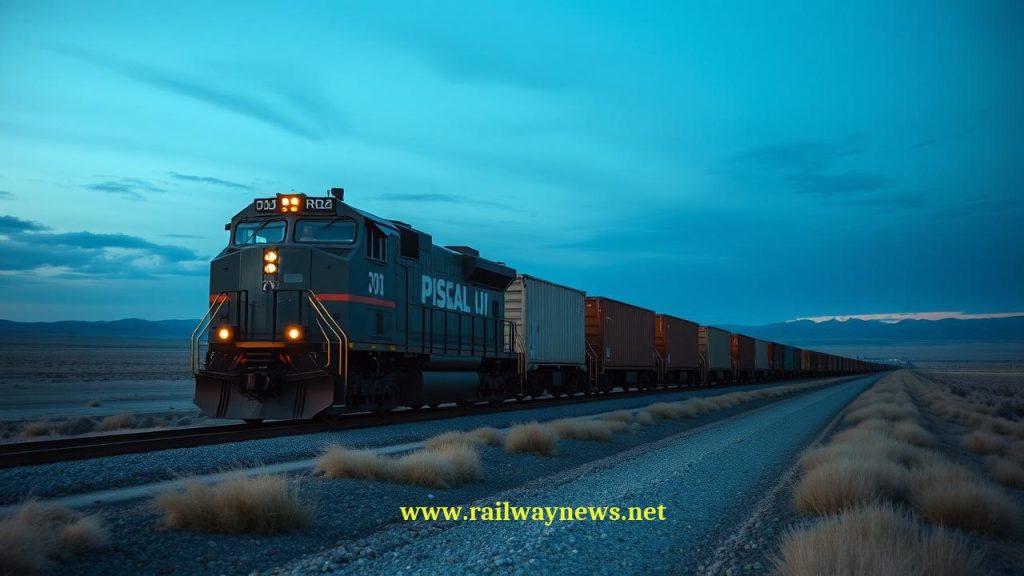
⚡ In Brief: The U.S. Surface Transportation Board is seeking public comment until June 18, 2026, on a proposed rule to accelerate the permitting process for rail infrastructure projects, aligning with the national FAST-41 program’s goal of streamlining approvals.
WASHINGTON D.C. – The U.S. Surface Transportation Board (STB) has unanimously proposed a new rule to modernize and reform its permitting process for rail infrastructure. The board is seeking public comment on the proposal until June 18, 2026. This initiative is designed to accelerate environmental reviews and lower project costs across the national transportation network.
What Does This Regulation Cover?
The proposed rule aims to create a more focused and efficient environmental review process by reducing unnecessary paperwork. It formally aligns the STB’s procedures with current federal law and practices, including guidance from the Council on Environmental Quality. The reform also incorporates legal precedent from the U.S. Supreme Court’s decision in Seven County Infrastructure Coalition v. Eagle County, Colorado, which pertains to agency responsibilities during environmental assessments.
Key Regulatory Data
| Parameter | Value |
|---|---|
| Regulation / Policy Name | Proposed Permitting Modernization and Reform |
| Total Value | Not disclosed |
| Parties Involved | U.S. Surface Transportation Board, Council on Environmental Quality |
| Timeline / Completion | Public comment period ends June 18, 2026 |
| Country / Corridor | United States (nationwide) |
How Does This Compare to Broader US Policy?
This initiative directly aligns with the broader federal effort to expedite major infrastructure projects under the FAST-41 program. FAST-41 was created to improve the timeliness, predictability, and transparency of the federal permitting process for large-scale infrastructure investments. The STB’s proposal mirrors this approach by seeking to cut red tape while maintaining environmental standards, similar to how Idaho’s streamlined process facilitated the Black Pine project. This cross-sector trend towards regulatory efficiency is also visible in finance, where federal bank regulatory agencies have worked to modernize capital frameworks to better align regulatory capital with risk (Source: Federal Reserve, 2026).
Editor’s Analysis
The STB’s proposed reform directly addresses the chronic delays and budget overruns that plague major U.S. passenger and freight rail projects. With undertakings like California’s High-Speed Rail and Seattle’s Sound Transit expansion facing intense scrutiny over costs and timelines, a more predictable federal permitting process is critical for project viability (Source: Newsweek, KOMO News). By streamlining the initial approval stages, the STB aims to create a more stable environment that could de-risk investments and encourage private sector participation in a capital-intensive industry.
FAQ
Q: What is the main goal of the STB’s proposed rule?
A: The primary goal is to accelerate the approval of rail infrastructure projects and lower associated costs across the transportation network. It achieves this by focusing environmental reviews on key issues and reducing administrative paperwork.
Q: What is the deadline for submitting comments on this proposal?
A: All public comments on the proposed rule must be received by the Surface Transportation Board by June 18, 2026. This feedback will inform the board’s final decision on the regulation.
Q: How might this impact future large-scale rail projects?
A: If adopted, this reform could significantly shorten the pre-construction phase for new rail lines, expansions, and related facilities. By creating a more predictable and efficient federal review process, it aims to prevent the types of early-stage regulatory delays that have contributed to cost escalations on past projects.

Railway infrastructure, rolling stock and transport technologies specialist focused on global rail industry developments, high-speed rail systems, signaling technologies and freight transportation. Covering railway investments, public transport modernization, rail operations and international mobility projects across Europe, Asia and North America.
RELATED POSTS

October 1, 2026 7:09 am
United States regulators confirmed a September 30 deadline for the...

October 1, 2026 12:13 am
Illinois approved $1.5 billion annually for the Northern Illinois Transit...

October 4, 2026 5:14 pm
Alstom secured a CA$4.7 billion order from VIA Rail Canada...

October 1, 2026 6:10 am
Amtrak approved a System Expansion Committee on July 30 to...

October 1, 2026 3:12 am
Greenbrier confirmed Brian Comstock as new president and CEO effective...

October 6, 2026 2:14 am
Union Pacific launched export rail shipments with Ferromex to deliver...