
Baltic Operators Launches 20 Regional Electric Trains for Rail Baltica
Baltic operators launched a tender for 20 regional electric trains capable of 200 km/h for Rail Baltica.
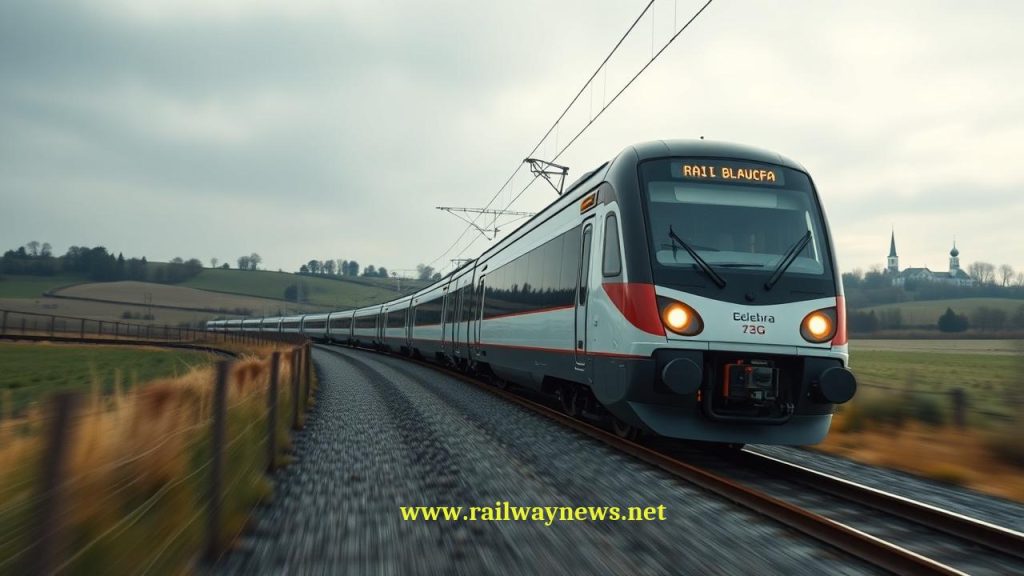
⚡ In Brief: The Baltic states’ passenger operators—Elron, Vivi, and LTG Link—have launched a joint tender for up to 20 regional electric trains for the Rail Baltica corridor, setting a submission deadline of 4 May 2026 for the 200 km/h fleet.
[TALLINN/RIGA/VILNIUS] – The national passenger rail operators of Estonia (Elron), Latvia (Vivi), and Lithuania (LTG Link) have jointly published a procurement for a new fleet of up to 20 regional electric trains. The tender for the standard-gauge (1,435 mm) rolling stock, intended for the new Rail Baltica line, has a submission deadline of 4 May 2026. The trains are required to be capable of speeds up to 200 km/h.
What Does This Contract Cover?
The joint procurement covers the acquisition of over 20 electric multiple units (EMUs), with an initial firm order of up to 20 trains. Estonia plans to procure five units with an option for two more, Latvia may acquire up to five, and Lithuania may purchase up to eight. The technical specifications mandate trains over 160 metres long with at least 200 seats, four wheelchair spaces, a catering area, and room for 20 bicycles. Seating will be configured as 2+2 in standard class and 1+2 in a business class quiet zone, which will comprise 15-20% of the total seats.
Key Contract Data
| Parameter | Value |
|---|---|
| Contract Name | Rail Baltica Regional Train Fleet Procurement |
| Total Value | Not disclosed |
| Parties Involved | Elron (Estonia), Vivi (Latvia), LTG Link (Lithuania), RB Rail AS |
| Timeline / Completion | Submission deadline: 4 May 2026 |
| Country / Corridor | Estonia, Latvia, Lithuania / Rail Baltica |
How Does This Compare to Similar Contracts?
Comparable data for recent cross-border regional train procurements in Europe was not publicly available at the time of publication. The joint nature of this tender across three national operators is notable, differing from single-country fleet renewals. The long tender period, with a deadline in 2026, reflects the long-term planning required to align rolling stock delivery with the multi-year construction schedule of the underlying Rail Baltica infrastructure, of which nearly 43% is currently construction-ready.
Editor’s Analysis
This tender marks a critical step from infrastructure construction to operational planning for Rail Baltica. The procurement’s timing is designed to ensure that modern, compliant rolling stock is available as sections of the new 900 km line become operational. The specification for trains compatible with the line’s ERTMS Level 2 signalling system is crucial, as it aligns the fleet with the growing market for advanced, AI-driven signalling technologies that enhance safety and network capacity. (Source: LightReading, 2026). This proactive acquisition strategy aims to de-risk the project’s ambitious operational launch timeline.
FAQ
Q: Which companies are expected to bid on this contract?
A: While an official bidders list is not public, major European rolling stock manufacturers like Alstom, Siemens, Stadler, and CAF are typical competitors for contracts of this scale. The final participants will become clearer closer to the submission deadline.
Q: What is the total estimated value of this train procurement?
A: The total value of the contract has not been publicly disclosed by the procuring parties. The final cost will depend on the exact number of trains ordered, option exercises, and the specific configurations chosen by each operator.
Q: When will these new trains enter passenger service?
A: The entry-into-service date is directly linked to the construction progress of the Rail Baltica mainline. Given the 2026 submission deadline, initial deliveries are not anticipated before the late 2020s, aligning with the project’s phased commissioning schedule.

Railway infrastructure, rolling stock and transport technologies specialist focused on global rail industry developments, high-speed rail systems, signaling technologies and freight transportation. Covering railway investments, public transport modernization, rail operations and international mobility projects across Europe, Asia and North America.
RELATED POSTS

October 1, 2026 7:09 am
United States regulators confirmed a September 30 deadline for the...

October 8, 2026 1:15 pm
Alstom secured a €1bn contract to build 13 automated trains,...

October 4, 2026 5:14 pm
Alstom secured a CA$4.7 billion order from VIA Rail Canada...

October 1, 2026 12:13 am
Illinois approved $1.5 billion annually for the Northern Illinois Transit...

October 6, 2026 2:14 am
Union Pacific launched export rail shipments with Ferromex to deliver...

October 1, 2026 6:10 am
Amtrak approved a System Expansion Committee on July 30 to...