
CER Joins EU Climate Pact With 1,200+ Ambassadors, 110 Partners
CER joins the European Climate Pact, a European Commission initiative involving 1,200+ ambassadors and 110 partners, for EU 2050 climate neutrality.
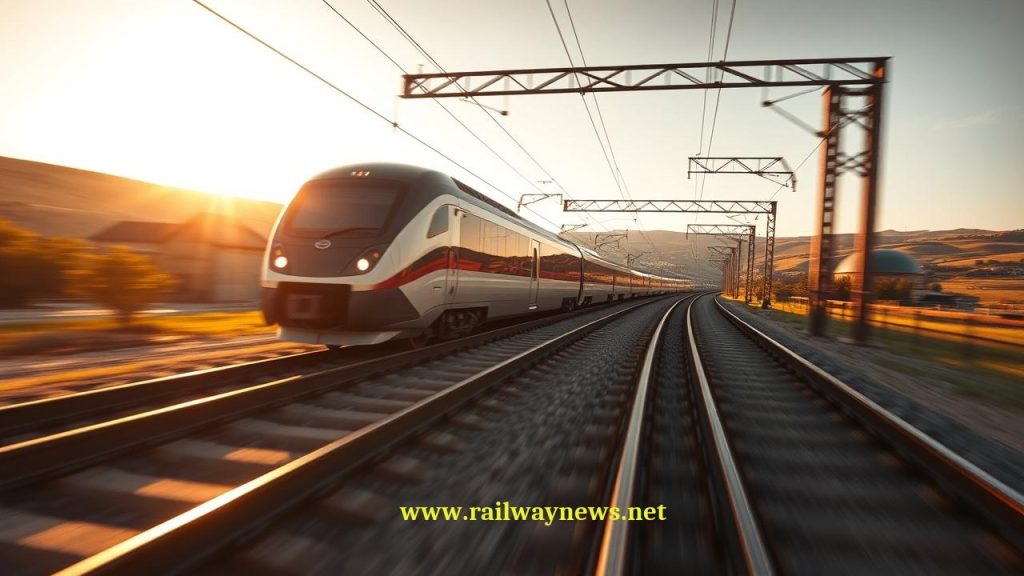
📉 Market Brief:
- Event: CER joins European Climate Pact to advocate for rail transport.
- Key Data: Pact includes 1,200+ ambassadors and 110 partner organizations.
- Impact: Influences EU transport policy and rail’s role in the 2050 climate goals.
The Community of European Railway and Infrastructure Companies (CER) has officially partnered with the European Climate Pact. This initiative, launched by the European Commission, is a core component of the European Green Deal, which mandates the European Union’s goal of achieving climate neutrality by 2050. Specific dates and financial terms of the partnership were not disclosed in the provided information.
The European Climate Pact functions as an EU-wide network that brings together more than 1,200 ambassadors and 110 partner organizations from all 27 EU Member States. Its stated purpose is to raise awareness of climate change and involve citizens and organizations in climate action. The pact facilitates dialogue between citizens, experts, institutions, and the business community to encourage systemic, bottom-up change.
Through this partnership, CER will contribute rail-specific expertise to the climate transition framework. The organization will represent European railway operators and infrastructure managers, bringing their perspective to the EU-wide network of climate advocates. This position allows CER to directly influence discussions on sustainable mobility and decarbonization strategies.
Rail transport is identified within the Pact’s framework as a key solution for reducing greenhouse gas emissions. The initiative provides a platform to promote a modal shift of traffic from more polluting transport such as road and air. By involving rail sector entities, the Pact aims to accelerate the exchange of best practices and integrate rail transport more deeply into national and EU-level climate policies.
The partnership is expected to support investments in critical areas for rail development. These priorities include the electrification of lines to reduce dependency on diesel, enhancing interoperability to streamline cross-border traffic, and advancing digitization to improve network efficiency. These technical advancements are considered essential for rail to function as a pillar of the European green transition.
This integration formally positions the European rail sector as an essential component in achieving the EU’s 2050 climate neutrality targets. The collaboration is intended to strengthen the case for rail in future policy-making, contributing to both the decarbonization of transport and the economic cohesion of the European Union.

Railway infrastructure, rolling stock and transport technologies specialist focused on global rail industry developments, high-speed rail systems, signaling technologies and freight transportation. Covering railway investments, public transport modernization, rail operations and international mobility projects across Europe, Asia and North America.
RELATED POSTS

October 1, 2026 7:09 am
United States regulators confirmed a September 30 deadline for the...
October 1, 2026 10:14 am
HS2 installed a 55-metre steel span in Birmingham, completing phase...
October 1, 2026 2:12 pm
Pittsburgh Regional Transit secured an $82.8 million FTA grant to...

October 1, 2026 9:10 am
Transpennine Route Upgrade launched a £270,000 fund on 28 September,...
October 1, 2026 11:13 am
Norfolk Southern expanded its 3B Corridor in Alabama in 2025,...

October 1, 2026 1:12 pm
CSX expanded Queensgate Yard in Cincinnati by installing 42 power...