
SBB Cargo Confirms Re 474 Withdrawal, Eyes 60% Cost Cut
SBB Cargo retires Re 474 locomotives, aiming to standardize its fleet and slash operating costs by 60% by 2040, boosting efficiency in rail freight.
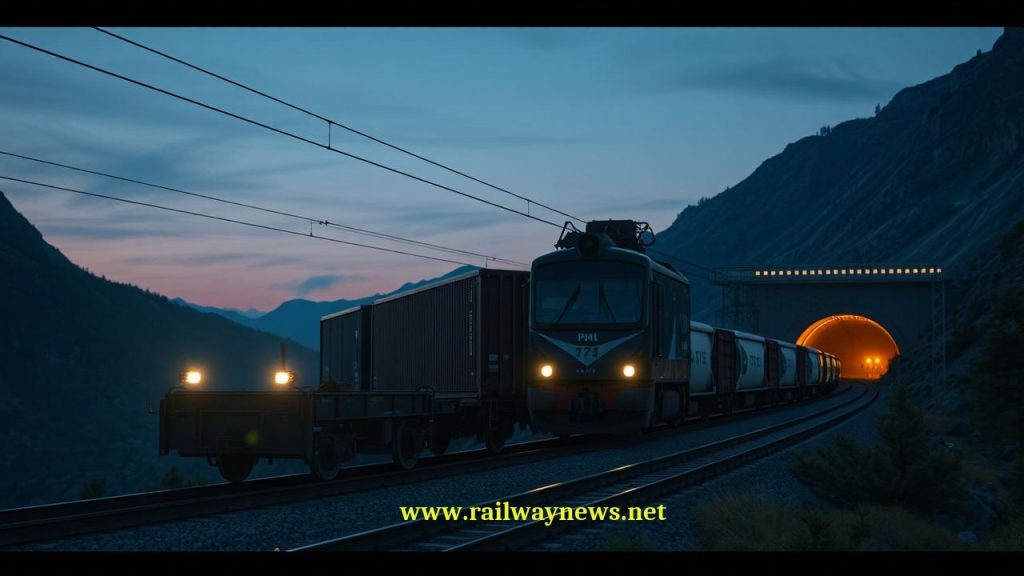
ZURICH, SWITZERLAND – SBB Cargo Switzerland has confirmed the withdrawal of its entire fleet of 12 Re 474 multi-system locomotives by the end of 2025, a decisive step in its ambitious strategy to radically simplify its rolling stock and slash fleet operating costs by an estimated 60% by 2040. The move signals an aggressive push towards standardization, aiming to replace six mainline locomotive types with a single modern platform from Stadler Rail.
| Category | Details |
|---|---|
| Affected Rolling Stock | 12x Re 474 Mainline Locomotives |
| Manufacturer | Siemens (Based on Eurosprinter ES 64 F4 platform) |
| Withdrawal Date | End of 2025 |
| Key Technical Feature | Quad-voltage system for cross-border traffic (Switzerland/Italy) |
| Strategic Goal | Reduce fleet operating costs by ~60% and simplify fleet to one mainline loco type by 2035 |
SBB Cargo Switzerland is accelerating its long-term fleet modernization program with the official decision to withdraw and sell its 12 Re 474 mainline locomotives. The units, which represented the smallest and most distinct sub-fleet within the operator’s portfolio, were returned to the domestic operator by SBB Cargo International following a decline in European rail freight volumes. As the Swiss operator has no further operational requirement for these specialized cross-border locomotives, they are now being offered for sale on the open market, marking the first major cull in the company’s sweeping standardization plan.
The Re 474 locomotives, delivered in 2005, are a variant of the highly capable Siemens Eurosprinter ES 64 F4 family. Their defining feature is their quad-voltage capability, allowing them to operate seamlessly across different European electrification systems (15 kV AC in Switzerland, 3 kV DC in Italy, etc.). While this versatility was essential for their previous role in transalpine freight, it also introduces maintenance complexity and costs that run counter to SBB Cargo’s new strategy. The future fleet, centered on a single locomotive type from Stadler Rail Valencia, will prioritize standardized components and streamlined maintenance protocols to maximize availability and drive down lifecycle costs.
This withdrawal is a cornerstone of a detailed corporate strategy designed to overhaul SBB Cargo’s entire asset portfolio by 2040. The operator currently manages a complex and aging fleet, including six different types of mainline locomotives, four types of shunting locomotives, and a vast array of freight wagons. The plan aims to consolidate the mainline fleet to a single type by 2035 and the shunting fleet to just two types after 2030. Similarly, the freight car fleet will be standardized to three versatile wagon types, positioning the company to compete more effectively through operational excellence and paving the way for greater digitization and automation in its services.
Key Takeaways
- Radical Simplification: SBB Cargo will reduce its mainline locomotive fleet from six distinct types to a single standardized model by 2035 to cut complexity and cost.
- Significant Cost Savings: The company projects a 60% reduction in fleet operating costs through standardization, more efficient maintenance, and the retirement of aging assets.
- Market-Driven Modernization: The introduction of a modern, uniform fleet is seen as a critical step to enhance competitiveness and enable the adoption of digital and automated technologies in rail freight.
Editor’s Analysis
SBB Cargo’s decision to divest the Re 474 fleet is more than a routine fleet adjustment; it is a clear and decisive signal to the market. This move exemplifies a critical trend among Europe’s state-owned rail freight operators: aggressively tackling the high total cost of ownership (TCO) associated with diverse and aging rolling stock. By sacrificing the niche operational flexibility of a small, specialized fleet for the overwhelming economic benefits of standardization, SBB Cargo is making a calculated bet on efficiency over complexity. This strategy is essential for competing not only with other rail operators but, more importantly, with the relentless cost-efficiency of road transport. The success of this 2040 vision will serve as a crucial case study for other legacy carriers navigating the transition to a more digitized and economically sustainable future.
Frequently Asked Questions
- Why is SBB Cargo retiring the Re 474 locomotives?
- The Re 474s are being retired because they form the smallest and most specialized sub-fleet, making them non-compliant with the new strategy of radical fleet standardization. SBB Cargo Switzerland has no operational need for them after they were returned from the international division.
- What is the primary goal of SBB Cargo’s fleet renewal strategy?
- The main goal is to significantly reduce operational complexity and cost. By standardizing its fleet to one mainline locomotive type, two shunter types, and three wagon types, the company aims to cut operating expenses by around 60% and improve service reliability.
- What will replace the diverse locomotive fleet?
- By 2035, SBB Cargo plans to operate a single type of modern mainline locomotive supplied by Stadler Rail Valencia S.A.U. Retiring locomotives will be sold or have their usable components recovered for reuse, in line with circular economy principles.

Railway infrastructure, rolling stock and transport technologies specialist focused on global rail industry developments, high-speed rail systems, signaling technologies and freight transportation. Covering railway investments, public transport modernization, rail operations and international mobility projects across Europe, Asia and North America.
RELATED POSTS
September 6, 2026 5:19 am
Hitachi delivered Taiwan's first N700ST high-speed train from Japan in...

September 5, 2026 4:19 pm
CPK launched formal tender talks with four consortia to design...

September 6, 2026 4:12 am
Alstom delivered the first of 100 new G Class trams...
September 6, 2026 1:17 am
Hitachi Toshiba Supreme Consortium confirmed the first of 12 N700ST...

September 6, 2026 8:17 am
DB InfraGO reopened the Nuremberg-Regensburg line in Bavaria on 31...
September 5, 2026 6:17 pm
Universal Signalling won a deal to install its U-Cross system...