
MBTA’s Green Rail Push: BEMU Fleet & Operator Shortlist
MBTA shortlists three giants for its commuter rail contract, mandating battery-electric trains. This signals a major push for sustainable transit and modernization in Boston.
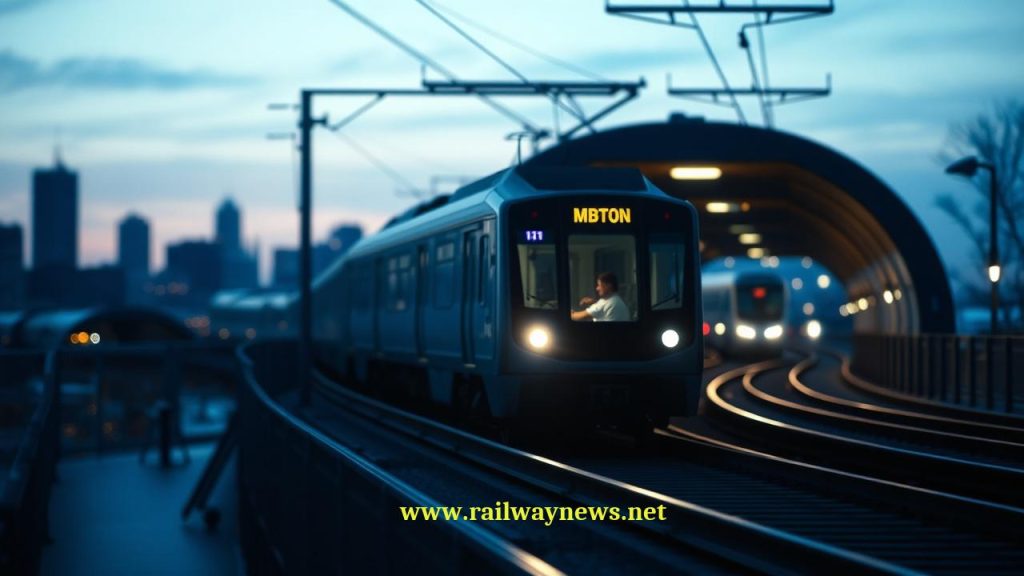
BOSTON, MA – The Massachusetts Bay Transportation Authority (MBTA) has shortlisted three multinational consortiums to bid for its next commuter rail operating contract, a multi-year agreement that includes a mandate to decarbonize a key line with battery-electric trains. This major procurement initiative in Boston is indicative of a broader trend of substantial rail investment across the United States, with major projects also advancing in regions like Southern California and Virginia.
| Category | Details |
|---|---|
| Project | MBTA Commuter Rail Operations & Modernization Contract |
| Current Contract Expiration | June 30, 2027 |
| Shortlisted Bidders | 1. Keolis / Alstom JV 2. Alternate Concepts / TransitAmerica / RATP Consortium 3. Transdev / Transport UK Consortium |
| Key Mandate | Decarbonization of the Fairmount Line |
| Technology Focus | Procurement and launch of Battery-Electric Multiple Units (BEMUs) by 2028 |
The Massachusetts Bay Transportation Authority (MBTA) officially announced yesterday it is moving forward with the procurement process for its next commuter rail contract by requesting proposals from three pre-qualified teams. The high-stakes competition will see a joint venture of Keolis America Inc. and Alstom Transport USA Inc. compete against two other powerful consortiums: one comprising Alternate Concepts Inc., TransitAmerica Services Inc., and RATP Developpement S.A.; and another featuring Transdev North America, Inc., and Transport UK Holdings Ltd. The successful bidder will take over operations when the current contract expires on June 30, 2027, assuming responsibility for one of the busiest commuter rail networks in the United States.
A central pillar of the new contract is a significant technological and environmental upgrade for the system. The selected operator will be tasked with overseeing the procurement and launch of a new fleet of battery-electric multiple units (BEMUs) for the Fairmount Line, with a target service start date in 2028. This initiative marks a critical step in the MBTA’s decarbonization strategy, replacing the line’s aging diesel-powered fleet. While specific technical specifications for the new BEMU fleet have not yet been released, the operator’s role will extend beyond day-to-day service to include direct oversight of this complex fleet transition, a model that integrates operations with long-term capital modernization.
The MBTA’s initiative is not happening in a vacuum; it is part of a larger, nationwide surge in passenger rail investment. In Southern California, for example, Granite Construction recently secured a $24 million contract to upgrade a Metrolink station to improve service reliability and meet growing demand. Meanwhile, Virginia is considering a massive, near-$700 million plan to restore a rail corridor and develop an adjacent trail in the Shenandoah Valley. These projects, along with strategic reviews like Sound Transit’s “Enterprise Initiative” in Washington state, underscore a national commitment to enhancing and modernizing rail infrastructure, making the MBTA contract a critical barometer for the health and direction of the North American market.
Key Takeaways
- Intense Competition: Three global transportation giants are vying for the contract, signaling its prestige and strategic importance in the North American rail market.
- Decarbonization is a Core Requirement: The contract explicitly mandates the transition of the Fairmount Line to battery-electric trains, making sustainability a non-negotiable performance metric.
- Expanded Operator Responsibilities: The winning bidder’s role will transcend traditional operations to include managing system modernization, overseeing major fleet procurement, and managing assets like parking facilities.
Editor’s Analysis
The MBTA’s procurement process is more than just a regional contract renewal; it’s a bellwether for the future of public-private partnerships in US rail. By bundling operations with a clear mandate for fleet decarbonization and modernization oversight, the MBTA is setting a new standard for operator accountability and performance. This move effectively transforms the operator from a simple service provider into a key partner in the authority’s long-term strategic vision. For the global rail industry, this contract is a crucial test case for integrating zero-emission technology into a legacy heavy-rail network and will be closely watched by transit authorities and suppliers worldwide as a model for future green transitions.
Frequently Asked Questions
- Who is qualified to bid on the new MBTA commuter rail contract?
- The MBTA has qualified three teams: a joint venture of Keolis America and Alstom Transport USA; a consortium of Alternate Concepts, TransitAmerica Services, and RATP Developpement; and a consortium of Transdev North America and Transport UK Holdings.
- When does the current MBTA commuter rail contract end?
- The current contract is set to expire on June 30, 2027. The new operator will take over after this date.
- What is a major technological upgrade included in the new contract?
- A key requirement is the decarbonization of the Fairmount Line, which involves the selected operator overseeing the procurement and launch of new battery-electric trains to replace the current diesel fleet by 2028.

Railway infrastructure, rolling stock and transport technologies specialist focused on global rail industry developments, high-speed rail systems, signaling technologies and freight transportation. Covering railway investments, public transport modernization, rail operations and international mobility projects across Europe, Asia and North America.
RELATED POSTS

October 1, 2026 7:09 am
United States regulators confirmed a September 30 deadline for the...

October 1, 2026 12:13 am
Illinois approved $1.5 billion annually for the Northern Illinois Transit...

October 1, 2026 5:14 am
Siemens confirmed delivery of the first new S200 train to...

October 1, 2026 6:10 am
Amtrak approved a System Expansion Committee on July 30 to...

October 1, 2026 3:12 am
Greenbrier confirmed Brian Comstock as new president and CEO effective...

October 1, 2026 4:10 am
DART launched two public ridership dashboards in March 2026 to...