
Caltrain South San Francisco: Commuter Rail Infrastructure Upgrades
Upgrade your commuter rail system with modern infrastructure and a superior passenger experience. Discover how public-private partnerships can fuel this transformation!
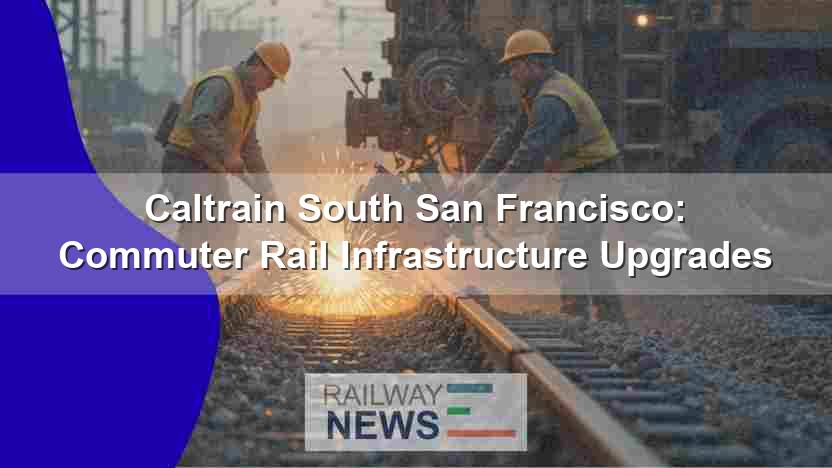
This article explores the critical need for detailed infrastructure upgrades and enhancements to the passenger experience in commuter rail systems. Modernizing these systems is not just about improving efficiency and capacity, but also about creating a more reliable, comfortable, and ultimately, desirable transportation option for commuters. We will explore the key challenges facing these systems, focusing on technological advancements and innovative strategies for attracting and retaining riders. From optimizing track maintenance and signal systems to implementing smart ticketing and real-time passenger information displays, we examine practical solutions to create robust and user-friendly commuter rail networks. The discussion will highlight the importance of public-private partnerships in financing and managing these complex projects, ensuring sustainable growth and long-term viability. By enhancing efficiency, safety, and the overall passenger experience, commuter rail systems can play a crucial role in mitigating urban congestion and promoting sustainable urban development.
Optimizing Infrastructure for Enhanced Reliability
Outdated infrastructure is a significant barrier to enhancing commuter rail performance. Regular track maintenance, including ballast replacement, rail grinding, and the implementation of advanced sensing technologies, is vital for preventing delays and ensuring the safety of passengers and staff. Modernization of signaling systems, moving towards more sophisticated, computer-controlled systems (e.g., Automatic Train Protection, or ATP), is crucial for increasing train capacity while improving safety by reducing the risk of collisions. Integrating real-time data feeds from sensors along the track can further enhance the predictability and reliability of schedules.
Enhancing the Passenger Experience through Technology
Modernizing commuter rail systems must prioritize a superior passenger experience. Implementing contactless payment systems and integrating smart ticketing platforms greatly enhances the speed and efficiency of boarding and reduces queues. Real-time passenger information displays, accessible via mobile devices and on-board screens, provide crucial information about schedule changes, platform delays, and estimated arrival times. Accessibility features, such as ramps, elevators, and designated seating areas, are vital in ensuring inclusivity and comfort for all passengers, including individuals with disabilities. Improving the overall aesthetic of stations and incorporating comfortable waiting areas enhances the overall perception of the journey.
The Role of Public-Private Partnerships in Funding and Management
The sheer scale of infrastructure improvements required often necessitates the collaboration of public and private sectors. Public-private partnerships (PPPs) can be instrumental in securing funding, expertise, and management resources. These partnerships can leverage private sector investment while maintaining public oversight and accountability. The implementation of effective risk-sharing agreements between public and private entities ensures that both parties contribute strategically to successful project outcomes. The allocation of responsibilities and financial liabilities must be clearly defined to avoid potential future conflicts.
Caltrain South San Francisco Station Improvement Project: A Case Study
The upcoming Caltrain South San Francisco Station Improvement project exemplifies the importance of balancing infrastructure upgrades with enhanced passenger experience. This project, anticipated to significantly improve the existing station’s capacity, aims to address critical issues such as overcrowding and accessibility challenges. The project’s success hinges on meticulous planning, clear communication with stakeholders, and proactive measures to minimize disruptions to commuters during the construction period. This kind of targeted investment directly benefits commuters and reflects the broader need for prioritizing infrastructure improvement in public transportation systems. The South San Francisco station project stands as a model initiative for similar ventures across other commuter rail systems.
Conclusions
This article has examined the multifaceted challenges and opportunities associated with enhancing commuter rail systems. The critical need for optimized infrastructure, encompassing reliable track maintenance and advanced signaling technologies, has been emphasized. Additionally, enhancing the passenger experience through the integration of modern technology, such as contactless payment systems and real-time information, is essential for attracting and retaining riders. Public-private partnerships (PPPs) play a vital role in funding and managing these ambitious projects, providing a sustainable framework for long-term success. The example of the Caltrain South San Francisco Station Improvement project highlights the need for targeted investment in commuter rail infrastructure to address specific challenges and ensure a more efficient and enjoyable passenger experience. Ultimately, enhancing commuter rail systems through these holistic approaches is crucial to the future of sustainable and efficient urban transportation. The significant enhancements anticipated for the South San Francisco Station demonstrate the tangible benefits of such improvements, impacting the community and highlighting the need for infrastructure investments and upgrades to meet contemporary needs within our urban environments.
You might be interested in:
Last December 2018, we published an article about NSW’s high-speed rail feasibility study. Click here to read – NSW High-Speed Rail: Feasibility Study & Future

Railway infrastructure, rolling stock and transport technologies specialist focused on global rail industry developments, high-speed rail systems, signaling technologies and freight transportation. Covering railway investments, public transport modernization, rail operations and international mobility projects across Europe, Asia and North America.
RELATED POSTS

September 6, 2026 5:19 am
Hitachi delivered Taiwan's first N700ST high-speed train from Japan in...

September 5, 2026 4:19 pm
CPK launched formal tender talks with four consortia to design...

September 6, 2026 4:12 am
Alstom delivered the first of 100 new G Class trams...

September 5, 2026 7:14 pm
HS2 Ltd signed renegotiated civils contracts with EKFB and Align...

September 6, 2026 6:17 am
Hungary ordered a national ban on most freight trains from...

September 6, 2026 1:17 am
Hitachi Toshiba Supreme Consortium confirmed the first of 12 N700ST...