
Dhaka MRT Line-6: Optimizing Global Rail Infrastructure
Elevate your passengers’ experience with optimized railway infrastructure. Learn how modernizing stations, integrating technology, and planning for growth boosts ridership and sustainability. Discover how!
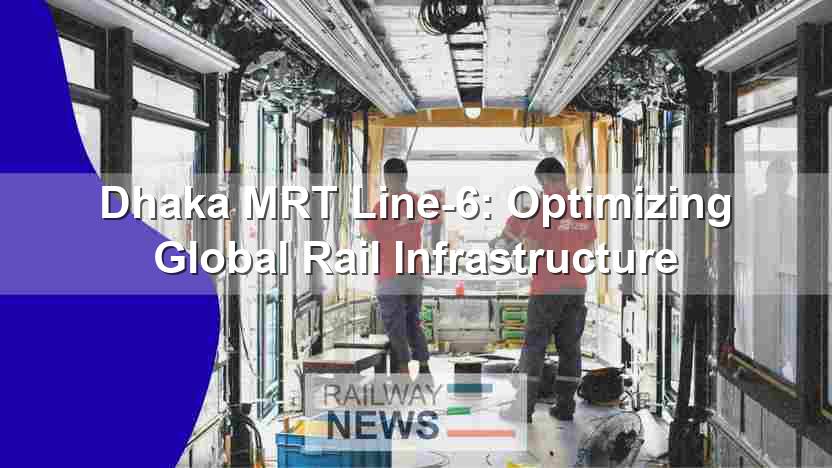
This article explores the crucial aspects of optimizing railway infrastructure to enhance the passenger experience. From modernizing existing lines to planning for future growth, the focus is on creating a seamless, efficient, and enjoyable journey for commuters. This examination considers factors ranging from platform accessibility and station design to integrating advanced technologies for real-time information and passenger safety. The integration of these strategies is critical for attracting and retaining passengers, boosting ridership, and ensuring the long-term sustainability of railway systems. The case study of the Dhaka MRT Line-6 serves as an example of the complexities and opportunities in modernizing rail systems, showcasing successful implementation of advanced passenger information and safety measures.
The Imperative of Efficient Infrastructure Design
Modern railway infrastructure must be designed with passenger comfort and efficiency in mind. This involves optimizing track geometry for higher speeds and reducing friction, ensuring seamless connectivity between stations, and implementing advanced signaling systems to minimize delays. Additionally, the design of stations plays a pivotal role in the overall passenger experience. Accessibility features, intuitive wayfinding systems, and well-maintained facilities contribute significantly to a positive perception of the railway system. Proper integration of multimodal transportation options, such as seamless connections with bus and metro lines, ensures a detailed and convenient journey for commuters. Safety protocols, including robust security measures at stations and onboard, also contribute to a sense of security and trust in the railway system.
Implementing Advanced Technologies for Enhanced Passenger Experience
Advanced technologies are revolutionizing the railway industry, improving passenger experiences and operational efficiency. Real-time information systems provide passengers with up-to-the-minute updates on train schedules, delays, and platform arrivals. Mobile applications allow passengers to purchase tickets, monitor train locations, and access relevant information on the go. Additionally, automated fare collection systems streamline ticketing processes and reduce wait times. The integration of these technologies enhances the overall passenger experience by improving accessibility, providing real-time insights, and boosting efficiency. These advancements also reduce the cost of providing information and services to passengers. By implementing these advanced technological solutions, railways can deliver greater value and satisfaction to their customers, strengthening their competitive advantage.
The Future of Railway Infrastructure Development
Future development of railway infrastructure must anticipate growing passenger demands. This includes planning for new lines, expanding existing capacity, and modernizing existing systems to enhance safety and performance. This calls for a forward-looking approach that addresses urban sprawl and population growth, allowing the railway network to adapt and cater to the needs of a diverse and expanding population. Investing in state-of-the-art infrastructure enables railways to compete effectively in the transport sector. This proactive approach to expansion not only accommodates current passenger numbers but also anticipates future growth, allowing railways to maintain their relevance and position within the transportation ecosystem. Incorporating sustainable practices into infrastructure development is also critical for long-term environmental responsibility.
Case Study: Modernization of the Dhaka MRT Line-6
The Dhaka MRT Line-6 project offers a fascinating case study of modern railway infrastructure development. The project’s meticulous planning, stakeholder engagement, and the integration of advanced technologies demonstrate the possibilities of improving a railway network. The focus on integrating modern passenger information systems and safety enhancements can inspire and guide similar projects globally. Careful consideration was given to issues like platform accessibility, ticketing systems, and public safety, thereby setting an example for other urban railway systems.
Conclusions
This article has explored the multifaceted nature of enhancing the passenger experience through optimized railway infrastructure. From the necessity of efficient infrastructure design to the transformative impact of advanced technologies, each component plays a crucial role in shaping a positive and productive travel experience. The article highlighted the importance of strategic planning and adaptation, particularly concerning the needs of a growing population. The future of railway infrastructure development hinges on anticipating future demand through expansion and modernization while simultaneously adopting sustainable practices to mitigate environmental impact. The Dhaka MRT Line-6 project serves as a compelling example of the complex yet rewarding endeavor of modernizing existing railway systems. This necessitates a detailed approach encompassing a deep understanding of passenger needs and incorporating advanced technologies. Efficient planning, robust safety measures, and seamless connectivity all contribute to creating an appealing, reliable, and well-utilized railway system. Implementing these principles will result in significant improvements in passenger satisfaction and operational efficiency, making rail travel a preferred mode of transportation for both commuters and tourists alike. By carefully considering each facet of infrastructure development, railway systems can achieve optimal performance and attract a wider clientele. Implementing such strategies will foster long-term sustainability for railway systems and position them as essential contributors to economic growth and urban development.
You might be interested in:
Last December 2018, we published an article about global railway investment and infrastructure projects. Click here to read – Global Rail Deals: Mega-Projects & Investments

Railway infrastructure, rolling stock and transport technologies specialist focused on global rail industry developments, high-speed rail systems, signaling technologies and freight transportation. Covering railway investments, public transport modernization, rail operations and international mobility projects across Europe, Asia and North America.
RELATED POSTS

September 5, 2026 4:19 pm
CPK launched formal tender talks with four consortia to design...
September 6, 2026 8:17 am
DB InfraGO reopened the Nuremberg-Regensburg line in Bavaria on 31...
September 5, 2026 6:17 pm
Universal Signalling won a deal to install its U-Cross system...
September 6, 2026 12:20 pm
Indian Railways ordered a probe after a fire destroyed 2...
September 7, 2026 11:16 pm
China Railway Tunnel Group completed the 11.3-km underwater Yangtze tunnel...
September 6, 2026 7:12 am
Renfe invests €1bn by 2030 to fix its rail depots...