
High-Speed Rail Infrastructure Optimization: Future Trends
Revolutionize high-speed rail! Optimize your infrastructure for faster, safer passenger travel, using advanced track design and signaling. Discover how!
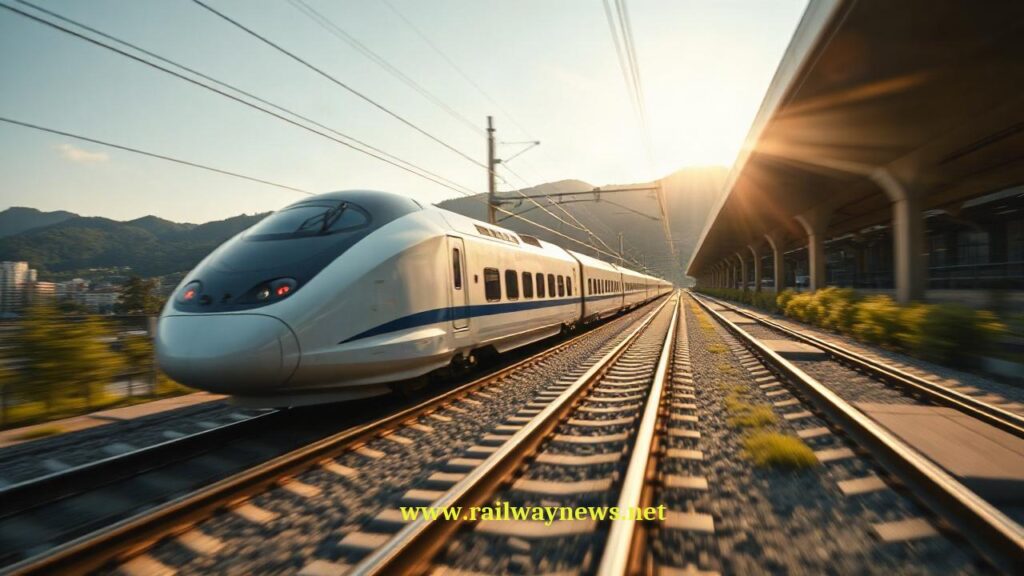
This article explores the crucial aspects of optimizing railway infrastructure to support high-speed passenger transport. From track design and signaling systems to the integration of advanced technologies, the efficiency and reliability of high-speed rail networks are paramount for modern transportation needs. The evolution of passenger rail, particularly in the context of rapid urbanization and growing populations, necessitates continuous improvements in infrastructure. This analysis explores how incorporating innovative technologies and strategic planning can enhance the passenger experience, reduce travel times, and increase the overall effectiveness of high-speed rail systems. We will examine the role of infrastructure upgrades, technological advancements, and operational improvements in driving the future of high-speed rail.
You might be interested in:
Last December 2018, we published an article about Mumbai’s massive metro expansion. Click here to read – Mumbai Metro Expansion: $2.12B Investment in Urban Mobility
High-Speed Track Design and Maintenance
Modern high-speed rail necessitates specialized track design. This includes precise alignment, minimizing curves and ensuring a smooth transition to maximize speed and reduce wear. Frequent and thorough maintenance, using advanced inspection technologies and predictive maintenance models, is vital for preventing costly disruptions and ensuring consistent high-speed operation. This includes implementing specialized maintenance protocols for ballast replacement, rail grinding, and drainage systems to address specific challenges related to high-speed travel.
Advanced Signaling and Communication Systems
Advanced signaling systems are critical for high-speed rail. These systems must be capable of precisely controlling train movements at high speeds, enabling very short stopping distances, and accommodating extremely high train frequencies. Integrating communication systems to facilitate real-time data exchange between trains and the control center is essential for operational efficiency. This includes the use of ETCS (European Train Control System) or similar protocols to ensure safe and reliable operation.
Passenger Comfort and Amenities
The passenger experience is a significant factor in high-speed rail adoption. This chapter focuses on improving passenger comfort by incorporating advanced features, such as climate control, ergonomic seating, enhanced onboard entertainment options, and accessibility features. Careful planning of station design and layout can also significantly improve passenger flow, reducing waiting times and optimizing the overall experience. Design decisions must consider factors such as capacity and the integration of various technological applications for passenger information and safety.
Conclusion
Optimizing railway infrastructure for high-speed passenger transport is a multifaceted undertaking requiring careful consideration of various technical and logistical elements. The discussed components—track design and maintenance, advanced signaling systems, and passenger comfort enhancements—are integral parts of a detailed strategy to create efficient, safe, and enjoyable high-speed rail travel. The adoption of innovative technologies and strategic infrastructure improvements, such as the use of advanced materials, can help address challenges associated with speed, safety, and capacity. This includes streamlining train scheduling and developing advanced traffic management techniques, which are vital for maximizing the capacity and efficiency of a high-speed rail system. Additionally, successful high-speed rail systems require strong government support, effective regulatory frameworks, and collaborations among various stakeholders. The rise of the Virgin Azuma train exemplifies the possibilities of innovative design and engineering in the high-speed rail sector. These examples highlight the importance of balancing technological advancements with customer demand, fostering a positive user experience, and ultimately shaping the future of transportation. It is evident that investments in robust and efficient high-speed rail infrastructure, incorporating the best practices in track design, signaling, passenger comfort, and operational efficiency, are fundamental to achieving sustainability and a positive public perception of this crucial transportation mode.

Railway infrastructure, rolling stock and transport technologies specialist focused on global rail industry developments, high-speed rail systems, signaling technologies and freight transportation. Covering railway investments, public transport modernization, rail operations and international mobility projects across Europe, Asia and North America.
RELATED POSTS
September 6, 2026 5:19 am
Hitachi delivered Taiwan's first N700ST high-speed train from Japan in...

September 5, 2026 4:19 pm
CPK launched formal tender talks with four consortia to design...

September 6, 2026 4:12 am
Alstom delivered the first of 100 new G Class trams...
September 6, 2026 6:17 am
Hungary ordered a national ban on most freight trains from...
September 6, 2026 1:17 am
Hitachi Toshiba Supreme Consortium confirmed the first of 12 N700ST...
September 7, 2026 8:16 am
Midea, Gree and TCL shipped air conditioners via China Railway...