
Port Freeport Rail Project: Optimizing Freight Rail Efficiency
Optimize your freight rail network for economic growth. The Port Freeport project shows how strategic investments drive efficiency and regional prosperity. Discover how!
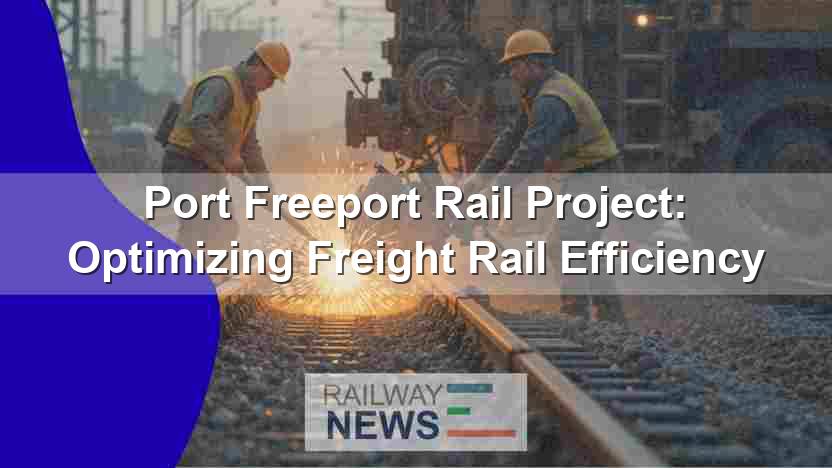
This article explores the critical role of strategically designed and well-maintained freight rail networks in fostering economic growth, particularly in port-centric regions. We will examine the key factors influencing rail efficiency and explore the potential benefits of a dedicated rail project, focusing on the Port Freeport rail project as a case study. Modernizing existing infrastructure, implementing advanced signaling systems, and optimizing logistics processes are crucial for enhancing freight movement. This analysis will highlight how effective rail networks can drive economic activity by supporting port operations, facilitating intermodal transport, and providing cost-effective transportation solutions for businesses. The seamless integration of rail with other transportation modes, such as trucks and waterways, further enhances efficiency and reduces overall transportation costs. This study will ultimately illustrate how well-planned rail initiatives can positively impact the regional economy.
Infrastructure Optimization for Freight Rail Efficiency
Effective freight rail networks require robust infrastructure, encompassing the condition of tracks, signaling systems, and maintenance facilities. Adequate track maintenance is paramount, as damaged or poorly maintained tracks lead to delays, increased operational costs, and reduced capacity. Upgrading existing tracks to higher standards, introducing advanced signaling technologies, such as positive train control (PTC), and deploying maintenance equipment with automation capabilities are crucial for optimizing freight rail operations. Improved track ballast, well-maintained bridges and tunnels, and the implementation of dedicated freight corridors are vital steps in ensuring consistent throughput and reducing delays within the network.
Intermodal Integration and Logistics Optimization
Seamless integration between rail and other transportation modes, such as trucks and waterways, is critical for enhancing the overall efficiency of the freight system. This requires standardized intermodal terminals and seamless transfer processes, allowing freight to transition effortlessly between different transport modes. Efficient logistics planning and route optimization, often using advanced computer software, are essential for minimizing delays, improving turnaround times, and reducing overall transportation costs. The ability to efficiently handle various freight types and sizes within the rail system, including bulk commodities and specialized containers, is also important.
The Port Freeport Rail Project: A Case Study in Efficiency
The Port Freeport rail project exemplifies the crucial role of strategic rail infrastructure development in supporting economic growth in port regions. The project likely involves significant investments in track upgrades, signaling improvements, and the creation of new intermodal terminals. By optimizing the flow of freight from the port facilities to the inland regions, the project reduces transit times, increases capacity, and provides cost-effective transport options. It will contribute substantially to enhancing the competitiveness of regional businesses by facilitating their access to broader markets and supporting the expansion of industrial activities.
Conclusion: Driving Economic Growth through Strategic Rail Investments
This analysis demonstrates the critical importance of robust and efficient freight rail networks for regional economic growth. Investing in infrastructure, optimizing logistics, and fostering intermodal integration are essential for driving efficiency and competitiveness. The Port Freeport rail project serves as an excellent case study, illustrating the potential economic benefits of strategic rail investments. By reducing transportation costs, improving transit times, and enhancing the movement of goods and services, well-designed rail networks stimulate economic activity, support port operations, and foster regional prosperity. Effective freight rail solutions also promote a reduction in environmental impact through the shift from road transport, which is a significant driver towards sustainable practices. The Port Freeport project holds great potential for boosting the economy and creating new jobs in the region. The success of the project will greatly depend on the integration of technology, effective planning, and consistent maintenance.
The success of the project will greatly depend on the integration of technology, effective planning, and consistent maintenance.
To summarize, a well-structured and maintained freight rail system, like the Port Freeport project, offers substantial economic benefits, providing a cornerstone for sustainable economic growth in port regions. Strategic investments in freight rail networks will be crucial in future economic endeavors for efficient and sustainable transportation.
You might be interested in:
Last December 2018, we published an article about Luxembourg’s rail upgrade. Click here to read – Luxembourg’s €360M Rail Upgrade: New Coradia Trains

Railway infrastructure, rolling stock and transport technologies specialist focused on global rail industry developments, high-speed rail systems, signaling technologies and freight transportation. Covering railway investments, public transport modernization, rail operations and international mobility projects across Europe, Asia and North America.
RELATED POSTS
September 6, 2026 5:19 am
Hitachi delivered Taiwan's first N700ST high-speed train from Japan in...

September 5, 2026 4:19 pm
CPK launched formal tender talks with four consortia to design...

September 5, 2026 7:14 pm
HS2 Ltd signed renegotiated civils contracts with EKFB and Align...
September 6, 2026 1:17 am
Hitachi Toshiba Supreme Consortium confirmed the first of 12 N700ST...

September 6, 2026 4:12 am
Alstom delivered the first of 100 new G Class trams...
September 6, 2026 6:17 am
Hungary ordered a national ban on most freight trains from...