
Stouffville GO Corridor Upgrade: Rail Infrastructure Optimization
Unlock the secrets to optimizing your railway infrastructure. The Stouffville GO Corridor Upgrade provides a roadmap for modernizing commuter rail, boosting efficiency and passenger experience. Discover how!
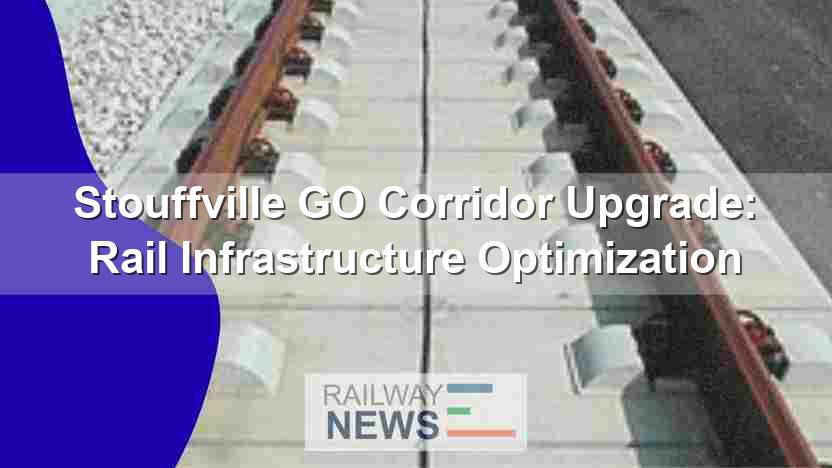
The modern railway industry faces a complex interplay of factors impacting its efficiency and reliability. From aging infrastructure to ever-increasing passenger demand, operators continuously seek innovative solutions to improve service quality and capacity. This article explores the crucial role of infrastructure upgrades in enhancing railway performance, specifically examining the Stouffville GO Corridor Upgrade as a case study. This project highlights the intricate planning, engineering, and operational challenges associated with modernizing existing rail networks while maintaining safe and seamless service continuity. A thorough understanding of these upgrades is critical for other railway operators seeking to enhance their systems and meet the evolving needs of their passengers and freight customers. We will explore the technical aspects, the economic considerations, and the broader implications for the future of public transportation.
The Importance of Strategic Infrastructure Upgrades
Railway infrastructure, including tracks, signaling systems, stations, and rolling stock, is the very backbone of any rail network. Upgrades to this infrastructure are critical for enhancing operational efficiency, improving safety, increasing capacity, and reducing operational costs in the long term. Strategic planning is essential to ensure that upgrades align with long-term growth projections and future needs. For example, increasing train speeds necessitates enhancements to track geometry, signaling technology, and bridge structures. Properly assessing future needs is crucial to avoid costly redundancies or inadequacies down the line.
Analyzing the Stouffville GO Corridor Upgrade
The Stouffville GO Corridor Upgrade presents a valuable case study in modernizing a commuter rail line. This upgrade likely involved several crucial elements, including: track and platform improvements, the installation of advanced signaling systems (e.g., CBTC – Communication-Based Train Control), improved station amenities, and the potential integration of new, higher-capacity rolling stock (e.g., electric multiple-units). Modernization efforts must address not only the physical infrastructure but also the operational protocols and digital systems used to manage the network. This necessitates a holistic approach to integration, considering all components of the railway ecosystem.
Economic and Social Impact of Infrastructure Improvements
Railway infrastructure upgrades invariably carry significant economic implications. These enhancements can stimulate local economies through job creation during construction and ongoing maintenance. Additionally, improved efficiency and service reliability can attract more passengers, boosting ridership and revenue for the transit authority. The positive social impact of these upgrades is also considerable. Increased ridership can reduce traffic congestion on roadways, improve accessibility, and contribute to a cleaner environment. These factors are crucial considerations in justifying the investment required for upgrades.
Conclusion: Optimizing for the Future of Railway Systems
The Stouffville GO Corridor Upgrade exemplifies the multifaceted nature of railway infrastructure improvement. It underscores the need for a detailed, integrated approach encompassing engineering, operational, and economic perspectives. The complexities of modernizing existing rail systems range from ensuring smooth integration of new technology to addressing operational complexities during and after implementation. Additionally, the long-term viability and sustainability of a railway system rely heavily on maintaining a robust maintenance schedule and anticipating future demand. The economic and social impact of such upgrades should be thoroughly analyzed to ensure their long-term benefits outweigh the upfront investment. From a logistical perspective, effective communication and collaboration between stakeholders (government, transit agencies, contractors, and communities) are key to project success and minimizing potential disruptions. Future projects, including the Stouffville GO Corridor Upgrade, should incorporate elements that promote sustainability, adaptability, and resilience.
To summarize, optimizing railway infrastructure is paramount for enhancing passenger experience, operational efficiency, and long-term sustainability. The Stouffville GO Corridor Upgrade, by demonstrating the integrated approach needed to tackle infrastructure renewal, offers valuable insights for railway operators globally. By balancing technological advancements, economic viability, and social impact, rail systems can evolve to meet the growing demands of the 21st century. Successful implementation relies not only on the technical prowess but also on robust planning, clear communication, and unwavering commitment to delivering a quality service for the users.
The analysis of the Stouffville GO Corridor Upgrade highlights the importance of meticulous planning, detailed assessments of future needs, and robust stakeholder involvement for successful infrastructure modernization projects. This case study provides a valuable framework for addressing the complex challenges faced by railway operators globally. These upgrades are not merely infrastructure improvements; they are investments in the future of communities and economies.
You might be interested in:
Last January 2019, we published an article about innovative railway maintenance outsourcing. Click here to read – Alstom & Renfe: €125M Rail Maintenance Deal

Railway infrastructure, rolling stock and transport technologies specialist focused on global rail industry developments, high-speed rail systems, signaling technologies and freight transportation. Covering railway investments, public transport modernization, rail operations and international mobility projects across Europe, Asia and North America.
RELATED POSTS

September 6, 2026 5:19 am
Hitachi delivered Taiwan's first N700ST high-speed train from Japan in...

September 5, 2026 4:19 pm
CPK launched formal tender talks with four consortia to design...

September 5, 2026 7:14 pm
HS2 Ltd signed renegotiated civils contracts with EKFB and Align...

September 6, 2026 4:12 am
Alstom delivered the first of 100 new G Class trams...

September 6, 2026 1:17 am
Hitachi Toshiba Supreme Consortium confirmed the first of 12 N700ST...

September 6, 2026 6:17 am
Hungary ordered a national ban on most freight trains from...