
Shanghai Metro Line 14: Rail Innovation Insights
Revolutionize railway infrastructure! Discover how advanced signaling, sustainable maintenance, and innovative rolling stock boost efficiency and sustainability.
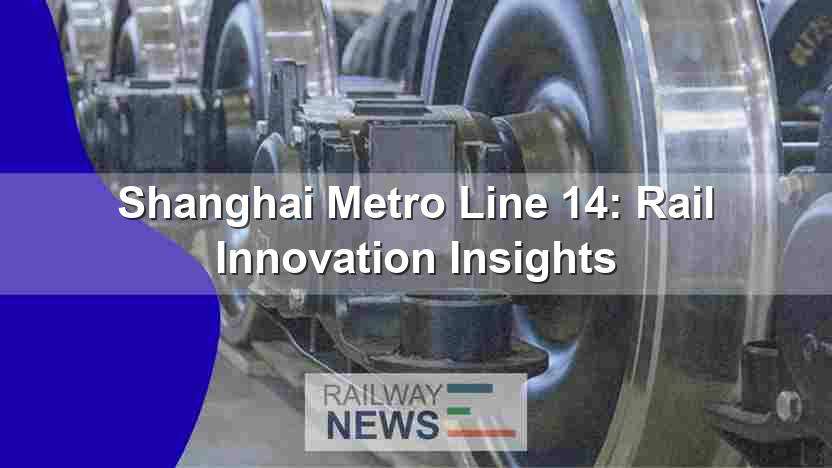
The global railway network faces numerous challenges in the 21st century. Increasing passenger demand, the need for enhanced freight capacity, and the imperative to reduce environmental impact necessitate a detailed reassessment of railway infrastructure design, operation, and maintenance. This article will delve into key aspects of railway optimization, exploring innovative technologies, sustainable practices, and strategic planning approaches vital for ensuring the long-term viability and efficiency of rail systems worldwide. We will examine advancements in signaling systems, track maintenance techniques, and rolling stock design, highlighting their contributions to improved operational efficiency and reduced lifecycle costs. Additionally, the discussion will extend to the crucial role of sustainable materials and energy-efficient operations in minimizing the environmental footprint of railway networks. Specific examples, including the complexities of large-scale urban rail projects such as Shanghai Metro Line 14, will illustrate the practical applications of these concepts and the challenges inherent in their implementation. Finally, we will consider future trends and their implications for the future of railway infrastructure development.
Advanced Signaling and Control Systems
Modern signaling systems are crucial for optimizing railway operations. The transition from legacy systems to Computer-Based Train Control (CBTC) and other advanced technologies significantly enhances safety, capacity, and efficiency. CBTC, for instance, allows for much shorter headways (the minimum distance between trains) leading to increased train frequency and passenger throughput. This technology enables precise train control, reducing delays caused by human error and improving overall punctuality. Additionally, the integration of Automatic Train Protection (ATP) systems ensures heightened safety by automatically implementing braking measures in case of potential collisions or overspeeding. These advancements not only improve the passenger experience but also contribute to higher operational efficiency by maximizing track utilization.
Sustainable Track Maintenance and Renewal
Efficient track maintenance is paramount for ensuring the safety and reliability of railway operations. Traditional track maintenance practices are often labor-intensive and disruptive. The adoption of innovative technologies such as laser-guided track geometry measurement systems and predictive maintenance algorithms significantly improves maintenance efficiency. These systems allow for early detection of track defects, enabling proactive interventions before they escalate into major problems. This proactive approach minimizes unplanned downtime, reduces maintenance costs, and prolongs the lifespan of track infrastructure. Additionally, the utilization of sustainable materials, such as recycled aggregates in ballast production, contributes to environmental sustainability and reduces the overall environmental footprint of railway operations.
Rolling Stock Innovations for Enhanced Efficiency
The design and operation of rolling stock significantly impact the overall efficiency of a railway system. Lightweight materials, advanced braking systems, and energy-efficient propulsion technologies contribute to improved fuel efficiency and reduced emissions. The adoption of regenerative braking systems, which recapture kinetic energy during braking and feed it back into the power grid, further enhances energy efficiency. Moreover, advancements in train design, such as aerodynamic optimization, minimize energy consumption during operation. These innovations not only reduce operating costs but also contribute to a more sustainable railway system.
Strategic Planning and Integration for Urban Rail Networks
The successful implementation of large-scale urban rail projects, such as the Shanghai Metro Line 14, necessitates meticulous strategic planning and seamless integration with existing infrastructure. Effective route planning, optimized station design, and efficient passenger flow management are crucial for maximizing the effectiveness of a new line. Thorough consideration of land use planning and integration with other modes of transportation are also vital. The integration of smart ticketing systems and real-time passenger information displays enhance the overall passenger experience. Careful consideration of environmental impacts during the planning and construction phases is also essential, and minimizing disruption during construction is critical for maintaining public trust and ensuring the project’s long-term success.
Conclusions
Optimizing railway infrastructure requires a holistic approach that encompasses technological advancements, sustainable practices, and strategic planning. The integration of advanced signaling and control systems, such as CBTC and ATP, significantly enhances safety, capacity, and efficiency. Innovative track maintenance techniques, including predictive maintenance and the use of sustainable materials, contribute to reduced costs and environmental impact. Advancements in rolling stock design, focusing on lightweight materials and energy-efficient propulsion, further improve operational efficiency and minimize environmental footprint. The successful implementation of large-scale urban rail projects, as exemplified by the Shanghai Metro Line 14, depends on meticulous strategic planning and seamless integration with existing infrastructure. Looking ahead, the future of railway infrastructure will be shaped by continued technological advancements, a growing emphasis on sustainability, and the integration of smart technologies to enhance the passenger experience and operational efficiency. The ongoing development and implementation of these strategies are crucial to ensuring the continued growth and sustainability of railway systems globally, facilitating efficient transportation and contributing to a more environmentally responsible future. The challenges are substantial, demanding innovative solutions and collaborative efforts across the entire railway industry to deliver efficient, safe, and sustainable rail networks worldwide.
You might be interested in:
Last May 2019, we published an article about New Zealand’s $651 million railway investment and its modernization plans. Click here to read – NZ’s $651M Rail Revolution: Modernization & Growth

Railway infrastructure, rolling stock and transport technologies specialist focused on global rail industry developments, high-speed rail systems, signaling technologies and freight transportation. Covering railway investments, public transport modernization, rail operations and international mobility projects across Europe, Asia and North America.
RELATED POSTS

September 6, 2026 5:19 am
Hitachi delivered Taiwan's first N700ST high-speed train from Japan in...

September 5, 2026 4:19 pm
CPK launched formal tender talks with four consortia to design...

September 5, 2026 7:14 pm
HS2 Ltd signed renegotiated civils contracts with EKFB and Align...

September 6, 2026 4:12 am
Alstom delivered the first of 100 new G Class trams...

September 6, 2026 6:17 am
Hungary ordered a national ban on most freight trains from...

September 6, 2026 1:17 am
Hitachi Toshiba Supreme Consortium confirmed the first of 12 N700ST...